The Lezgins: An Ancient Caucasian People Defined by Their Eagle Totem and Independence
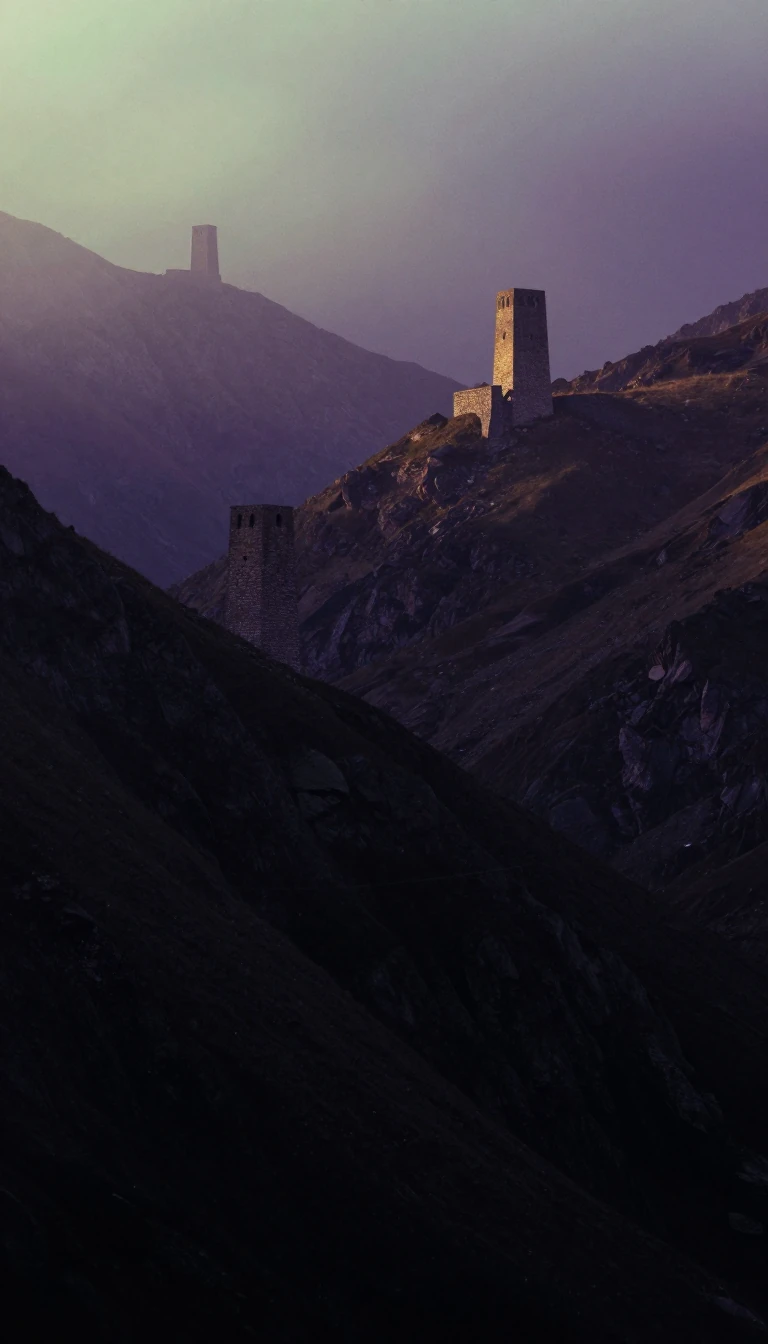
In short: Straddling the border of Russia and Azerbaijan, the Lezgins are a Northeast Caucasian ethnic group with a history of fierce autonomy. Their culture, centered on the eagle as a national symbol, emphasizes equality, individual honor, and a deep-seated resistance to coercion that has shaped their identity for over two millennia.
The Lezgins, whose name may derive from the word for eagle, 'Lek', have inhabited the basin of the Samur River since antiquity. Historical records from Strabo and Herodotus identify their ancestors as the Legoi, who lived within the ancient state of Caucasian Albania. Throughout history, this region served as a strategic crossroads, subjected to the influence of the Achaemenid Empire, Parthian rule, and Sassanid Persia. This constant exposure to outside powers, combined with the rugged, isolated terrain of the Greater Caucasus, fostered a resilient national character governed by 'Lezgiwal'—an unwritten code of honor emphasizing generosity, moral conduct, and the protection of women.
Socially, the Lezgins are organized into 'djamaat', or unions of clans, which are further divided into 'syhils'. This egalitarian structure historically prioritized local autonomy, with village life managed by a 'Kim', a gathering of male residents. While the Lezgins are predominantly Muslim, their religious practice is often blended with pre-Islamic traditions, such as the celebration of Yaran Suvar. Their cultural identity is also expressed through the 'Lezgin' dance, where the male dancer mimics the movements of an eagle, while the female dancer performs with the grace of a swan.
In the modern era, the Lezgins have faced significant geopolitical challenges. The 1994 closure of the border between Russia and Azerbaijan, prompted by the First Chechen War, physically divided the community for the first time. This separation has fueled political movements like 'Sadval', which has historically advocated for greater rights and, at times, the unification of Lezgin-populated territories. Today, the population faces issues of underrepresentation and economic hardship, with many Lezgins in Azerbaijan feeling pressured to assimilate into the broader Azeri identity to avoid discrimination in employment and education, leading to significant discrepancies between official census figures and community estimates.
Opens the Intellect+ feed with this card first. Swipe up for the next one.
Sources
- Summary by Intellect · source: Lezgins
To cite this card, link to https://intellectplus.co.uk/app/culture-lezgins.
How we source, check and correct cards: Editorial standards.
General information, not professional advice. Spotted an error? Flag the card or see corrections and complaints.
Intellect Plus is a visual educational discovery platform for exploring fascinating facts and ideas. Brain Food, Not Brain Rot. What is Intellect Plus?
Related
More in Peoples & civilisations · More in Cultures · Latest · A–Z · All topics
