How the British Liberal Party built a welfare state before its own sudden collapse
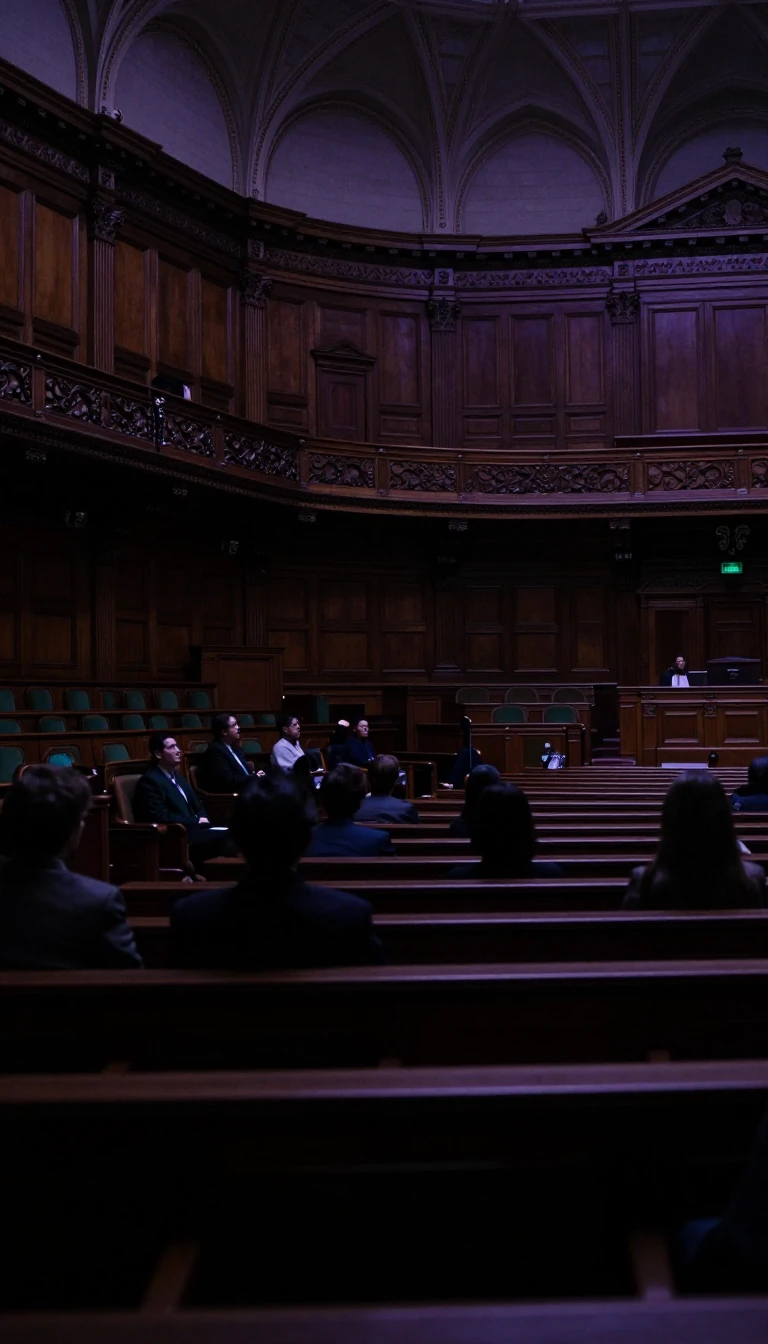
In short: Once a titan of British politics, the Liberal Party transformed from an aristocratic alliance into the architect of the modern welfare state. Yet, internal fractures and the rise of Labour triggered a catastrophic decline, turning a landslide-winning powerhouse into a political relic within just two decades of its greatest triumph.
The Liberal Party emerged in the mid-19th century as a coalition of Whigs, Radicals, and Peelites, formally coalescing in 1859. Under the long-standing leadership of William Ewart Gladstone, the party championed laissez-faire economics, balanced budgets, and free trade. Gladstone, a dominant figure for thirty years, sought to remove religious and political barriers, though his moralistic approach and commitment to Irish Home Rule eventually alienated the party's aristocratic base and split its membership.
By the early 20th century, the party underwent a profound ideological shift known as New Liberalism. Intellectuals like L. T. Hobhouse and John A. Hobson argued that true individual liberty required state intervention to combat poverty and unemployment. This pivot culminated in the 1906 landslide victory, where the government of Henry Campbell-Bannerman and H. H. Asquith introduced landmark reforms. David Lloyd George, as Chancellor, championed the 1909 People's Budget, which redistributed wealth to fund pensions and national insurance, laying the structural foundations for the British welfare state.
Despite these achievements, the party was inherently unstable, plagued by contradictory factions ranging from imperialists to near-socialists. The strain of the First World War and a bitter leadership rift between Asquith and Lloyd George shattered the party's unity. As the Labour Party successfully courted the working-class vote, the Liberal share of the popular vote plummeted from 49% in 1906 to 18% by 1924. The party's influence continued to wane throughout the 20th century, leading to its eventual merger with the Social Democratic Party in 1988 to form what is now the Liberal Democrats.
Opens the Intellect+ feed with this card first. Swipe up for the next one.
Sources
- Summary by Intellect · source: Liberal Party (UK)
To cite this card, link to https://intellectplus.co.uk/app/culture-liberal-party-uk.
How we source, check and correct cards: Editorial standards.
General information, not professional advice. Spotted an error? Flag the card or see corrections and complaints.
Intellect Plus is a visual educational discovery platform for exploring fascinating facts and ideas. Brain Food, Not Brain Rot. What is Intellect Plus?
Related
More in Languages · More in Cultures · Latest · A–Z · All topics
