Why the world's tallest buildings are often defined by a secret spire
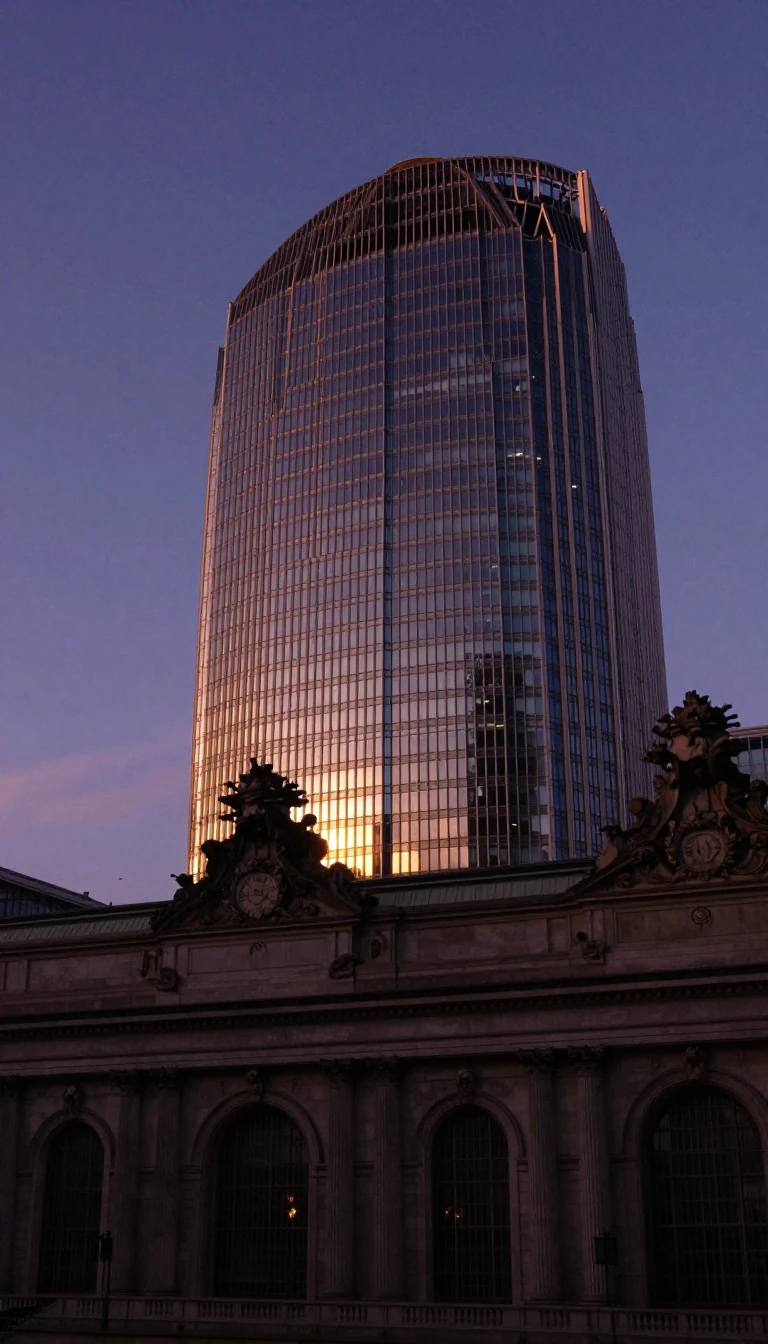
In short: Defining the world's tallest building is surprisingly subjective. Since 1969, the Council on Vertical Urbanism has set the standards, but historical rivalries—like the 1930 race between the Chrysler Building and 40 Wall Street—reveal that the title often hinges on whether a spire is considered architectural or merely ornamental.
The quest for height is rarely just about the highest floor. In 1930, the Chrysler Building secured the title of world's tallest by secretly assembling a 38-meter spire inside its frame, allowing it to reach 319 meters. This move infuriated the architects of 40 Wall Street, who argued their building was superior because it contained the world's highest usable floor at 255 meters. This tension highlights a recurring debate: should height be measured to the highest occupied floor, or to the top of an architectural feature?
Modern standards, managed by the Council on Vertical Urbanism, attempt to bring order to these disputes. Since 1996, the Council has categorized buildings by their architectural top, highest occupied floor, and absolute pinnacle. Spires are counted as integral architectural elements, while antennas are not. This distinction famously allowed the Petronas Towers to surpass the Willis Tower in the 1990s, despite the Willis Tower having a higher roof and a higher absolute pinnacle.
Today, the Burj Khalifa stands as the undisputed tallest at 828 meters, leading by every metric. However, the landscape of supertall buildings is shifting rapidly. As of 2026, there are 98 completed or topped-out buildings reaching at least 350 meters, with nearly half located in China. The list remains a fluid record of engineering ambition, where the definition of a building itself excludes non-occupiable structures like radio towers, ensuring the title remains a contest of human-inhabited space.
Opens the Intellect+ feed with this card first. Swipe up for the next one.
Sources
- Summary by Intellect · source: List of tallest buildings
To cite this card, link to https://intellectplus.co.uk/app/culture-list-of-tallest-buildings.
How we source, check and correct cards: Editorial standards.
General information, not professional advice. Spotted an error? Flag the card or see corrections and complaints.
Intellect Plus is a visual educational discovery platform for exploring fascinating facts and ideas. Brain Food, Not Brain Rot. What is Intellect Plus?
Related
More in US culture · More in Cultures · Latest · A–Z · All topics
