Why humanity's obsession with reaching the sky has shifted from pyramids to steel towers
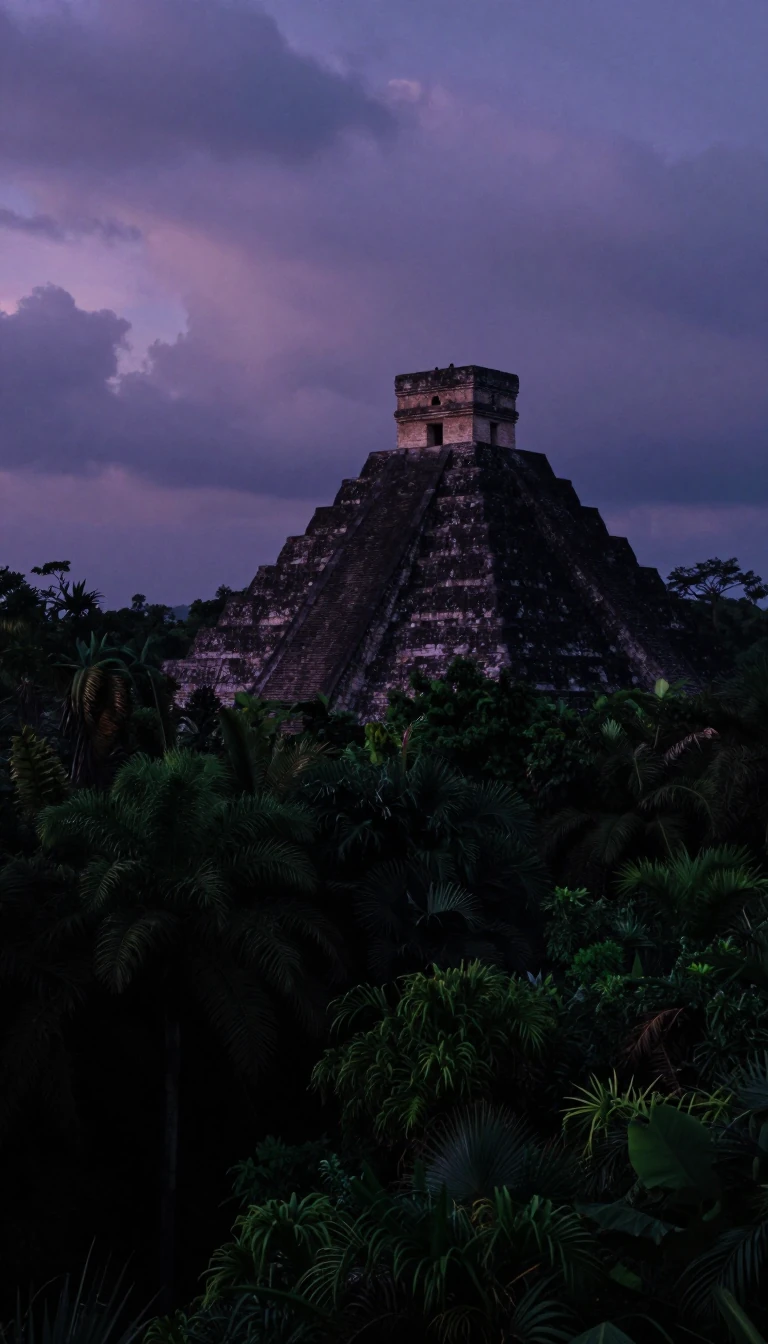
In short: For millennia, the race to build the world's tallest structure was driven by religion and pharaonic power. From the Great Pyramid of Giza to the spires of Gothic cathedrals, our vertical ambitions have evolved from stone monuments to steel skyscrapers, reflecting changing human priorities from the divine to the commercial.
The quest for height began over 4,500 years ago with the Great Pyramid of Giza, built for the pharaoh Khufu. Standing at 455 feet, it held the record for nearly four millennia. During this vast period, its only significant rival was the Lighthouse of Alexandria, which reached about 350 feet before collapsing. The pyramid’s dominance was eventually challenged by the rise of European Gothic cathedrals, which utilized engineering innovations like flying buttresses to reach toward heaven.
By 1311, Lincoln Cathedral in England claimed the title at 525 feet, marking the start of an era dominated by competing Christian churches. This religious monopoly on height lasted until the late 19th century. The Washington Monument, completed in 1884 at 555.4 feet, shifted the focus toward nationalistic pride. Built without mortar, it relies entirely on the weight of its stones and friction. Shortly after, the Eiffel Tower introduced a new era of engineering in 1889, reaching 1,024 feet with its latticed iron design.
The transition to modern skyscrapers was solidified by the Chrysler Building in 1929, which stood at 1,046 feet. This shift highlights a move toward commercial and architectural prestige. Defining the 'tallest' remains complex, as organizations like the Council on Tall Buildings and Urban Habitat must navigate debates over habitable floor space, antennas, and whether structures like guyed masts or underwater platforms should be included in official rankings.
Today, the definition of a building is strictly contested. The Council requires that at least 50% of a structure's height consist of habitable floor area to be certified as a building. This distinction separates true skyscrapers from observation towers or communication masts, ensuring that the title of 'world's tallest' reflects human occupancy rather than mere structural reach.
Opens the Intellect+ feed with this card first. Swipe up for the next one.
Sources
- Summary by Intellect · source: The Never-Ending Race to Build the World’s Tallest Structure
- Also: History of the world's tallest structures
To cite this card, link to https://intellectplus.co.uk/app/places-history-of-the-world-s-tallest-structures.
How we source, check and correct cards: Editorial standards.
General information, not professional advice. Spotted an error? Flag the card or see corrections and complaints.
Intellect Plus is a visual educational discovery platform for exploring fascinating facts and ideas. Brain Food, Not Brain Rot. What is Intellect Plus?
Related
More in Famous landmarks · More in Countries & Cities · Latest · A–Z · All topics
