How MGMT found their way back to pop after a creative dark age
In short: After years of struggling to recapture the magic of their debut, MGMT hit a wall. It took a producer, a dose of LSD, and the shock of a presidential election to break their creative paralysis. The result was Little Dark Age, a record that balanced pop hooks with genuine existential dread.
Following the release of their self-titled 2013 album, Andrew VanWyngarden and Ben Goldwasser retreated from the spotlight. By 2014, the duo had concluded their touring cycle and moved to separate coasts, with VanWyngarden settling in Rockaway Beach and Goldwasser in Los Angeles. When they regrouped in late 2015, they initially attempted to replicate the disciplined songwriting method of their 2007 debut, Oracular Spectacular. However, the sessions proved unproductive, leaving the band stuck in a cycle of indecision.
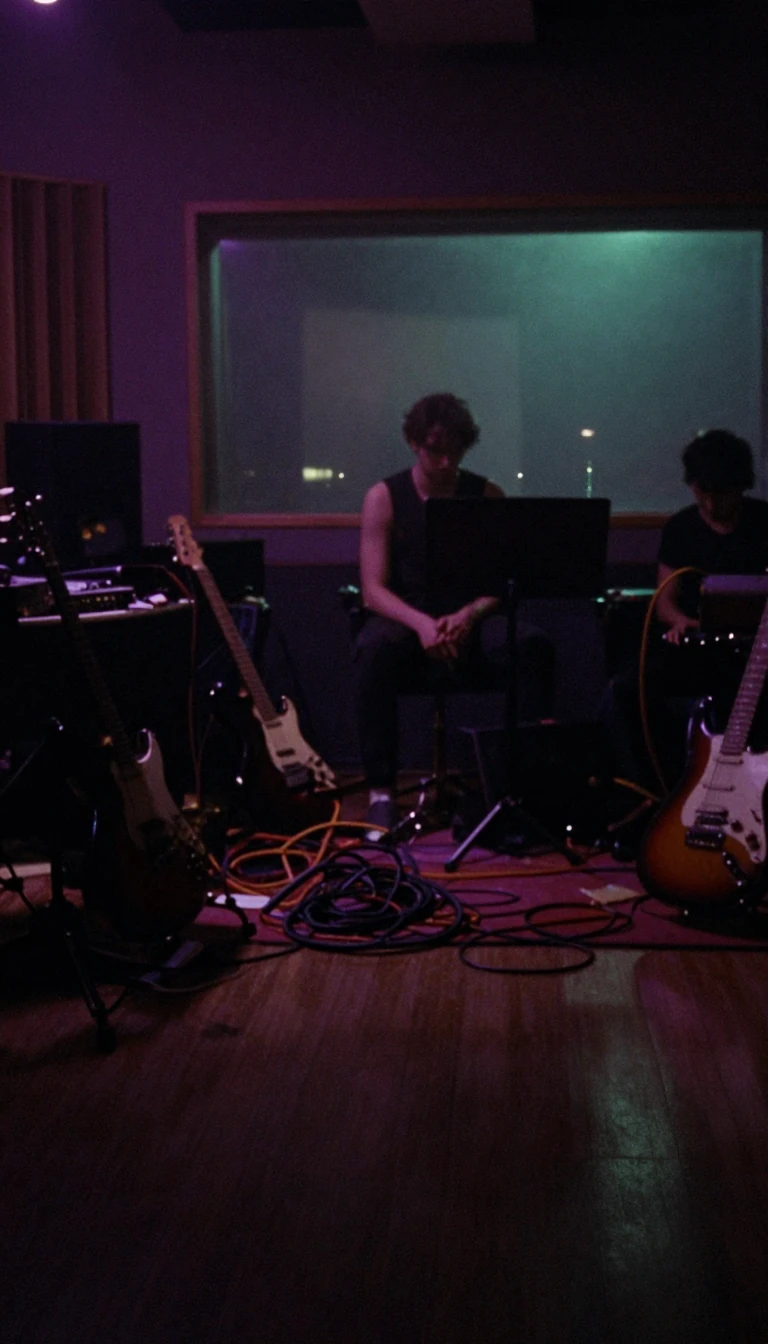
The breakthrough arrived with the help of producer Patrick Wimberly. He encouraged the duo to abandon their insular process and open their studio to collaborators, including Ariel Pink and Connan Mockasin. This shift toward spontaneity—exemplified by Pink writing lyrics in minutes—helped the band move past the perfectionism that had stalled their progress. By late 2016, they moved to Tarbox Road Studios to work with longtime collaborator Dave Fridmann. The recording process was heavily influenced by the 2016 United States presidential election, which shifted the band's focus from abstract creative questions to expressing their immediate, often frustrated, emotional state.
Released in February 2018, Little Dark Age was widely seen by critics as a return to the band's pop roots. While some reviewers, such as those at Spin and AllMusic, felt the album lacked a cohesive direction, others praised its addictive, off-kilter melodies. The album's aesthetic was as eclectic as its production, featuring cover art by Jim Taber and a gatefold illustration by Swiss artist Aloïse Corbaz, who began her work while institutionalized for schizophrenia in 1920. Ultimately, the band viewed the album's title as a hopeful sentiment, a small, temporary darkness that they hoped to transcend with the final track, Hand It Over.
The album's reception was generally favorable, holding a score of 77 on Metacritic based on 24 reviews. It peaked at No. 35 on the Billboard 200, marking a significant return for a band that had spent four years away from new material. By embracing the chaos of the moment rather than fighting it, MGMT managed to navigate their own creative crisis and reconnect with the pop sensibilities that first defined their career.
Opens the Intellect+ feed with this card first. Swipe up for the next one.
Sources
- Summary by Intellect · source: Little Dark Age
To cite this card, link to https://intellectplus.co.uk/app/culture-little-dark-age.
How we source, check and correct cards: Editorial standards.
General information, not professional advice. Spotted an error? Flag the card or see corrections and complaints.
Intellect Plus is a visual educational discovery platform for exploring fascinating facts and ideas. Brain Food, Not Brain Rot. What is Intellect Plus?
Related
More in UK & Irish culture · More in Cultures · Latest · A–Z · All topics
