Münster: From apocalyptic Anabaptist rebellion to Germany's modern bicycle capital
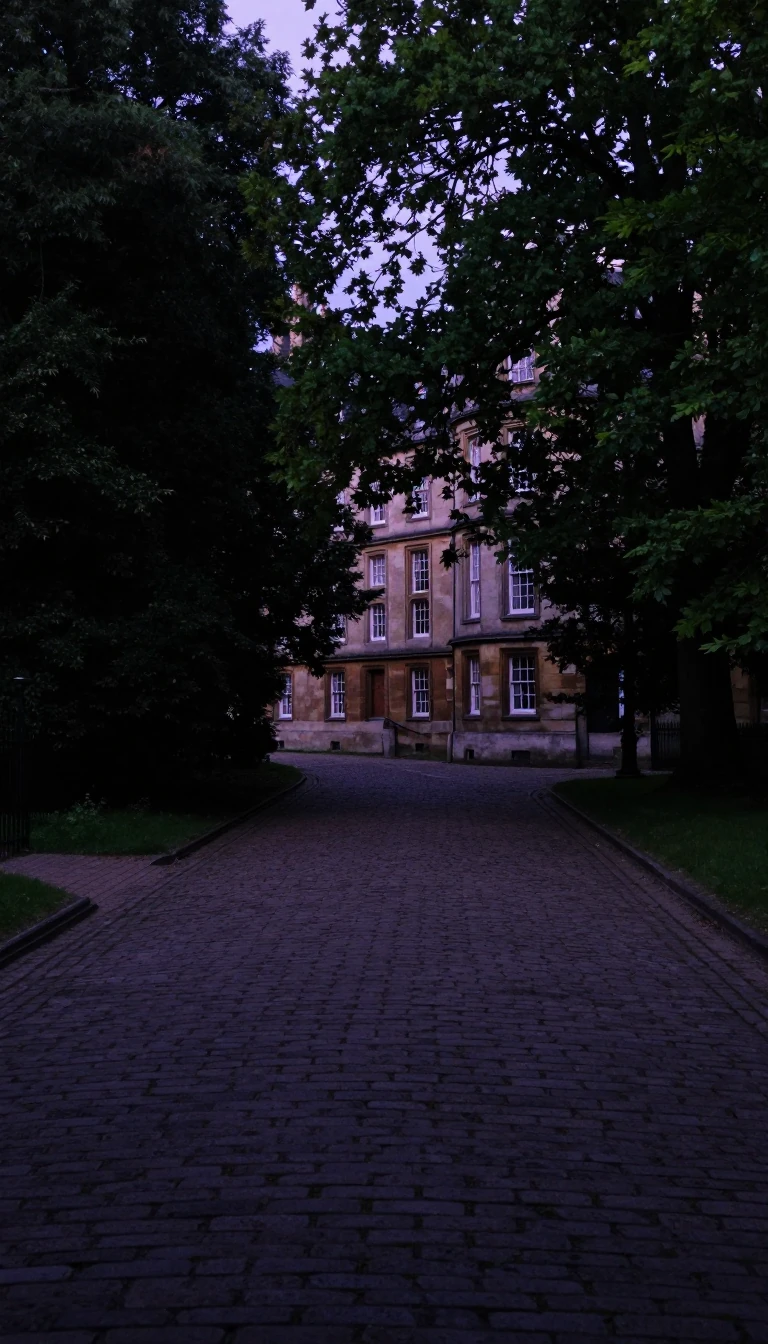
In short: Münster is a city of striking contradictions. Once the site of a radical 16th-century proto-socialist uprising where citizens were forced to live naked, it is now a peaceful, bicycle-friendly university hub. Beyond its turbulent history, this historic Westphalian capital remains a major center for education, research, and regional administration.
Founded as a missionary outpost by Ludger in 797, Münster evolved into a significant episcopal and administrative center. By the Middle Ages, it was a prominent member of the Hanseatic League. Its history is marked by intense religious and political shifts, most notably the 1534 Anabaptist rebellion. Led by John of Leiden, the sect established a 'New Jerusalem,' seizing property and burning books in anticipation of the Second Coming. The rebellion ended in 1535 with the execution of its leaders, whose remains were displayed in metal baskets still visible on St. Lambert's Church today.
The city’s strategic importance was cemented in 1648 when it hosted the signing of the Treaties of Westphalia, ending the Thirty Years' War. Centuries later, during World War II, Münster served as a major military headquarters for the Wehrmacht. The city suffered immense destruction, with Allied air raids obliterating 91 percent of the Old City. Despite this, the post-war era saw a dedicated effort to rebuild, with the Old City restored to its pre-war appearance in the 1950s.
Today, Münster is defined by its massive student population and its status as Germany's bicycle capital. With about 40,000 students enrolled at the University of Münster, the city maintains a youthful, academic character. While it is often perceived as a rainy city, this reputation stems from frequent light showers rather than high annual rainfall totals. Modern Münster balances its deep historical roots—including its baroque palaces and merchant townhouses—with a robust service economy and a commitment to livability that earned it the LivCom-Award in 2004.
Opens the Intellect+ feed with this card first. Swipe up for the next one.
Sources
- Summary by Intellect · source: Münster
To cite this card, link to https://intellectplus.co.uk/app/culture-m-nster.
How we source, check and correct cards: Editorial standards.
General information, not professional advice. Spotted an error? Flag the card or see corrections and complaints.
Intellect Plus is a visual educational discovery platform for exploring fascinating facts and ideas. Brain Food, Not Brain Rot. What is Intellect Plus?
Related
More in Culture · More in Cultures · Latest · A–Z · All topics
