Vietnam's complex tapestry of fifty-four officially recognized ethnic groups
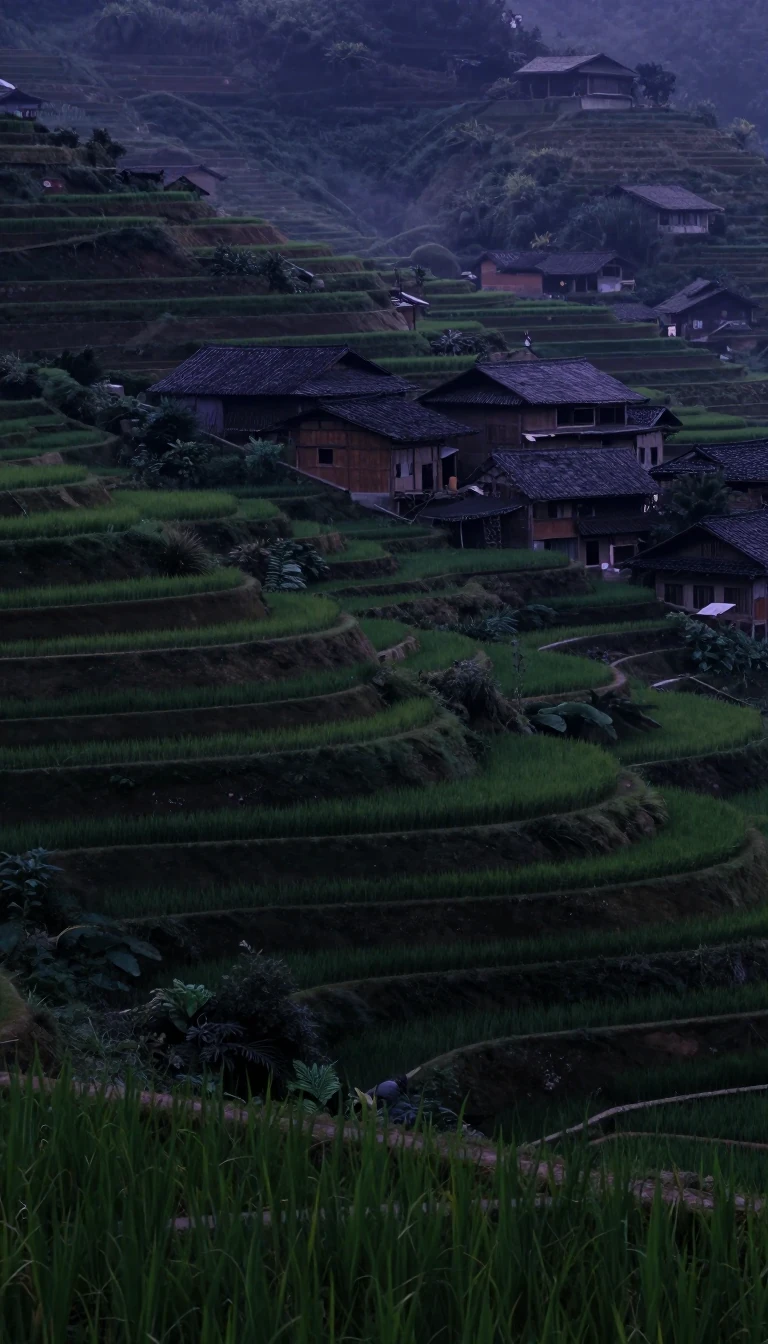
In short: Vietnam possesses one of Asia's most intricate ethnolinguistic landscapes. While the Kinh majority dominates, the nation is home to dozens of distinct cultures, each defined by unique languages and traditions. From the Sinicized influences of the north to the Indianized legacies of the south, the country's identity is deeply layered.
The Vietnamese government has officially recognized fifty-four ethnic groups in the country since March 2, 1979. The demographic landscape is heavily weighted toward the Kinh (Viet) people, who made up 85.32% of the population according to the 2019 census. Following the Kinh, the Tày people represent the largest minority at 1.92%, followed closely by the Thái at 1.89% and the Mường at 1.51%. Other significant minorities include the Hmong, Khmer, Nùng, and Dao. These groups, along with the Hoa, constitute the remaining portion of the national population.
Linguistic and cultural influences vary significantly by region and history. The Vietnamese majority underwent significant Sinicization during a millennium of Chinese rule that concluded in 939 CE. In contrast, Indian influence is most prominent among the Cham and Khmer minorities. The Cham once formed the majority in the Indianized kingdom of Champa, which occupied central Vietnam from the 2nd century to the late 15th century CE. The Cham people continue to reside within the south-central coastal plains and the Mekong delta. Meanwhile, the Khmer population is widely distributed throughout the Mekong delta region.
Identity and classification can sometimes be fluid or subject to ongoing research. For example, the Pa Kô group, found in the A Lưới and Hướng Hóa areas, has been classified as part of the Tà Ôi group, though local authorities have called for further research into them. Likewise, the Nguồn—potentially linked to the Mường—consider themselves part of the Việt (Kinh) ethnic group, despite official government classification as such. Highland communities are often referred to collectively by Westerners as Montagnards or Degar. These mountain-dwelling groups are frequently noted for their vibrant and colourful traditional attire.
Opens the Intellect+ feed with this card first. Swipe up for the next one.
Sources
- Summary by Intellect · source: Vietnam - Ethnic Groups | Britannica
- Also: List of ethnic groups in Vietnam
To cite this card, link to https://intellectplus.co.uk/app/culture-list-of-ethnic-groups-in-vietnam.
How we source, check and correct cards: Editorial standards.
General information, not professional advice. Spotted an error? Flag the card or see corrections and complaints.
Intellect Plus is a visual educational discovery platform for exploring fascinating facts and ideas. Brain Food, Not Brain Rot. What is Intellect Plus?
Related
More in Culture · More in Cultures · Latest · A–Z · All topics
