The Jewish diaspora that survived empires, inquisitions, and forced migrations
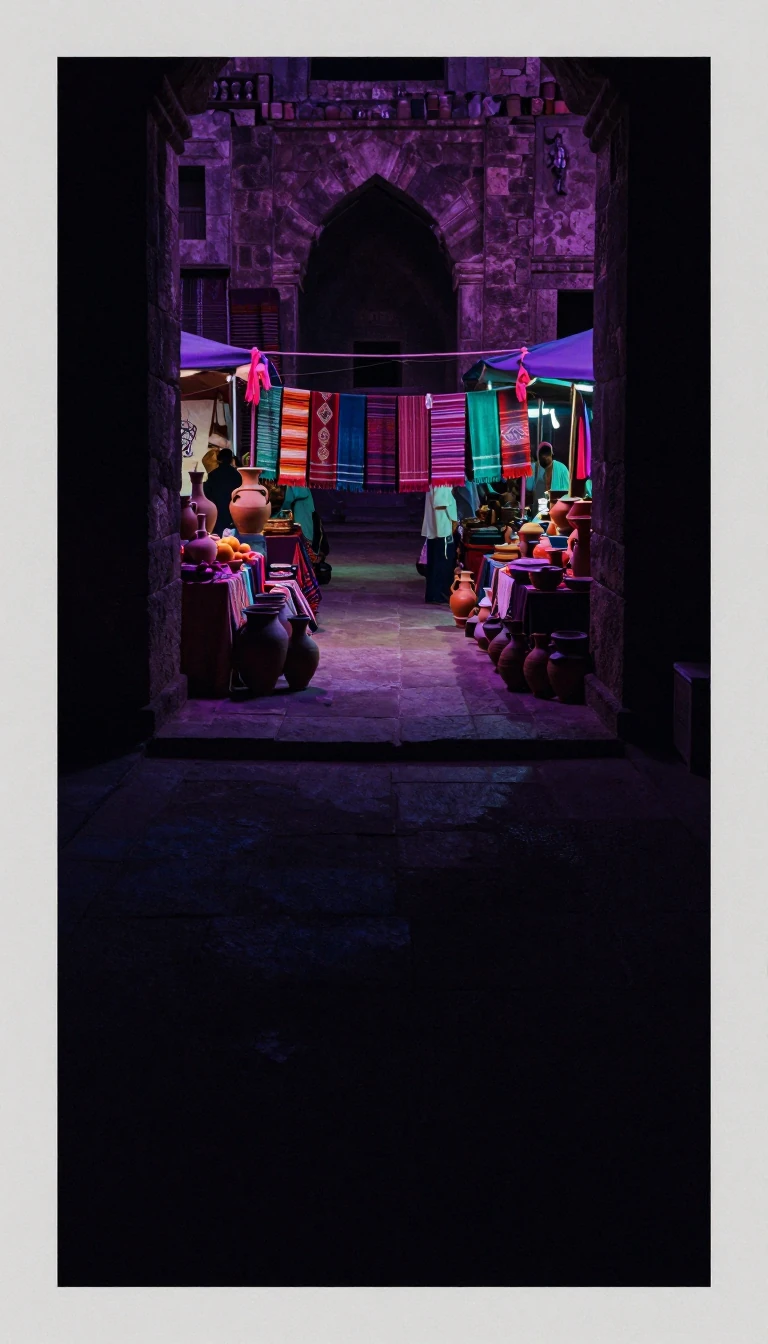
In short: For over 2,000 years, Maghrebi Jews have woven themselves into the fabric of North Africa. From Roman-era settlements to fleeing the Spanish Inquisition, their history is a masterclass in cultural synthesis—blending indigenous traditions with Sephardic scholarship to create one of the world's most resilient diaspora identities.
The roots of Maghrebi Jewry stretch back to antiquity. Evidence suggests Jewish communities existed as early as 361 BCE in Ifran, Morocco, and by the 3rd century BCE in Cyrenaica (modern Libya). These early settlements were shaped by diverse forces: Ptolemy I resettled Jews in Cyrene to secure his kingdom, while the Roman General Titus deported many Jews to Mauretania after the First Jewish–Roman War in 70 CE. By the 2nd century CE, inscriptions in Carthage and a necropolis at Gammarth confirm a substantial presence during the Roman period.
The demographic landscape shifted dramatically following the Muslim conquests and the subsequent arrival of Sephardic Jews from the Iberian Peninsula. While local 'Toshavim' (indigenous) communities were already established, waves of refugees fleeing the 1492 expulsion and the Spanish Inquisition began to dominate communal life in cities like Fez and Tétouan. These newcomers brought a scholarly and mercantile elite status that eventually merged with existing traditions. This synthesis was so profound that by many accounts, Maghrebi Jews largely adopted a Sephardic identity over centuries of coexistence under various dynasties.
The 20th century marked a period of rapid decline and exodus. On the eve of World War II, approximately 400,000 Jews lived across the Maghreb. However, the combination of Vichy-French persecution in Morocco, German occupation in Tunisia (1942–1943), and the post-1948 rise of anti-Jewish sentiment led to a mass migration. Today, while only about 3,000 Jews remain in Morocco and Tunisia combined, their descendants form a major part of the global Jewish population, primarily residing in France, Canada, Israel, and Venezuela.
This history is not just one of survival but of complex integration. Maghrebi Jews navigated periods of prosperity under tolerant Berber dynasties like the Merinids, contrasted with severe persecution under the Almohads. Their story highlights a unique 'push-pull' dynamic: fleeing religious violence in Europe while seeking refuge in North African urban centers that had already been Jewish homes for millennia.
Opens the Intellect+ feed with this card first. Swipe up for the next one.
Sources
- Summary by Intellect · source: Maghrebi Jews
To cite this card, link to https://intellectplus.co.uk/app/culture-maghrebi-jews.
How we source, check and correct cards: Editorial standards.
General information, not professional advice. Spotted an error? Flag the card or see corrections and complaints.
Intellect Plus is a visual educational discovery platform for exploring fascinating facts and ideas. Brain Food, Not Brain Rot. What is Intellect Plus?
Related
More in US culture · More in Cultures · Latest · A–Z · All topics
