The lost language of Mediterranean pirates, traders, and slaves that bridged two worlds
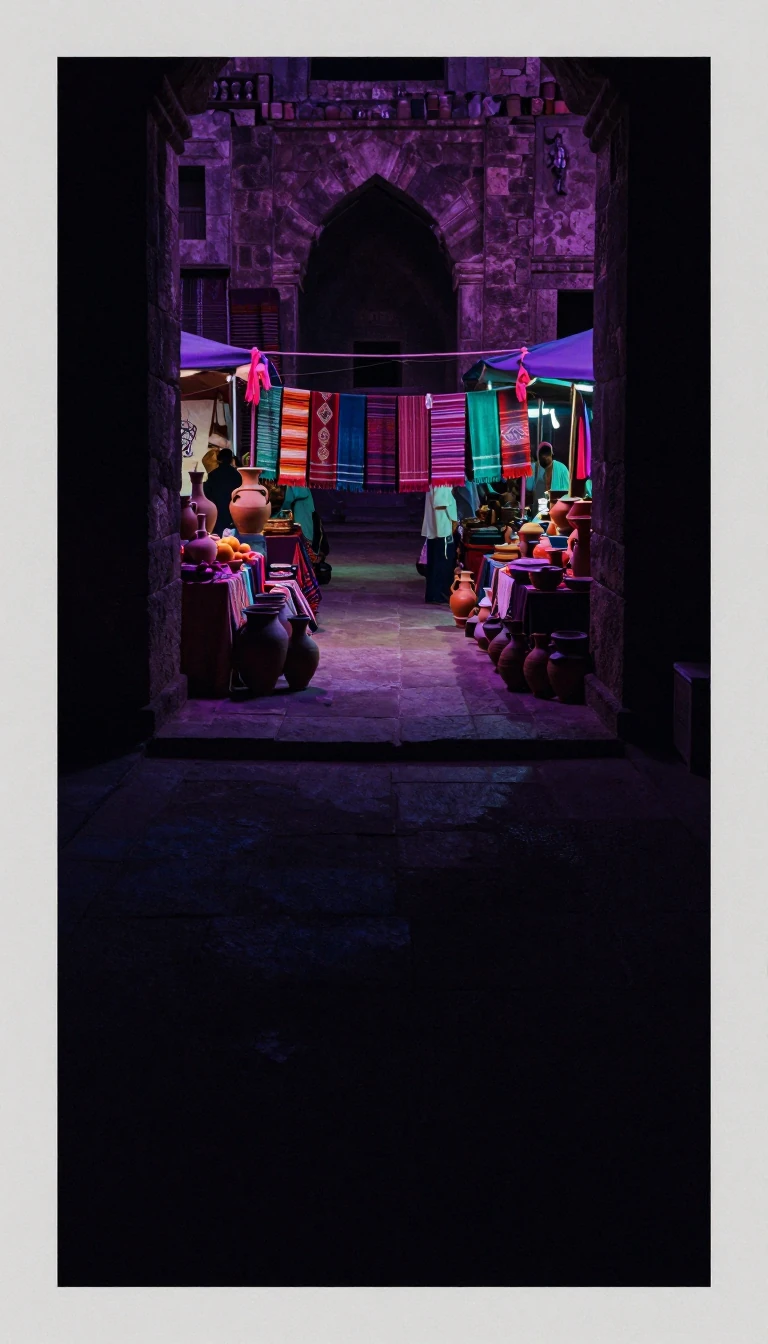
In short: For eight centuries, a mysterious contact language known as Sabir allowed merchants, crusaders, and captives to communicate across the Mediterranean. This hybrid tongue, born from Italian, Spanish, and Arabic, served as the essential bridge for commerce and diplomacy until it faded into the shadows of modern history.
From the 11th to the 19th centuries, the Mediterranean Lingua Franca—or Sabir—functioned as a vital tool for interaction across the basin. Initially rooted in Northern Italian dialects like Venetian and Genoese, the language evolved to incorporate Spanish, Portuguese, and Occitano-Romance elements. As it spread, it absorbed vocabulary from Arabic, Turkish, Greek, and Tamazight, creating a flexible, simplified medium for those operating in diverse environments, from trading colonies to the bagnios of precolonial Algiers.
The language’s structure was notably minimalist, utilizing the infinitive for all verb forms and reducing vowel space, a feature reminiscent of Arabic. Because it was a pidgin, its vocabulary was limited, with only a few hundred words recorded today. This scarcity, combined with the fact that the language is not well attested, makes it a subject of ongoing debate. While officially classified as a pidgin, some scholars argue it is more accurately viewed as an interlanguage of Italian.
The legacy of Lingua Franca extends beyond its own era. Hugo Schuchardt, the first scholar to study it systematically, proposed that it influenced the development of various European-based pidgins and creoles globally. He suggested that Mediterranean sailors carried a version of this language to Africa, Asia, and the Americas, where it mixed with local tongues. Traces of this linguistic history persist in modern Algerian slang, Polari, and even in geographical markers like Cape Guardafui, which translates to 'Cape Look and Escape' in the old Lingua Franca.
In its final stages, particularly in 19th-century Algeria, the language became heavily gallicised. It reached a point where locals believed they were speaking French, while Frenchmen assumed they were conversing in Arabic. This unique hybridity highlights the fluid nature of communication in the Mediterranean, where language was not just a static set of rules, but a living, changing tool of survival and exchange.
Opens the Intellect+ feed with this card first. Swipe up for the next one.
Sources
- Summary by Intellect · source: Mediterranean Lingua Franca
To cite this card, link to https://intellectplus.co.uk/app/culture-mediterranean-lingua-franca.
How we source, check and correct cards: Editorial standards.
General information, not professional advice. Spotted an error? Flag the card or see corrections and complaints.
Intellect Plus is a visual educational discovery platform for exploring fascinating facts and ideas. Brain Food, Not Brain Rot. What is Intellect Plus?
Related
More in Languages · More in Cultures · Latest · A–Z · All topics
