Is the Mexican identity a biological reality or a carefully constructed national project?
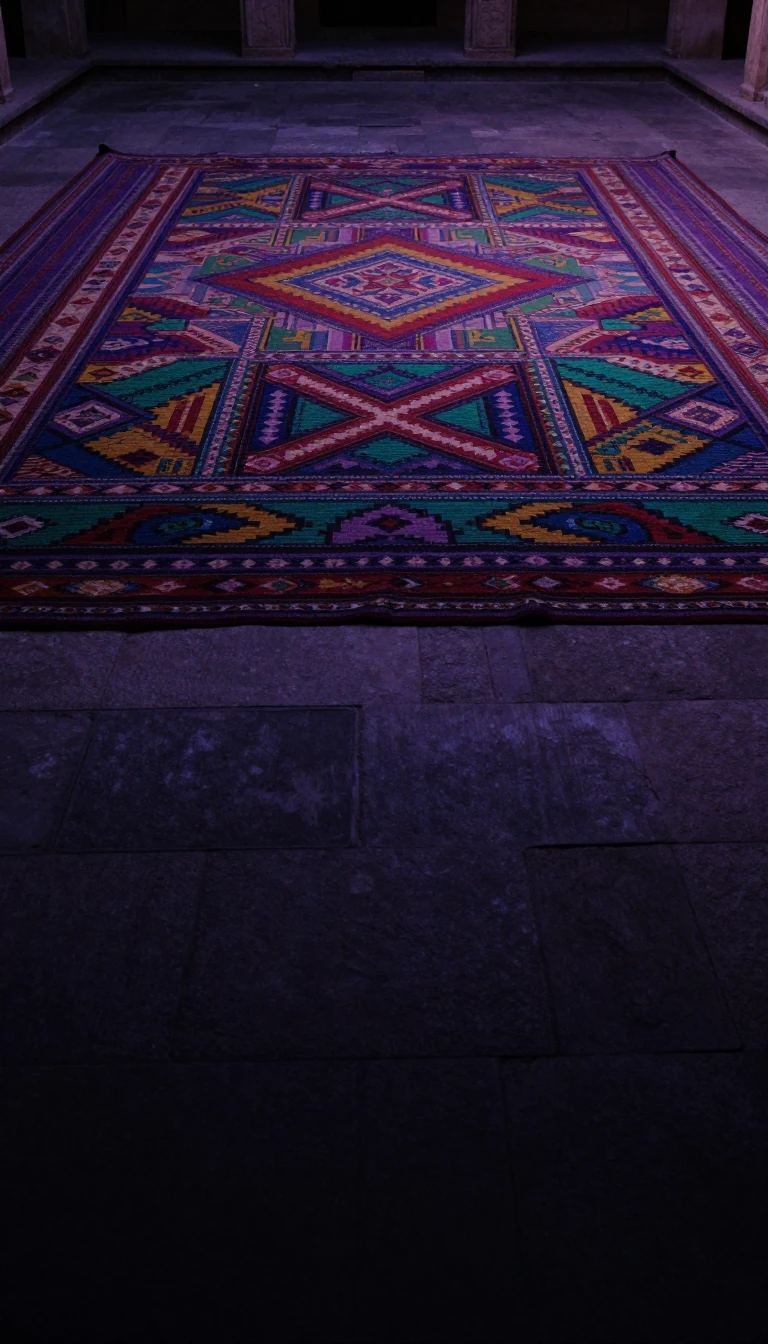
In short: Mexico defines itself through mestizaje, a synthesis of European and Indigenous heritage. Yet, this national identity is not a fixed biological category but a fluid, evolving concept. From ancient Nahuatl roots to post-revolutionary political reforms, the definition of what it means to be Mexican remains deeply complex and contested.
The modern Mexican identity is rooted in the concept of mestizaje, a deliberate cultural synthesis promoted after the 1910–1920 Mexican Revolution. Reformers like José Vasconcelos sought to unify the nation by blending Spanish and Indigenous traditions into a single Mestizo identity. This project aimed to modernize the country and integrate it into the international community, yet it has faced criticism for potentially delegitimizing the role of race and masking persistent social inequalities.
Genetic research reveals that the average Mexican is a complex mixture of Spanish, Amerindian, and African ancestry. While studies vary, they generally show an even split between European and Native American components, with minor African contributions. Crucially, this genetic makeup is not uniform; it shifts significantly by region. Northern and western regions often show higher European ancestry, while central and southern areas maintain stronger Indigenous genetic markers. This variation highlights that Mexican identity is influenced more by geographic and cultural factors than by a rigid biological definition.
The classification of the population remains a subject of intense debate. Census data shows that self-identification as Indigenous has fluctuated, with 19.4% of the population identifying as such in 2020. Meanwhile, the term Mestizo lacks a precise, universally accepted definition, leading to estimates of the population ranging from three-fifths to as high as 90%. This fluidity underscores that race in Mexico is largely psychological and social, where lighter skin is often associated with higher social status, power, and modernity, while Indigenous ancestry is frequently marginalized.
Beyond the Mestizo core, Mexico is home to diverse communities, including Afro-Mexicans, Jewish populations, and descendants of German, Arab, and Asian immigrants. These groups have contributed to the country's rich cultural tapestry, from the culinary influence of Arab-introduced ingredients to the preservation of German traditions in various states. Despite these diverse origins, the overarching national narrative continues to grapple with the legacy of its colonial past and the ongoing challenge of creating a truly inclusive society.
Opens the Intellect+ feed with this card first. Swipe up for the next one.
Sources
- Summary by Intellect · source: Mexicans
To cite this card, link to https://intellectplus.co.uk/app/culture-mexicans.
How we source, check and correct cards: Editorial standards.
General information, not professional advice. Spotted an error? Flag the card or see corrections and complaints.
Intellect Plus is a visual educational discovery platform for exploring fascinating facts and ideas. Brain Food, Not Brain Rot. What is Intellect Plus?
Related
More in Traditions & customs · More in Cultures · Latest · A–Z · All topics
