Mexico is not a monolith but a vibrant, deeply divided cultural mosaic
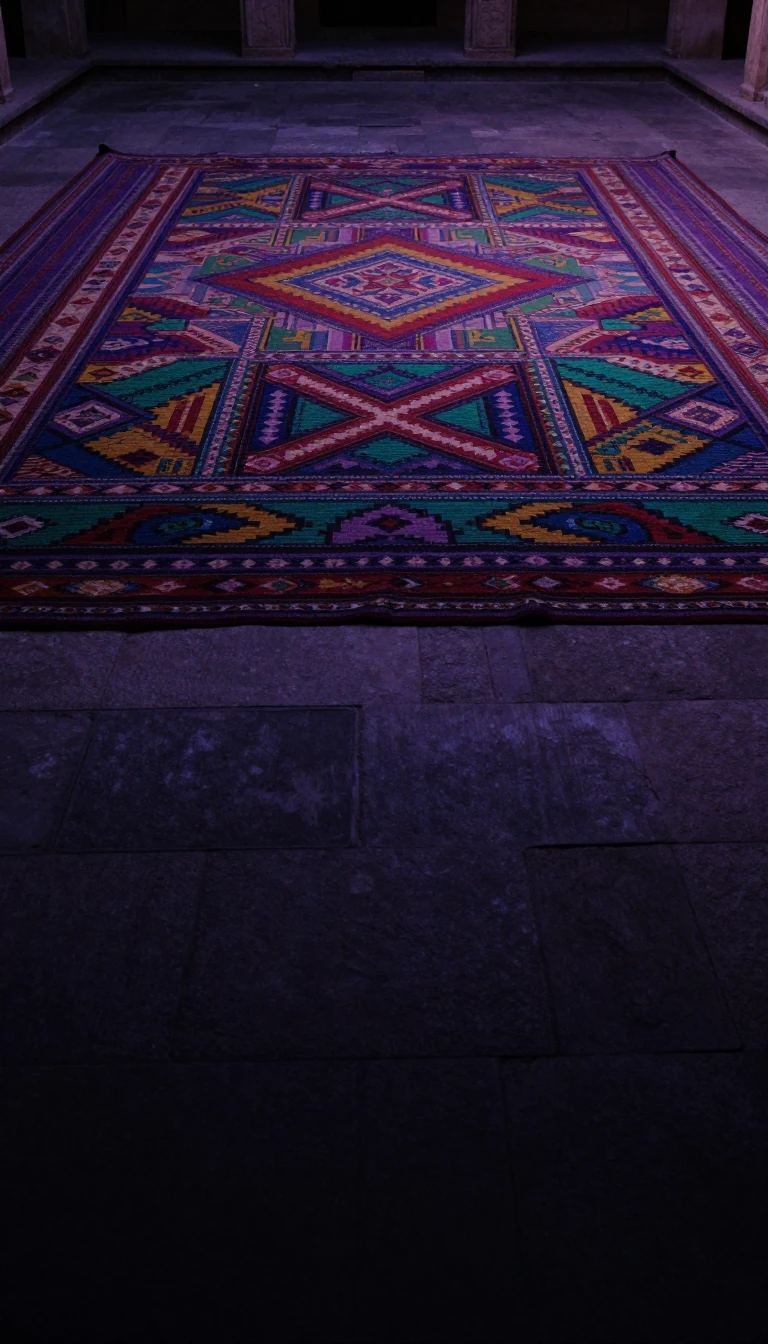
In short: Mexico defies simple categorization. From the distinct lives of Mayan peasants to urban elites, the country is a complex tapestry woven from indigenous roots and colonial history. While family remains the bedrock of society, deep socioeconomic gaps and shifting gender dynamics continue to reshape this diverse and colorful nation.
Mexican society is defined by a profound heterogeneity, often compared to the scale and diversity of nations like India or China. This cultural mosaic arises from a vast geography and the coexistence of numerous indigenous traditions alongside influences from the Spanish Empire and beyond. While the government has historically promoted a shared national identity through mestizaje, the reality on the ground remains fragmented by socioeconomic class, ethnicity, and regional geography.
The most striking divide exists between the wealthy, well-educated elite and the vast majority of the population, who live in poverty. In rural areas, many are landless day laborers, while urban centers are characterized by stark contrasts between affluent neighborhoods and squatter settlements lacking basic services. These economic disparities are further complicated by the influence of returning expatriates who bring American ways of life back to their home communities, adding another layer to the country's social fabric.
Family remains the central pillar of Mexican life, influencing status and opportunity from birth. It is common for multiple generations to share a home, a practice driven by both economic necessity and a cultural emphasis on close-knit relationships. While traditional gender roles—often described through the concepts of machismo and marianismo—persist, they are increasingly challenged by women's participation in the workforce. Despite these shifts, domestic violence remains a critical, often hidden concern, exacerbated by a deep distrust of the justice system.
Culinary traditions provide a common thread across this diversity, anchored by the ancient trinity of corn, beans, and squash. Regional variations are significant, from the beef-heavy dishes of the arid north to the complex, chili-based mole sauces of the central and southern regions. Even as processed foods become more common, these staples remain central to the identity of most Mexicans, reflecting a history that stretches back thousands of years.
Opens the Intellect+ feed with this card first. Swipe up for the next one.
Sources
- Summary by Intellect · source: www.britannica.com — Mexico - Culture, Cuisine, Traditions | Britannica
- Also: Culture of Mexico
To cite this card, link to https://intellectplus.co.uk/app/culture-culture-of-mexico.
How we source, check and correct cards: Editorial standards.
General information, not professional advice. Spotted an error? Flag the card or see corrections and complaints.
Intellect Plus is a visual educational discovery platform for exploring fascinating facts and ideas. Brain Food, Not Brain Rot. What is Intellect Plus?
Related
More in Culture · More in Cultures · Latest · A–Z · All topics
