The Paag: A prehistoric headdress that earned a spot in the dictionary
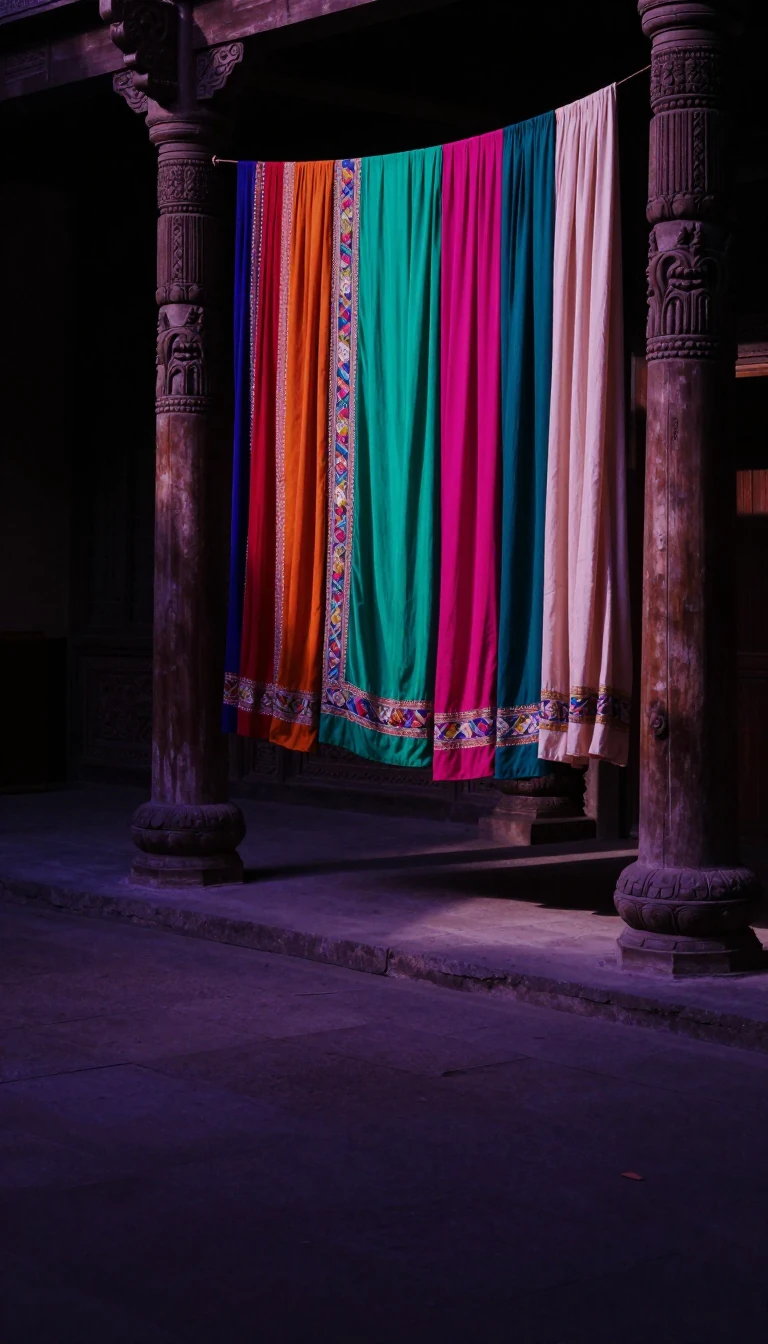
In short: In the Mithila region, a headpiece is more than just an accessory; it is a complex visual language of honor and status. From plant leaves in pre-historic times to modern silk, this traditional headdress carries specific colors that signal everything from marriage rituals to ancestral respect.
Mithila, a fertile alluvial plain spanning parts of Bihar and Nepal, is home to the Maithil people. Its cultural identity is deeply rooted in the ancient Videha Kingdom, where kings known as Janakas once ruled. This region has served as a major center for Jaina scholarship and pilgrimage for centuries. Notably, the 24th Tirthankara, Mahavira, spent six monsoon seasons here, and a specific branch of Jaina ascetics was named 'Maithiliya' to signify its historical importance.
The region’s social fabric is woven with distinct symbols. The Paag, a traditional headdress, serves as a primary marker of identity. Its colors are strictly coded: red is reserved for bridegrooms and those undergoing sacred thread rituals; mustard is worn by wedding guests; and white is the standard for elders. This cultural significance is so profound that the Paag was featured on Indian commemorative postage stamps in 2017 and has been included in the Macmillan Dictionary.
Beyond personal adornment, Mithila's heritage includes sophisticated artistic and culinary traditions. The region is famous for Madhubani painting, traditionally created by women across various communities. Its cuisine, a blend of Indian and Nepalese styles, features unique items like Pudukiya (dumplings). While the region faces challenges from frequent flooding of rivers like the Kosi and Gandak, these natural forces have shaped a resilient culture that preserves ancient customs alongside modern influences.
The political history of Mithila also reflects its importance. During the Mughal era, Emperor Akbar recognized the region's strategic value, eventually appointing Mahesh Thakur as caretaker in 1557 to ensure peace and tax collection. Later, figures like Maharaja Lakshmeshwar Singh became pivotal, blending traditional Indian education with Western influences to fund famine relief and support the Indian National Congress.
Opens the Intellect+ feed with this card first. Swipe up for the next one.
Sources
- Summary by Intellect · source: Mithila (region)
To cite this card, link to https://intellectplus.co.uk/app/culture-mithila-region.
How we source, check and correct cards: Editorial standards.
General information, not professional advice. Spotted an error? Flag the card or see corrections and complaints.
Intellect Plus is a visual educational discovery platform for exploring fascinating facts and ideas. Brain Food, Not Brain Rot. What is Intellect Plus?
Related
More in Traditions & customs · More in Cultures · Latest · A–Z · All topics
