How Tolkien transformed the legend of Atlantis into the tragic history of Númenor
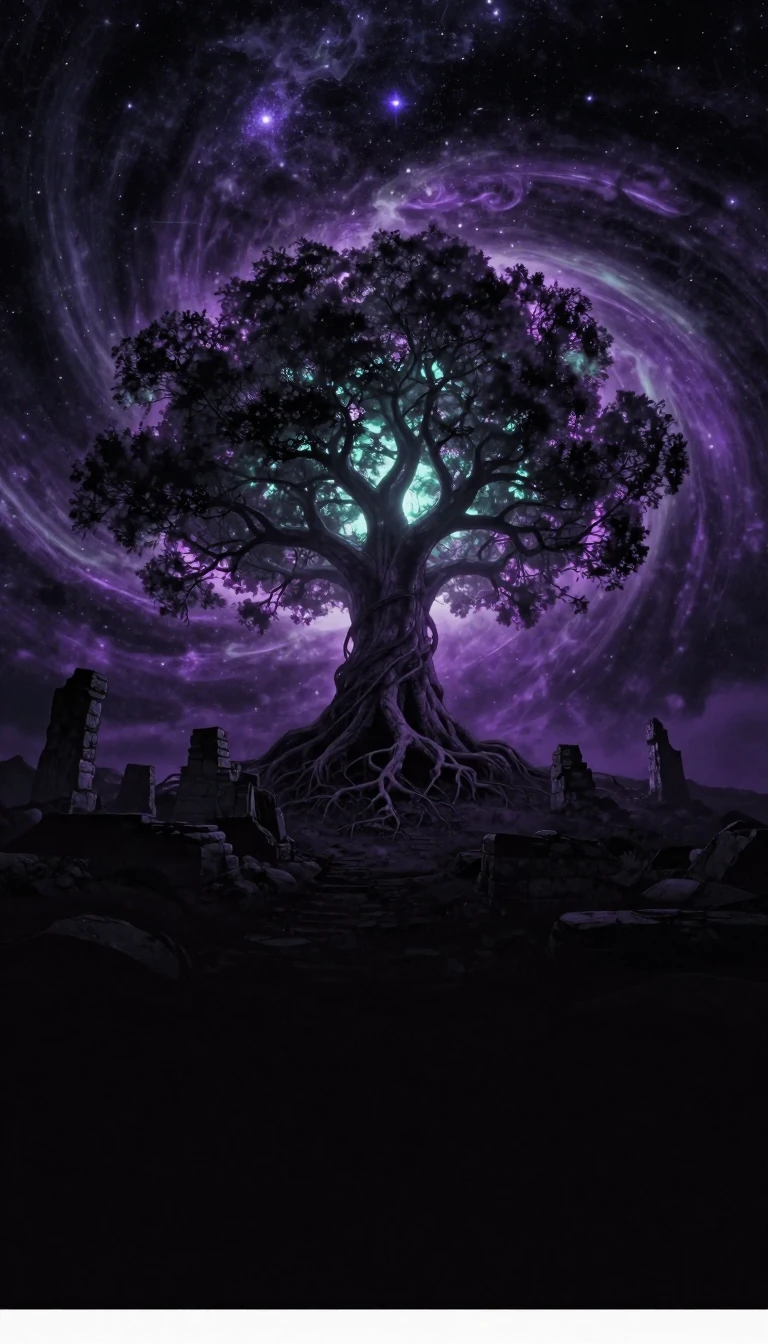
In short: Númenor was the greatest civilization of Men, a star-shaped island kingdom gifted by the gods. Yet, its story is one of hubris, decline, and ultimate destruction. By weaving together themes of divine retribution and ancient myth, J.R.R. Tolkien created a foundational tragedy that echoes through the history of Middle-earth.
Númenor, also known as Westernesse or Elenna-nórë, was a star-shaped island in the Great Sea, spanning approximately 167,691 square miles. It was granted to the Edain by the Valar as a reward for their loyalty during the wars of the First Age. The first King, Elros Half-elven, established a society that flourished for centuries, characterized by advanced shipbuilding, a unique calendar, and a deep connection to the sea. At its peak, the kingdom projected power across Middle-earth, establishing ports like Vinyalondë and Umbar, and influencing the development of the Men of the East.
The decline of this civilization began as its inhabitants grew jealous of the immortality enjoyed by the Elves. This resentment, fueled by the King's Men, led to the rejection of the Valar and the worship of Eru Ilúvatar. The situation worsened when the last King, Ar-Pharazôn, captured Sauron, who then manipulated the monarch into building a massive temple to Melkor in the capital, Armenelos. In a final act of hubris, Ar-Pharazôn launched an armada to invade the Undying Lands of the West, seeking to seize immortality by force.
This transgression triggered a cataclysmic response from Eru Ilúvatar, who transformed the flat world into a globe and sank Númenor beneath the ocean. Only the Faithful, who had remained loyal to the Valar, escaped to Middle-earth to found the kingdoms of Arnor and Gondor. Tolkien explicitly modeled this downfall on the legend of Atlantis, even deriving the Quenya name Atalantë—meaning 'the Downfallen'—to mirror the Greek myth. Scholars note that the narrative mirrors the destruction of Sodom and Gomorrah and the fall of man, cementing Númenor as a central, cautionary pillar of Tolkien's legendarium.
Opens the Intellect+ feed with this card first. Swipe up for the next one.
Sources
- Summary by Intellect · source: Númenor
To cite this card, link to https://intellectplus.co.uk/app/culture-n-menor.
How we source, check and correct cards: Editorial standards.
General information, not professional advice. Spotted an error? Flag the card or see corrections and complaints.
Intellect Plus is a visual educational discovery platform for exploring fascinating facts and ideas. Brain Food, Not Brain Rot. What is Intellect Plus?
Related
More in Peoples & civilisations · More in Cultures · Latest · A–Z · All topics
