The haunting music that makes trees dance and waterfalls stop
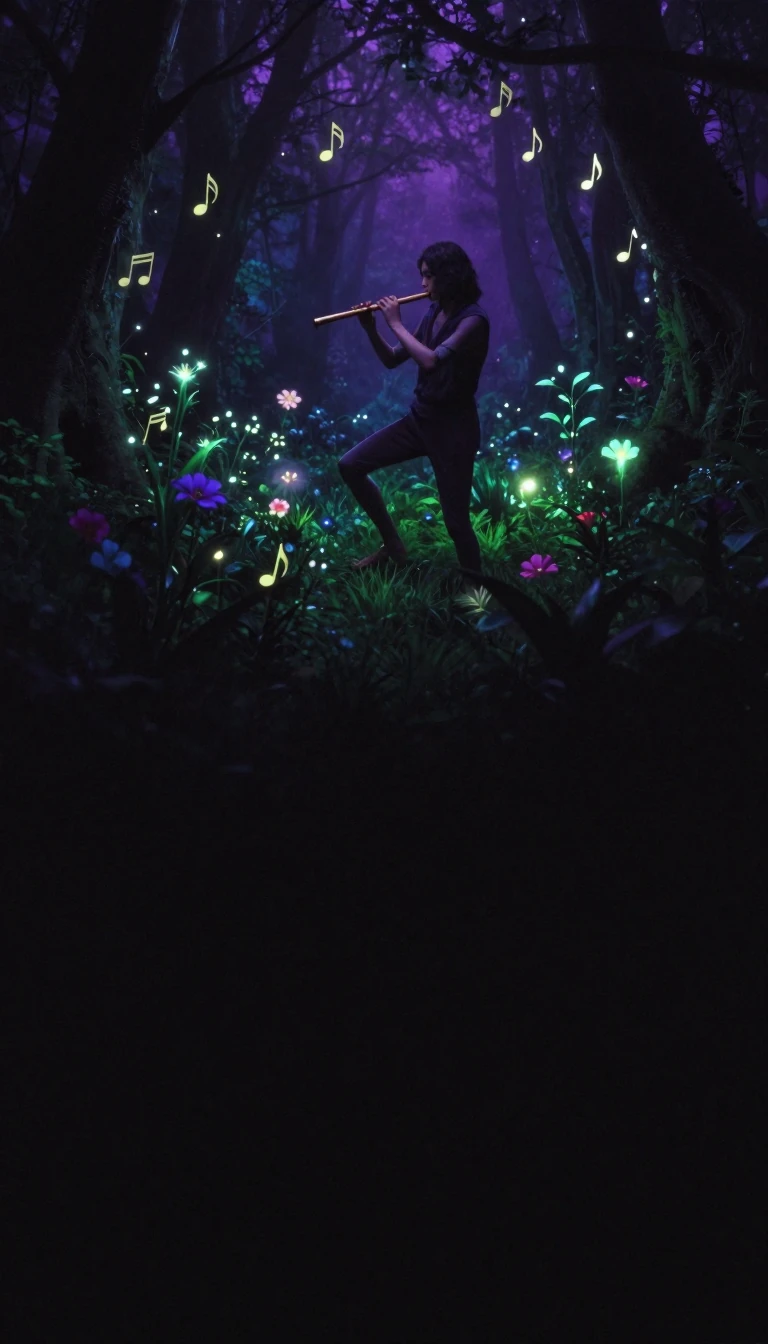
In short: In Germanic folklore, the Nixie is a shapeshifting water spirit capable of weaving melodies so powerful they can command nature itself. But these enchanting songs come with a lethal price: for many, listening to the Nixie’s music means being lured into the depths to drown forever.
The Nixie (or Näck in Sweden and Fossegrim in Norway) is a complex water spirit whose identity varies wildly across Germanic cultures. While German Nixes were often depicted as female river mermaids, their Scandinavian counterparts are typically male nature spirits. They are masters of shapeshifting; they can appear as elegant men playing violins, treasure, floating objects, or even animals like dogs, cats, and horses. In many regions, the 'brook horse'—a three-legged beast—is believed to be a primary form that predates the personification of the Nixie as a man in the rapids.
The danger lies in their music. These spirits are said to lure women, children, and even men into lakes or streams with enchanted songs. In some traditions, these melodies are so potent they can make chairs dance and trees sway. However, this power is often tied to a tragic loneliness; 19th-century Romantic folklore depicts the Nixie as a spirit longing for salvation but doomed because it is not 'a child of God.' Some stories suggest that if a musician survives three consecutive Thursday nights at a stream while offering a black cat, they can learn to play with this supernatural mastery.
Folklore provides specific mechanisms for survival and interaction. To ward off the Nixie's power, swimmers might throw steel or stick a knife into the ground before entering the water. Conversely, some believe one could bargain with the spirit: offering three drops of blood or a bit of 'brännvin' (Nordic spirit) might grant a person the gift of enchanting music. These myths serve as a cultural framework for understanding the dangers of deep water, often manifesting as omens where the Nixie’s screams predict upcoming drownings.
The linguistic roots of these spirits are tied to the Proto-Indo-European word *neigʷ, meaning 'to wash.' This connects them to various European water entities, including the French Melusine and Slavic Rusalka. In some regions, like North Karelia, they were distinguished from other spirits that specifically carried illness, highlighting a nuanced folklore where different water entities represented different types of environmental hazards.
Opens the Intellect+ feed with this card first. Swipe up for the next one.
Sources
- Summary by Intellect · source: Nixie (folklore)
To cite this card, link to https://intellectplus.co.uk/app/culture-nixie-folklore.
How we source, check and correct cards: Editorial standards.
General information, not professional advice. Spotted an error? Flag the card or see corrections and complaints.
Intellect Plus is a visual educational discovery platform for exploring fascinating facts and ideas. Brain Food, Not Brain Rot. What is Intellect Plus?
Related
More in UK & Irish culture · More in Cultures · Latest · A–Z · All topics
