How a surveyor's camp in Tornado Alley became a global hub for weather science
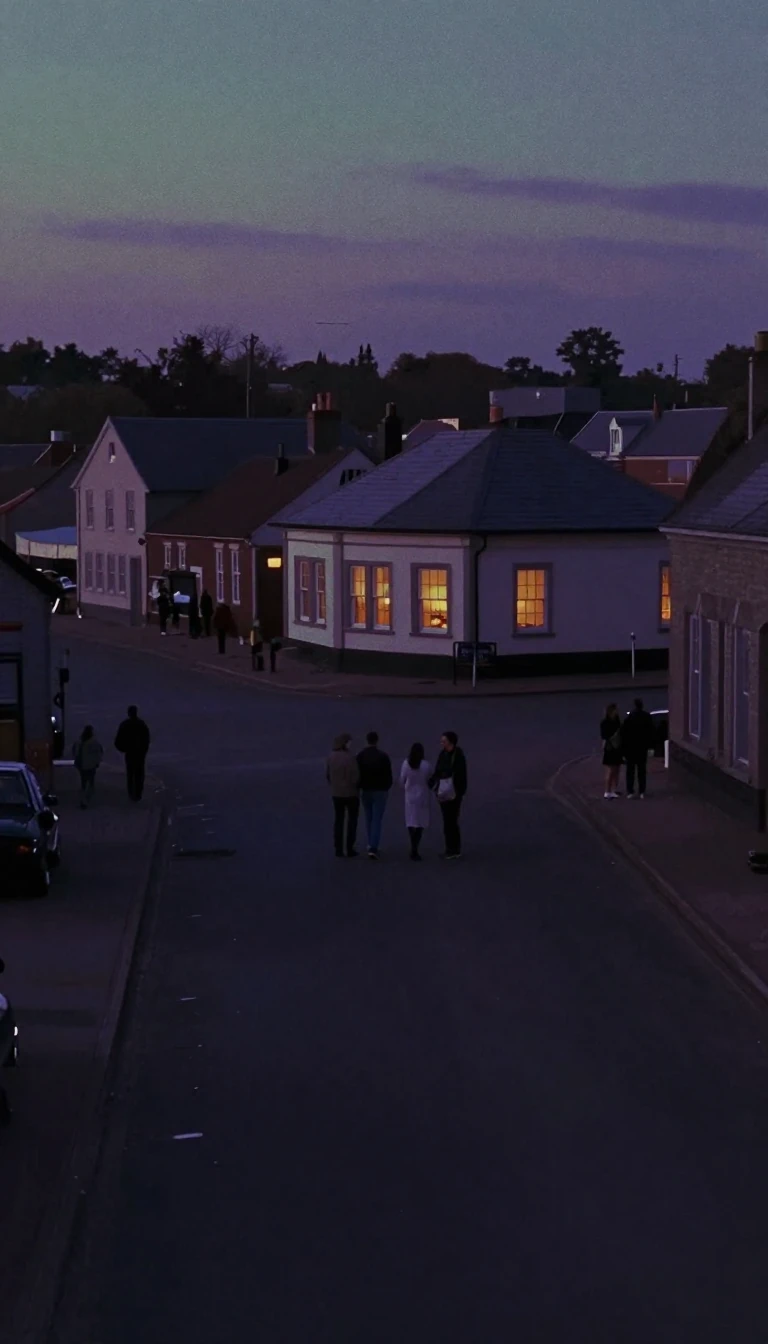
In short: Born from a land run and a carved elm tree, Norman, Oklahoma, evolved from a segregated frontier settlement into a powerhouse of atmospheric research. Today, this university town sits at the heart of Tornado Alley, leveraging its unique geography to lead the world in severe weather prediction and climate innovation.
The city of Norman traces its origins to the Land Run of 1889, when the former Unassigned Lands of the Indian Territory were opened to American settlement. Its name stems from a makeshift sign carved into an elm tree by a survey crew honoring their 23-year-old boss, Abner Ernest Norman. By 1891, the city was formally incorporated, and local businessmen Delbert Larsh and Thomas Waggoner successfully lobbied to host the state's first university, securing the University of Oklahoma in 1890—seventeen years before Oklahoma achieved statehood.
For much of its early history, Norman operated as a sundown town, systematically excluding African Americans from living or staying overnight until the early 1960s. The city council issued a formal apology for this legacy in 2020. Following World War II, the city’s population surged as it transitioned into a bedroom community for Oklahoma City, bolstered by the expansion of Interstate 35 in 1959 and the repurposing of military training facilities into civilian infrastructure.
Today, Norman is defined by its scientific and academic identity. As a fixture within Tornado Alley, the city hosts the National Weather Center, a collaborative hub for the National Oceanic and Atmospheric Administration and the University of Oklahoma. This concentration of expertise has fostered a thriving private sector of meteorological firms, alongside research into renewable energy and nanotechnology. The university remains the city's economic anchor, housing the Fred Jones Jr. Museum of Art—which holds the largest collection of French Impressionist art ever gifted to an American university—and the Sam Noble Oklahoma Museum of Natural History, which contains five million artifacts.
The city's climate is humid subtropical, characterized by consistent southern winds and significant seasonal temperature swings. While the region is prone to intense tornadic activity, the presence of the Storm Prediction Center and the National Severe Storms Laboratory ensures that Norman remains at the forefront of global efforts to understand and forecast high-impact hazardous weather.
Opens the Intellect+ feed with this card first. Swipe up for the next one.
Sources
- Summary by Intellect · source: Norman, Oklahoma
- Also: Norman | University Town, Home of OU, Sooner State | Britannica
To cite this card, link to https://intellectplus.co.uk/app/culture-norman-oklahoma.
How we source, check and correct cards: Editorial standards.
General information, not professional advice. Spotted an error? Flag the card or see corrections and complaints.
Intellect Plus is a visual educational discovery platform for exploring fascinating facts and ideas. Brain Food, Not Brain Rot. What is Intellect Plus?
Related
More in US culture · More in Cultures · Latest · A–Z · All topics
