The 'Foreigner Gaels' who shaped the Irish Sea and beyond
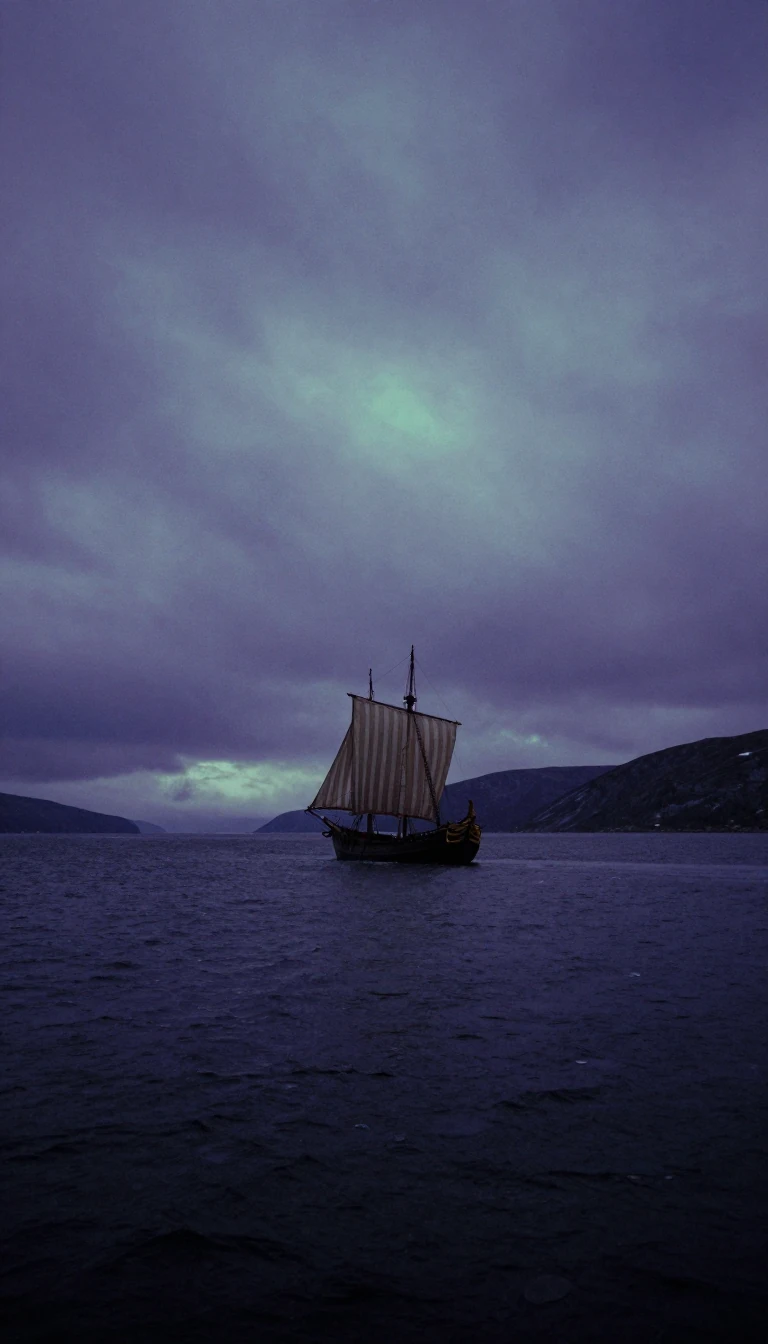
In short: They were a hybrid people born from Viking raids and Gaelic intermarriage. For centuries, these Norse–Gaels dominated maritime trade, founded kingdoms, and even influenced Icelandic mythology. Though they eventually merged into the local populations, their DNA, surnames, and seafaring technology remain etched into the landscape of the North Atlantic.
The Norse–Gaels emerged during the Viking Age as a distinct cultural synthesis between Scandinavian immigrants and native Gaels in Ireland and Scotland. By the 9th century, many Vikings began adopting the Gaelic language and customs, often converting to Christianity. This fusion created a powerful maritime identity that dominated the Irish Sea from the 9th to the 12th centuries. They established significant political entities, including the Kingdom of Dublin, the Kingdom of the Isles (covering the Hebrides and Isle of Man), and the Lordship of Galloway.
Their influence was both military and economic. The Norse–Gaels produced the gallowglass, elite mercenary warriors who became a staple of Irish warfare. They also adapted Viking longships into the Gaelic birlinn and longa fada, vessels that remained in use until the 17th century. In Ireland, they were often identified as 'Ostmen' (East-men), a group granted special legal protections by the English Crown due to their vital roles as merchants, fishers, and craftsmen. This status allowed them to live in distinct areas like Oxmantown, a name derived from their original settlement.
The legacy of the Norse–Gaels extends far beyond the British Isles. They were instrumental in the settlement of Iceland and the Faroe Islands, where they were known as 'Vestmen' (West-men). This influence is visible in Icelandic personal names like Njáll and Brjánn, which have Gaelic roots. Even Irish mythology may carry their mark; some scholars suggest that the heroic Fianna Cycle originated from Norse–Gaelic heritage, potentially translating Old Norse terms for 'enemies' into 'brave warriors.' Today, many prominent Scottish clans—including MacDonald and MacLeod—trace their lineage back to these seafaring pioneers.
While they eventually disappeared as a distinct group through assimilation, their presence is still felt in the geography of the Hebrides. The islands are still referred to in Gaelic as the 'Islands of Foreigners,' an ironic nod to the fact that they remain one of the last strongholds of the very language the Norse–Gaels helped preserve.
Opens the Intellect+ feed with this card first. Swipe up for the next one.
Sources
- Summary by Intellect · source: Norse–Gaels
To cite this card, link to https://intellectplus.co.uk/app/culture-norse-gaels.
How we source, check and correct cards: Editorial standards.
General information, not professional advice. Spotted an error? Flag the card or see corrections and complaints.
Intellect Plus is a visual educational discovery platform for exploring fascinating facts and ideas. Brain Food, Not Brain Rot. What is Intellect Plus?
Related
More in Languages · More in Cultures · Latest · A–Z · All topics
