From Industrial Slums to Global Icon: The Turbulent Evolution of London's Notting Hill
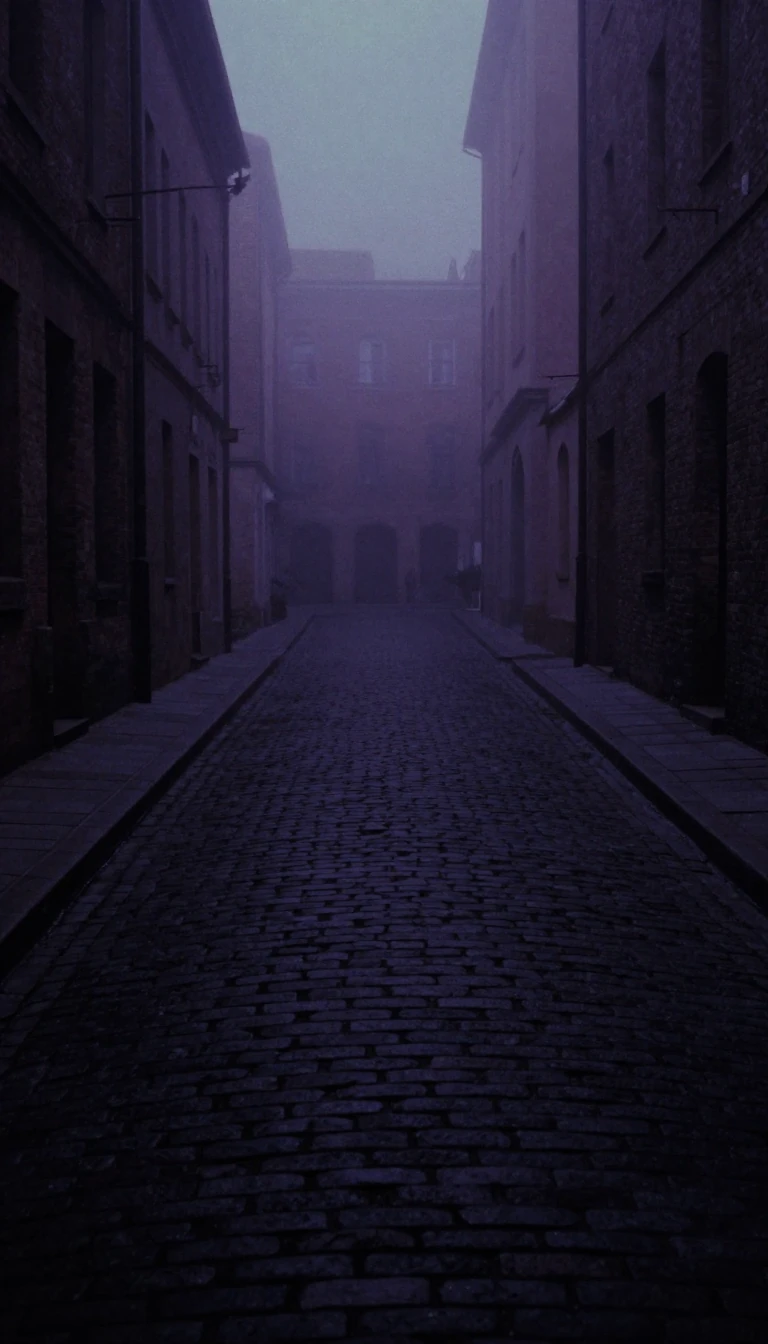
In short: Once a rural hamlet, Notting Hill transformed into a brick-making hub, a notorious slum, and finally, one of the world's most affluent neighborhoods. This district’s identity is defined by a complex history of racial tension, artistic migration, and the enduring, vibrant legacy of the annual Notting Hill Carnival.
Notting Hill’s origins are rooted in heavy clay, which fueled a 19th-century brick and tile industry. By the 1820s, landowner James Weller Ladbroke attempted to rebrand the area as a fashionable suburb, commissioning architect Thomas Allason to design grand terraces and innovative private communal gardens. Despite these ambitions, the area struggled to attract the elite, eventually becoming a dense, multi-occupancy district for working-class immigrants throughout the 20th century. By the 1950s, the neighborhood was plagued by slum conditions, racketeering landlords like Peter Rachman, and severe racial prejudice, culminating in the 1958 race riots.
The social character of the area was irrevocably shaped by the Caribbean community that arrived in the mid-20th century. In 1965, they launched the Notting Hill Carnival, which has since grown into one of Europe’s largest street festivals, attracting up to 1.5 million people. While the event has faced periodic clashes with police—most notably in 1976, an event that inspired the punk band The Clash—it remains a cornerstone of the district’s multicultural identity. The carnival’s growth has even prompted official reviews to manage its massive scale and route.
Today, Notting Hill is a study in extreme gentrification. Following decades of redevelopment and the construction of landmarks like the Westway Flyover, the area has become a playground for the wealthy, characterized by high-end boutiques and Michelin-starred dining. This shift has come at a cost; the 2011 Census revealed significant declines in the Black and Irish populations that once defined the neighborhood’s character. As the area continues to evolve, it remains a contested space where the remnants of its radical, working-class past collide with the polished, affluent present.
Opens the Intellect+ feed with this card first. Swipe up for the next one.
Sources
- Summary by Intellect · source: Notting Hill
To cite this card, link to https://intellectplus.co.uk/app/culture-notting-hill.
How we source, check and correct cards: Editorial standards.
General information, not professional advice. Spotted an error? Flag the card or see corrections and complaints.
Intellect Plus is a visual educational discovery platform for exploring fascinating facts and ideas. Brain Food, Not Brain Rot. What is Intellect Plus?
Related
More in Festivals & celebrations · More in Cultures · Latest · A–Z · All topics
