From rural retreat to urban powerhouse: the evolving identity of London's Hackney borough
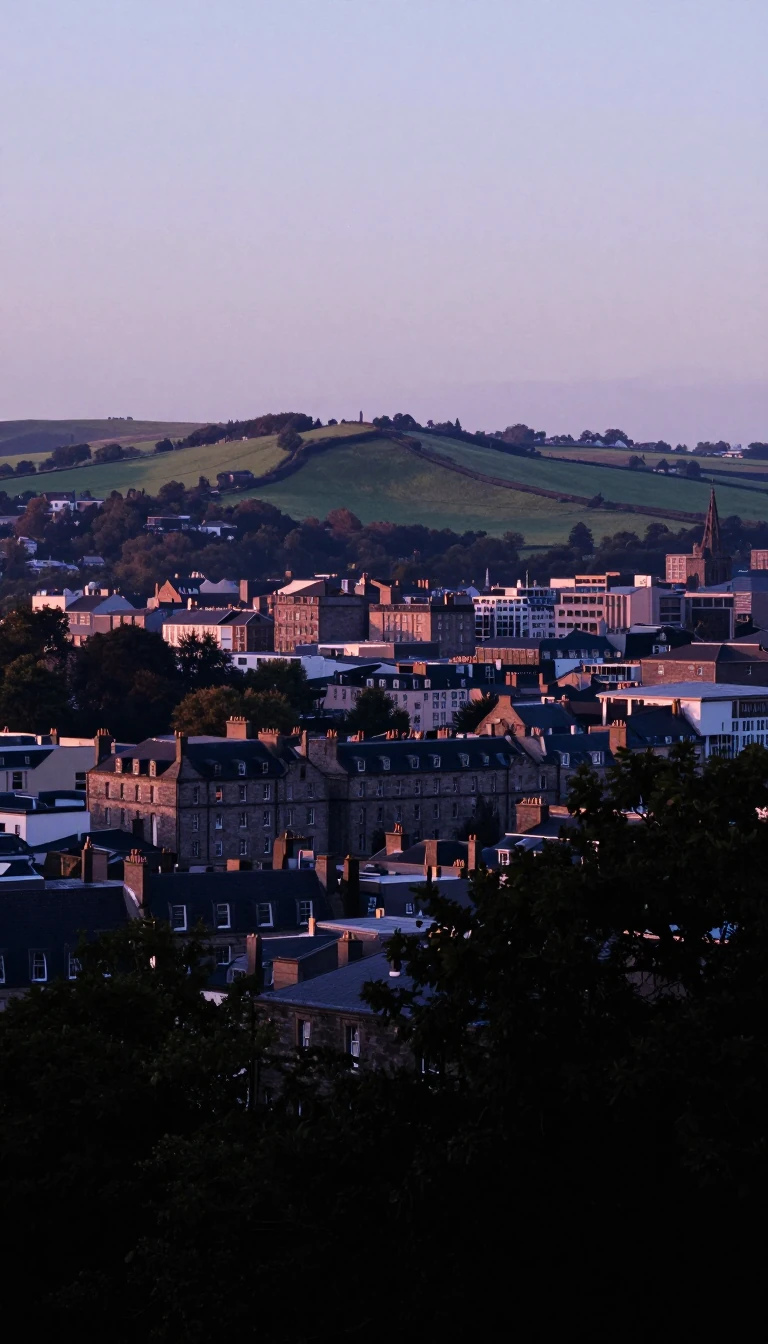
In short: Once a wild island retreat for Tudor nobility, Hackney has transformed from a collection of hamlets into a central London borough. While it was once famously labeled Britain's poorest area, the borough has undergone rapid gentrification, shifting its status significantly within the national indices of deprivation over recent decades.
The modern London Borough of Hackney was established in 1965, merging the former metropolitan boroughs of Hackney, Shoreditch, and Stoke Newington. These areas have deep historical roots, with their boundaries closely mirroring ancient parishes that once sat within the Ossulstone hundred of Middlesex. The name itself likely refers to 'Haka's island,' a marshy, inaccessible area near the River Lea, which historically served as a natural boundary between Saxon territories and later between the counties of Middlesex and Essex.
During the Tudor period, the area flourished as a rural escape for the wealthy, a reputation that persisted until the 1850s when railway construction integrated it into the wider city. By the 20th century, the landscape had shifted toward social housing and industrial development. The borough’s economic narrative has been particularly volatile; in the 1980s and as late as 2010, it was frequently cited as the poorest borough in Britain. However, recent data from the 2019 Indices of Multiple Deprivation indicates a marked shift, placing Hackney as the 22nd most deprived borough in England, a significant improvement from its 2nd-place ranking in 2010.
Today, Hackney is defined by a complex mix of heritage and modern urban pressure. It boasts hundreds of listed buildings, including the 16th-century Sutton House and the medieval St Augustine's Tower, alongside a massive collection of football pitches at Hackney Marshes. The borough’s identity remains fluid, with sub-districts like Hoxton and Dalston often lacking formal boundaries, reflecting a history of overlapping perceptions. From its origins as a retreat for the elite to its role as a 2012 Olympic host, Hackney continues to navigate the tension between its ancient parish roots and its status as a rapidly gentrifying urban center.
Opens the Intellect+ feed with this card first. Swipe up for the next one.
Sources
- Summary by Intellect · source: London Borough of Hackney
- Also: Wikidata — London Borough of Hackney · CC0
To cite this card, link to https://intellectplus.co.uk/app/places-london-borough-of-hackney.
How we source, check and correct cards: Editorial standards.
General information, not professional advice. Spotted an error? Flag the card or see corrections and complaints.
Intellect Plus is a visual educational discovery platform for exploring fascinating facts and ideas. Brain Food, Not Brain Rot. What is Intellect Plus?
Related
More in UK & Irish cities · More in Countries & Cities · Latest · A–Z · All topics
