Oklahoma is a land of ecological extremes and a complex, often painful, human history.
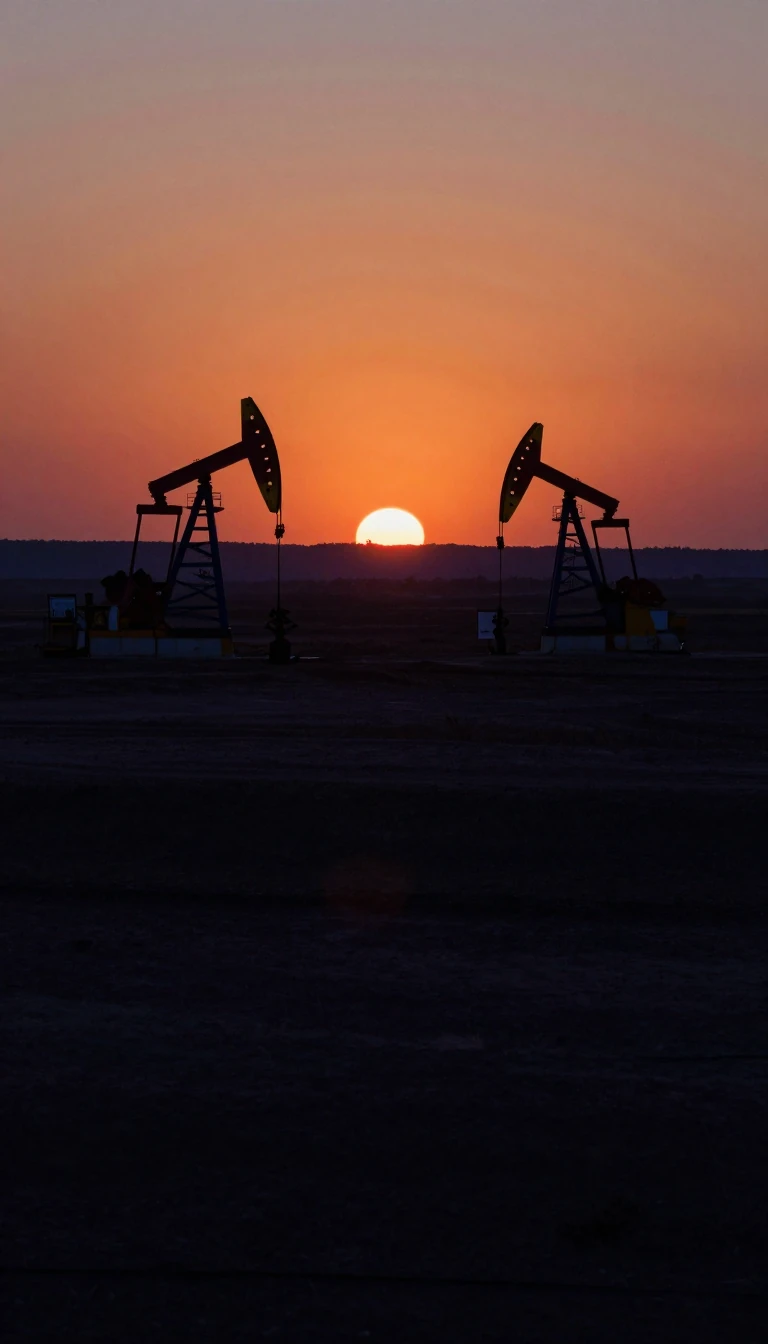
In short: Oklahoma sits at a unique crossroads of American geography and culture. It holds more distinct ecological regions per square mile than any other state, yet its history is defined by the forced removal of Indigenous nations, the trauma of the Dust Bowl, and a modern legal landscape that remains deeply contested.
The name Oklahoma, suggested by Choctaw Chief Allen Wright in 1865, translates to 'red people.' Historically, the region served as a government-sanctioned territory for Indigenous peoples forcibly removed from their ancestral lands east of the Mississippi River. By 1890, over 30 Native American nations were concentrated within this 'Indian Territory.' The state's development was further accelerated by the Land Rush of 1889, which opened tribal lands to white settlers, and the subsequent Dawes and Curtis Acts, which dismantled tribal governments and ownership to force assimilation.
Geographically, Oklahoma is a state of profound contrast. It contains 11 distinct ecological regions, ranging from the mountainous Ozark and Ouachita ranges in the east to the semi-arid high plains of the Panhandle. This diversity is mirrored in its water management; the state holds the nation's highest number of artificial reservoirs, with over 4,700 dams constructed to mitigate the environmental volatility that once fueled the catastrophic Dust Bowl of the 1930s. This era of drought and soil erosion forced a significant population decline as families fled the state.
The state's modern identity is inseparable from its economic and legal evolution. While oil and gas discoveries in the 20th century transformed towns like Tulsa, the state also witnessed the 1921 Tulsa race massacre, one of the most destructive acts of racist violence in American history. Today, the legal status of the state is still shifting; the 2020 Supreme Court decision in McGirt v. Oklahoma affirmed that large portions of Eastern Oklahoma remain 'Indian Country' for criminal law purposes, a ruling that continues to shape the relationship between the state and the Indigenous nations that have inhabited the region since the last ice age.
Opens the Intellect+ feed with this card first. Swipe up for the next one.
Sources
- Summary by Intellect · source: Oklahoma
- Also: www.britannica.com — Oklahoma | Geography, History, Capital, Map, Population, & Facts | Britannica
To cite this card, link to https://intellectplus.co.uk/app/culture-oklahoma.
How we source, check and correct cards: Editorial standards.
General information, not professional advice. Spotted an error? Flag the card or see corrections and complaints.
Intellect Plus is a visual educational discovery platform for exploring fascinating facts and ideas. Brain Food, Not Brain Rot. What is Intellect Plus?
Related
More in US culture · More in Cultures · Latest · A–Z · All topics
