Omaha: The Upstream People Who Built a Gateway to the American West
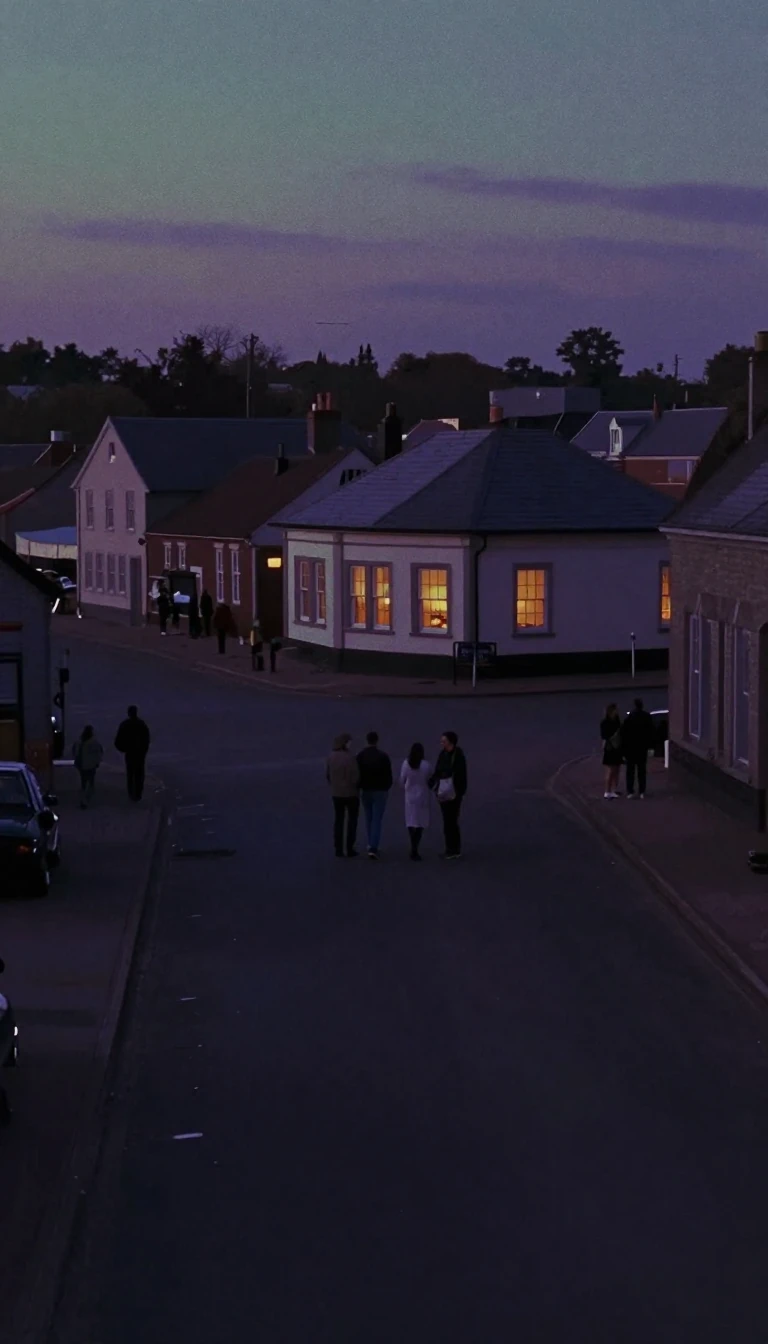
In short: Known as the Gateway to the West, Omaha was founded in 1854 by speculators eyeing the Missouri River. From a frontier crossing to a global meatpacking powerhouse, this Heartland city has reinvented itself through boom and bust, civil unrest, and a relentless drive to define the American industrial landscape.
The name Omaha, derived from the Omaha-Ponca language, means 'Upstream People' or 'Against the Current,' a fitting moniker for a city that has consistently navigated turbulent waters. Long before its 1854 founding, the region was home to tribes including the Omaha, Ponca, Pawnee, Otoe, and Missouria. By the early 19th century, the area became a focal point for fur traders and explorers, with the Lewis and Clark Expedition passing through in 1804. The city’s formal origins were driven by land speculators from Council Bluffs, Iowa, who sought to secure the territorial capital and position their new town as the essential eastern terminus for the transcontinental railroad.
Omaha’s economic identity was forged in the 19th and 20th centuries through transportation and industry. The Union Stockyards, established in 1883, propelled the city to international prominence, with meatpacking eventually employing half of the city's workforce by the 1950s. This era of growth was marked by the 1898 Trans-Mississippi and International Exposition, which drew over 2 million visitors. However, the city also faced deep scars from labor struggles, racial violence—including the 1919 Red Summer riots—and the controversial 1989 demolition of the Jobbers Canyon Historic District, which remains the largest-ever destruction of a National Register historic district in the United States.
Today, Omaha continues to evolve, shifting from its industrial roots toward a service and technology-oriented economy. While the stockyards have vanished, the city remains a headquarters for major corporations like Berkshire Hathaway and Mutual of Omaha. Recent decades have seen a concerted effort to rejuvenate the downtown core, including the construction of the First National Bank Tower and the upcoming Mutual of Omaha Headquarters Tower, set to become the state's tallest building in 2026. Despite its history of upheaval, Omaha maintains its status as a vital Heartland hub, balancing its pioneering past with ongoing urban redevelopment.
Opens the Intellect+ feed with this card first. Swipe up for the next one.
Sources
- Summary by Intellect · source: Omaha, Nebraska
- Also: Omaha | Nebraska’s Largest City & History | Britannica
- Also: Wikidata — Omaha · CC0
- Also: Wikidata — Omaha, Nebraska Auditions · CC0
To cite this card, link to https://intellectplus.co.uk/app/culture-omaha-nebraska.
How we source, check and correct cards: Editorial standards.
General information, not professional advice. Spotted an error? Flag the card or see corrections and complaints.
Intellect Plus is a visual educational discovery platform for exploring fascinating facts and ideas. Brain Food, Not Brain Rot. What is Intellect Plus?
Related
More in US culture · More in Cultures · Latest · A–Z · All topics
