The world-famous Paisley pattern actually began as a humble Kashmiri motif called the buta.
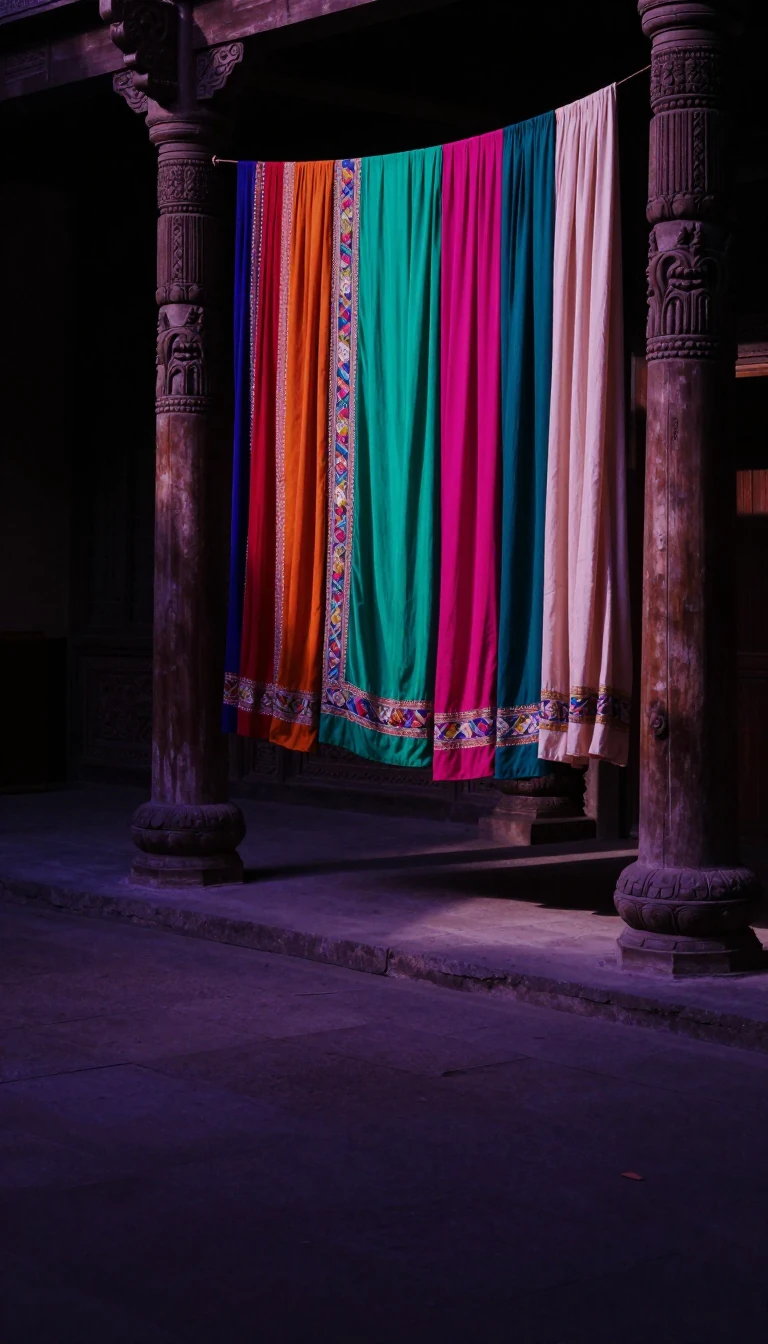
In short: Known globally by the name of a Scottish town, the teardrop-shaped paisley design has deep roots in South Asian craftsmanship. Long before it became a staple of Western fashion, this intricate motif adorned bridal wear and royal garments in Kashmir, carrying stories of artistry that were eventually obscured by industrialization.
The motif known today as paisley is historically referred to as the buta, ambi, or kalga. Originating in the Kashmir valley, this design was a celebrated element of Indian textile tradition, appearing on everything from jewelry and henna tattoos to fine shawls woven from soft goat hair. While some theories suggest the buta was inspired by ancient Zoroastrian symbols of life and fertility, its primary cultural significance was tied to the sophisticated craftsmanship of Kashmiri artisans.
The transition to the West began in the 16th century, when Kashmir fabrics were reportedly gifted to British officers by Persian royals. These shawls quickly became a status symbol among European royalty and fashion icons. Because authentic Kashmiri shawls were prohibitively expensive, British manufacturers sought to replicate them. By the mid-19th century, factories in the Scottish town of Paisley were mass-producing imitation shawls, a process that provided local employment but simultaneously undermined the livelihoods of traditional weavers in Kashmir.
The mechanization of the design in Britain led to the loss of the original, intricate handwork that defined the Kashmiri craft. While the pattern gained global popularity—eventually being adopted by luxury brands like Gucci and Burberry—the history of the real artisans behind the motif was largely ignored. Today, the pattern remains a versatile fixture in fashion, yet its journey from a specialized Kashmiri art form to a mass-produced Western commodity remains a complex story of cultural appropriation and industrial displacement.
Opens the Intellect+ feed with this card first. Swipe up for the next one.
Sources
- Summary by Intellect · source: Stories about the South Asian origins of Paisley pattern | National Museums Scotland
- Also: Paisley (design)
To cite this card, link to https://intellectplus.co.uk/app/culture-paisley-design.
How we source, check and correct cards: Editorial standards.
General information, not professional advice. Spotted an error? Flag the card or see corrections and complaints.
Intellect Plus is a visual educational discovery platform for exploring fascinating facts and ideas. Brain Food, Not Brain Rot. What is Intellect Plus?
Related
More in US culture · More in Cultures · Latest · A–Z · All topics
