The global icon known as 'Paisley' began as a Persian tree.
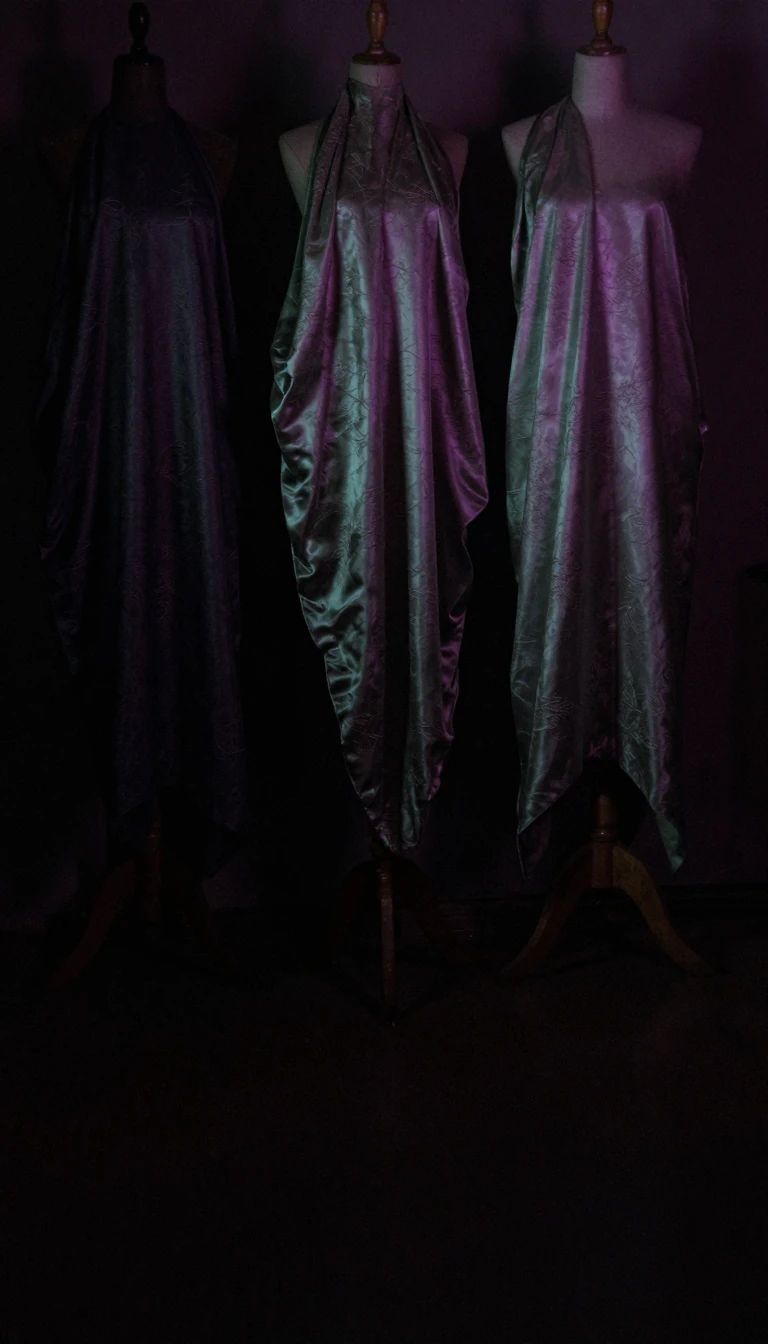
In short: Before it was a staple of Scottish factories or modern fashion, the paisley motif was a sacred symbol of Iranian nature. Its journey from Mughal courts to European wardrobes reveals how luxury goods can be stripped of their origins to become universal symbols of style.
The paisley motif is only about 250 years old, evolving from 1600s floral and 'tree-of-life' designs in expensive Mughal textiles. Its roots lie in the Persian 'butta-jeghgha,' a stylized cypress tree symbolizing Iran. Over time, these designs became denser, compacting flowers into an elliptical shape with a curved point at the top. By the late 18th century, this specific silhouette became the archetypal paisley we recognize today.
Kashmir served as the pivotal birthplace for these coveted garments. The most prestigious shawls were made from 'pashmina'—the soft under-fleece of the wild Asian mountain goat (Capra hircus). These were often woven using a Persian device called the naksha, which allowed weavers to create sinuous patterns that rivaled brush paintings. Notable styles included the Kanikar, featuring imitations of nature like chinar leaves and nightingales, and the Dourukha, a reversible masterpiece where multi-colored patterns are woven so perfectly on both sides that they appear identical.
The transition from luxury to mass market was swift. By the 18th century, Kashmiri shawls became fashionable for the English and French elite, notably worn by Queen Victoria and Empress Joséphine. To meet surging demand, manufacturers created embroidered versions in half the time. The exclusivity of the original Kashmir weave was finally broken in 1870 with the advent of the Jacquard loom in Europe. Production shifted to Paisley, Scotland, where factory imitations gave the motif its modern name. Interestingly, while rural Indians associated the shape with a mango (a symbol of fertility), it remains an evergreen global textile.
Today, the distinction between authentic and imitation persists. While high-end shawls still utilize pashmina or shahtoosh (under-fleece of the Tibetan antelope), much of the modern market relies on inferior wool from domesticated sheep. The craftsmanship remains a blend of weaving and embroidery, where 'rafugar' experts may still work minute stitches so fine they are barely visible to the naked eye.
Opens the Intellect+ feed with this card first. Swipe up for the next one.
Sources
- Summary by Intellect · source: Shawl
To cite this card, link to https://intellectplus.co.uk/app/culture-shawl.
How we source, check and correct cards: Editorial standards.
General information, not professional advice. Spotted an error? Flag the card or see corrections and complaints.
Intellect Plus is a visual educational discovery platform for exploring fascinating facts and ideas. Brain Food, Not Brain Rot. What is Intellect Plus?
Related
More in Clothing and fashion · More in Cultures · Latest · A–Z · All topics
