How a desert training ground for World War II became a golfing oasis.
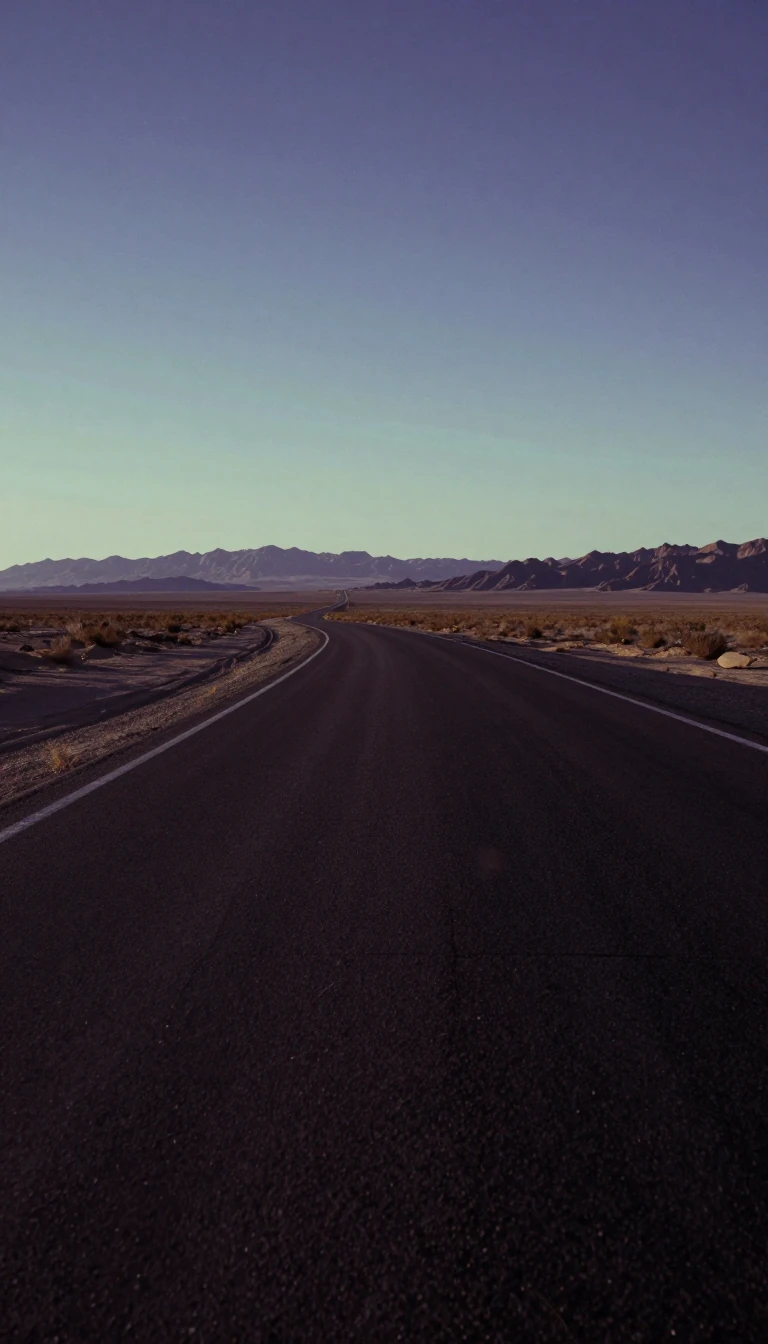
In short: Palm Desert began as a military staging area for General George S. Patton before transforming into a premier desert destination. Today, this California city is known as the World's Golf Capital, boasting over thirty courses and a climate that remains one of the warmest in the United States year-round.
The region now known as Palm Desert sits on the ancestral lands of the Cahuilla people, specifically the Las Palmas and San Cayetano bands. Before its modern development, the area was called Old MacDonald Ranch and later Palm Village, named for the date palm groves planted in the 1920s. The city's trajectory shifted dramatically during World War II when the United States Army established the Desert Training Center under General George S. Patton to prepare troops for North African combat. This military presence catalyzed the first large-scale residential development in 1943.
Following the war, aviation promoter Colonel Clifford W. Henderson and his brother Randall J. Henderson envisioned a planned community. In 1945, they formed the Palm Desert Corporation with investors like Edgar Bergen and Leonard Firestone. They collaborated with landscape designer Tommy Tomson to create the city's aesthetic layout. By 1948, the corporation began constructing the Shadow Mountain Club, which featured a golf course and a distinctive figure-eight pool. The area officially adopted the name Palm Desert in 1951 and incorporated as a city in 1973.
The city's reputation as a sporting hub grew alongside its infrastructure. With over thirty golf courses within ten miles, it earned the moniker World's Golf Capital. The municipal Desert Willow Golf Resort, opened in 2002, features championship courses like Firecliff, which was ranked among the best public courses in California by Golf Magazine in 2010. Beyond golf, the city hosts the Living Desert Zoo and Gardens, a 80-acre facility founded in 1970 that houses over 500 animals and attracts more than 500,000 annual visitors.
Palm Desert's climate is defined by its location in the Coachella Valley, where surrounding mountains create a unique thermal belt. This geography results in exceptionally warm winters and over 348 days of sunshine annually. While the city has experienced rapid growth since 1980, its development remains tied to its desert identity, balancing its history as a military site with its modern status as a center for tourism, education, and recreation.
Opens the Intellect+ feed with this card first. Swipe up for the next one.
Sources
- Summary by Intellect · source: Palm Desert, California
To cite this card, link to https://intellectplus.co.uk/app/culture-palm-desert-california.
How we source, check and correct cards: Editorial standards.
General information, not professional advice. Spotted an error? Flag the card or see corrections and complaints.
Intellect Plus is a visual educational discovery platform for exploring fascinating facts and ideas. Brain Food, Not Brain Rot. What is Intellect Plus?
Related
More in Festivals & celebrations · More in Cultures · Latest · A–Z · All topics
