How a dysfunctional New York punk band accidentally created the perfect pop masterpiece
In short: Blondie’s 1978 album Parallel Lines was born from intense internal animosity, a producer who thought they were the worst band he had ever worked with, and sessions marked by tears and flying synthesizers. Yet, this chaotic friction produced a global pop phenomenon that defined the sound of a new generation.
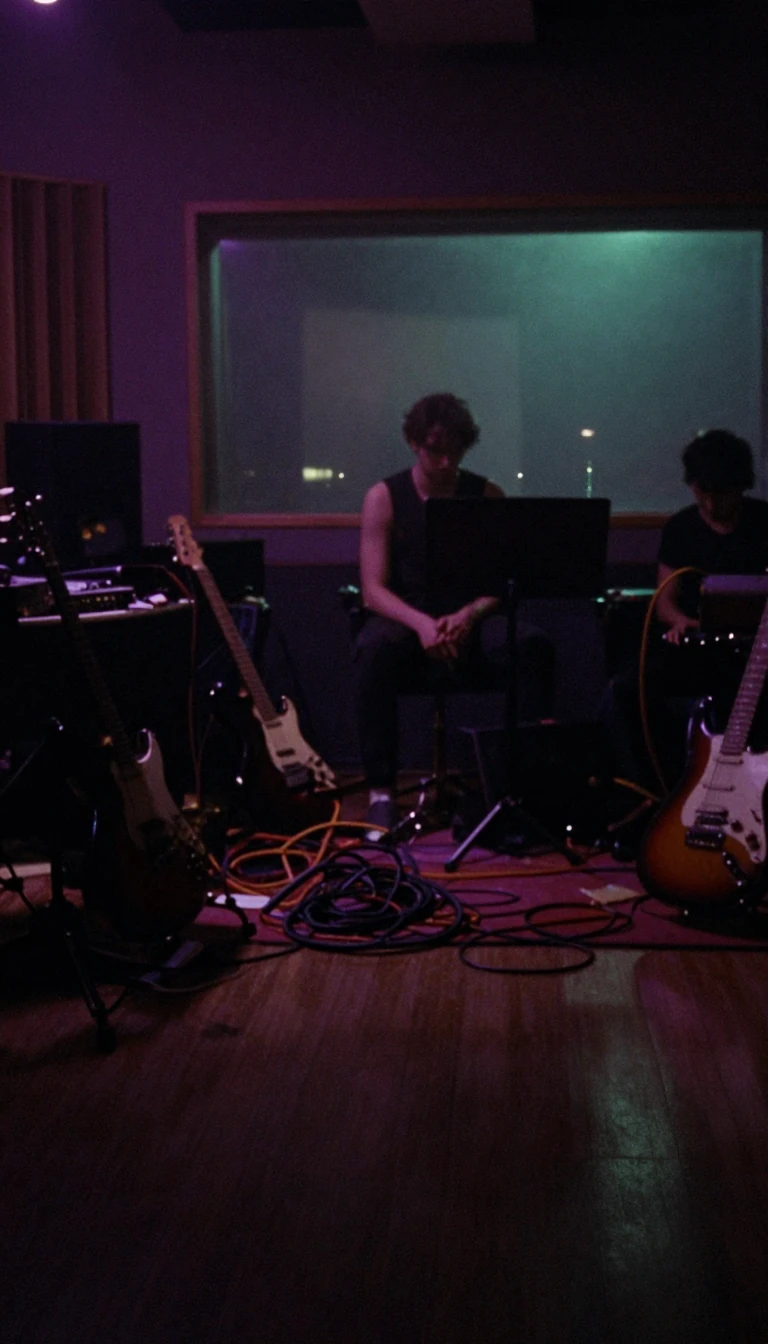
When Blondie entered New York’s Record Plant in June 1978, the atmosphere was volatile. Producer Mike Chapman, brought in to refine the band’s raw new wave energy, found himself clashing with members who were often stoned, lacked timing, or simply refused to work hard. The tension was so high that bassist Nigel Harrison once threw a synthesizer at Chapman, and lead singer Debbie Harry frequently retreated to the bathroom in tears. Chapman later described the band as juvenile and difficult, yet he remained committed to his goal of crafting a polished pop record rather than a punk one.
Despite the dysfunction, the studio sessions were a masterclass in technical innovation. Chapman utilized unconventional methods, such as manually erasing tape to tighten bass lines against the kick drum, and spent hours re-recording guitar parts to ensure perfection. Because many songs were unfinished, Harry often wrote lyrics on the spot while Chapman waited for her to be ready to record. This pressure-cooker environment forced the band to abandon their previous cartoonish, postmodern style in favor of a new, romantic fatalism that resonated deeply with listeners.
The result was a commercial juggernaut. Parallel Lines reached number one in the UK and became the band’s breakthrough in the United States. Tracks like the disco-influenced Heart of Glass showcased a sophisticated, circular rhythm that helped transform Blondie into global superstars. Critics eventually hailed the album as a creative masterpiece, noting that it successfully bridged the gap between punk, new wave, and pure pop. By 2024, the Library of Congress recognized its enduring cultural significance by selecting it for preservation in the National Recording Registry.
The album’s legacy is cemented by its iconic cover art, which features a defiant Harry standing in front of her smiling, suit-clad bandmates. While the band initially rejected the photo, it became an instantly recognizable symbol of the era. Decades later, the album remains a staple on lists of the greatest records of all time, proving that even the most fractured creative relationships can yield timeless art.
Opens the Intellect+ feed with this card first. Swipe up for the next one.
Sources
- Summary by Intellect · source: Parallel Lines
To cite this card, link to https://intellectplus.co.uk/app/culture-parallel-lines.
How we source, check and correct cards: Editorial standards.
General information, not professional advice. Spotted an error? Flag the card or see corrections and complaints.
Intellect Plus is a visual educational discovery platform for exploring fascinating facts and ideas. Brain Food, Not Brain Rot. What is Intellect Plus?
Related
More in US culture · More in Cultures · Latest · A–Z · All topics
