When a London neighborhood declared independence to escape post-war rationing and bureaucratic red tape
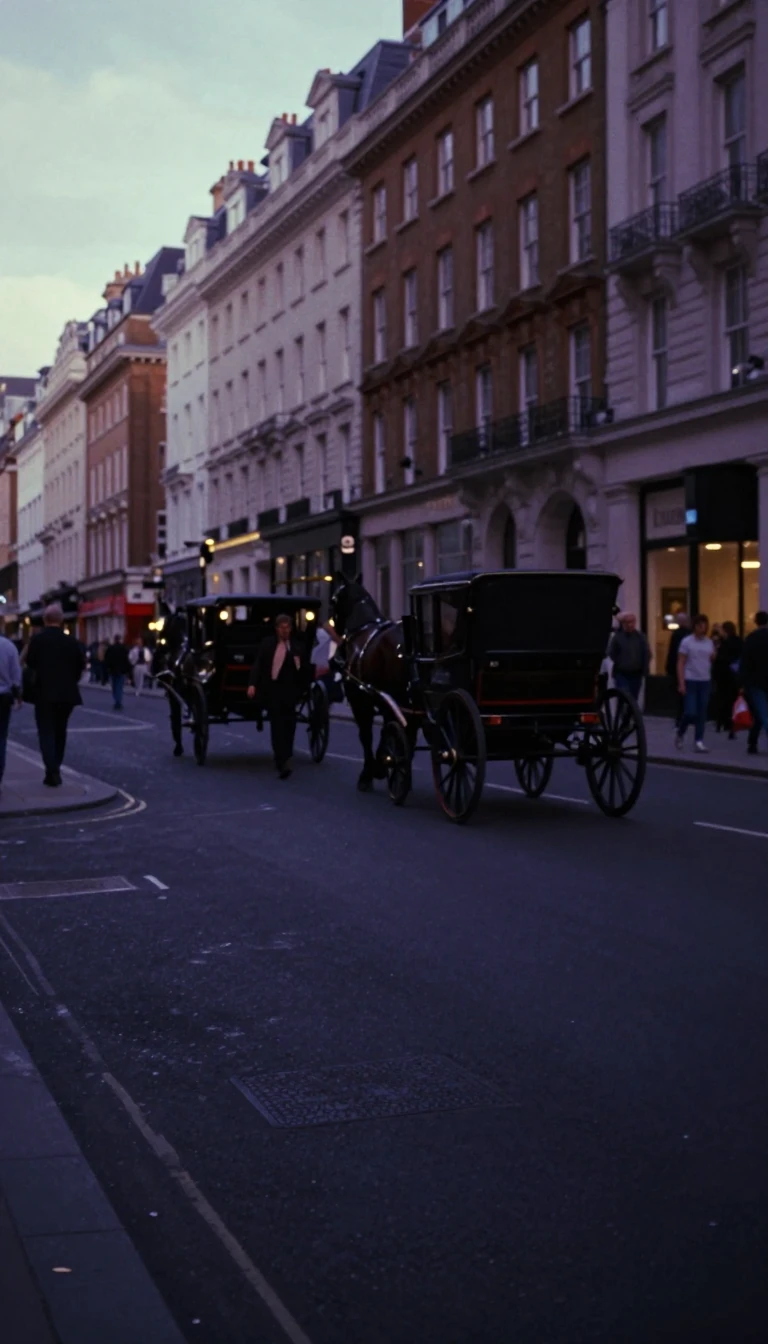
In short: In the 1949 comedy Passport to Pimlico, a bomb blast unearths a medieval charter, revealing that a slice of London is technically part of Burgundy. The residents seize this loophole to bypass post-war austerity, sparking a surreal standoff with the British government that mirrors the era's real-world tensions.
The film, produced by Ealing Studios, was born from screenwriter T. E. B. Clarke’s fascination with a wartime incident where a Canadian hospital ward was declared foreign soil to protect a royal succession. In the story, the discovery of a royal charter from Edward IV allows a Pimlico enclave to claim immunity from the strict rationing and government oversight that defined British life in the late 1940s. This premise serves as a lens for examining the English character, blending individualist defiance with a nostalgic longing for the social unity experienced during the Second World War.
The production itself was as chaotic as the plot. Although set during the 1947 heatwave, filming occurred during the exceptionally wet summer of 1948, leading to significant delays and friction between director Henry Cornelius and producer Michael Balcon. The outdoor scenes were not filmed in Pimlico but on a bomb-damaged site in Lambeth, which had to be restored to its ruined state afterward so residents could claim compensation. Despite these hurdles, the film became a quintessential Ealing comedy, celebrated for its wit and its ability to capture the spirit of a nation navigating the transition from wartime crisis to peacetime bureaucracy.
Critics and scholars have long debated the film's message. Some view it as a progressive satire that champions community autonomy, while others see it as a conservative fantasy that ultimately reaffirms the necessity of state control, as evidenced by the characters' return to ration books at the end. Its influence has been enduring, inspiring everything from radio adaptations to the 2019 Spanish film The Little Switzerland and even influencing the 1977 secession attempt of Frestonia in London. The film remains a clever, if slightly feverish, reflection on the tension between local identity and the reach of the state.
Opens the Intellect+ feed with this card first. Swipe up for the next one.
Sources
- Summary by Intellect · source: Passport to Pimlico
To cite this card, link to https://intellectplus.co.uk/app/culture-passport-to-pimlico.
How we source, check and correct cards: Editorial standards.
General information, not professional advice. Spotted an error? Flag the card or see corrections and complaints.
Intellect Plus is a visual educational discovery platform for exploring fascinating facts and ideas. Brain Food, Not Brain Rot. What is Intellect Plus?
Related
More in Clothing and fashion · More in Cultures · Latest · A–Z · All topics
