In the Himalayas, a remote mountain temple is known as the Land of Miracles
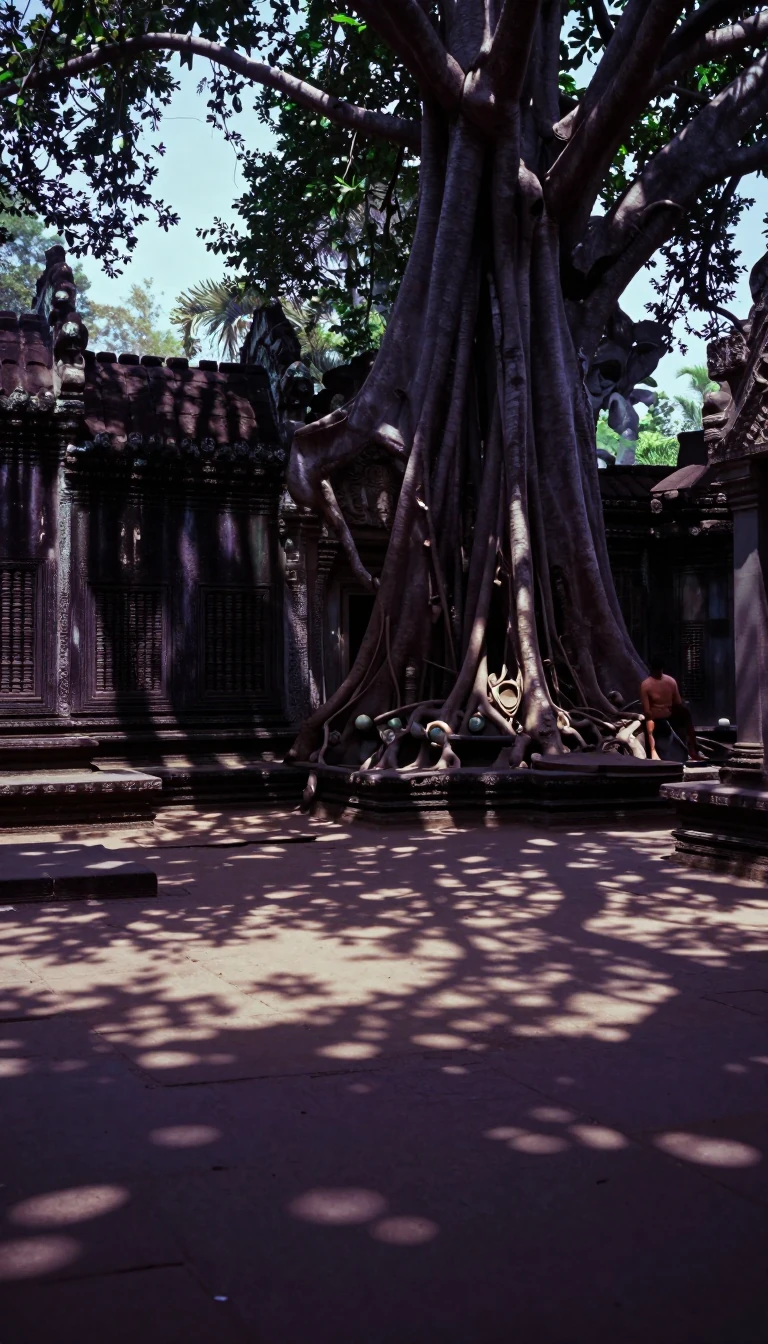
In short: Perched on a peak in the Pauri Garhwal district, the Danda Nagraja temple draws pilgrims who believe the deity, appearing as a snake, protects the region from misfortune. Devotees hang thousands of bells as tokens of gratitude, creating a unique soundscape in the high-altitude forest of this rugged Indian landscape.
Pauri Garhwal district, located in the Indian state of Uttarakhand, spans 5,230 square kilometres across the Lower Himalayas and the Gangetic plain. Its history is deeply rooted in the legacy of the Katyuri kings, who ruled from 800 to 1100, followed by the unification of the region under King Ajaypal in the late 15th century. The area later endured the brutal Gorkha invasion of 1803, which ended in 1815 when the British established control over the eastern portion of the region.
The district is a cultural mosaic where the vast majority of the population follows Hinduism, alongside a small Muslim minority. Linguistically, Garhwali is the predominant first language, spoken by 83.3% of the population, while Hindi, Nepali, and Kumaoni are also represented. This cultural identity is expressed through unique local traditions, such as the annual festival in the villages of Gwarh and Khothgee, where residents lower a wooden effigy called 'Badi' down a hill by rope.
The Danda Nagraja temple, situated in Lasera village, serves as a focal point for this spiritual landscape. The name translates to 'Nagraja on the Peak,' reflecting its location at the top of a hill. Local legend holds that Lord Krishna arrived here in the form of a snake, and devotees believe the deity possesses the power to foresee and warn against impending disasters. The site is famous for the thousands of bells donated by pilgrims from as far as the US and UK, who visit to offer jaggery and seek blessings in what locals proudly call the 'Land of Miracles.'
Administratively, the district has evolved significantly, with its current form established in 1998 following the creation of Rudraprayag district. Today, it remains a rugged, mountainous region with limited infrastructure, where bus and taxi services are the primary modes of transport. Despite the challenges of its terrain, the district remains a significant center for education and pilgrimage, housing institutions like the National Institute of Technology Uttarakhand and ancient shrines that continue to shape the daily lives of its people.
Opens the Intellect+ feed with this card first. Swipe up for the next one.
Sources
- Summary by Intellect · source: Pauri Garhwal district
To cite this card, link to https://intellectplus.co.uk/app/culture-pauri-garhwal-district.
How we source, check and correct cards: Editorial standards.
General information, not professional advice. Spotted an error? Flag the card or see corrections and complaints.
Intellect Plus is a visual educational discovery platform for exploring fascinating facts and ideas. Brain Food, Not Brain Rot. What is Intellect Plus?
Related
More in Language · More in Cultures · Latest · A–Z · All topics
