The ancient, spineless cactus that serves as a sacred bridge to the divine
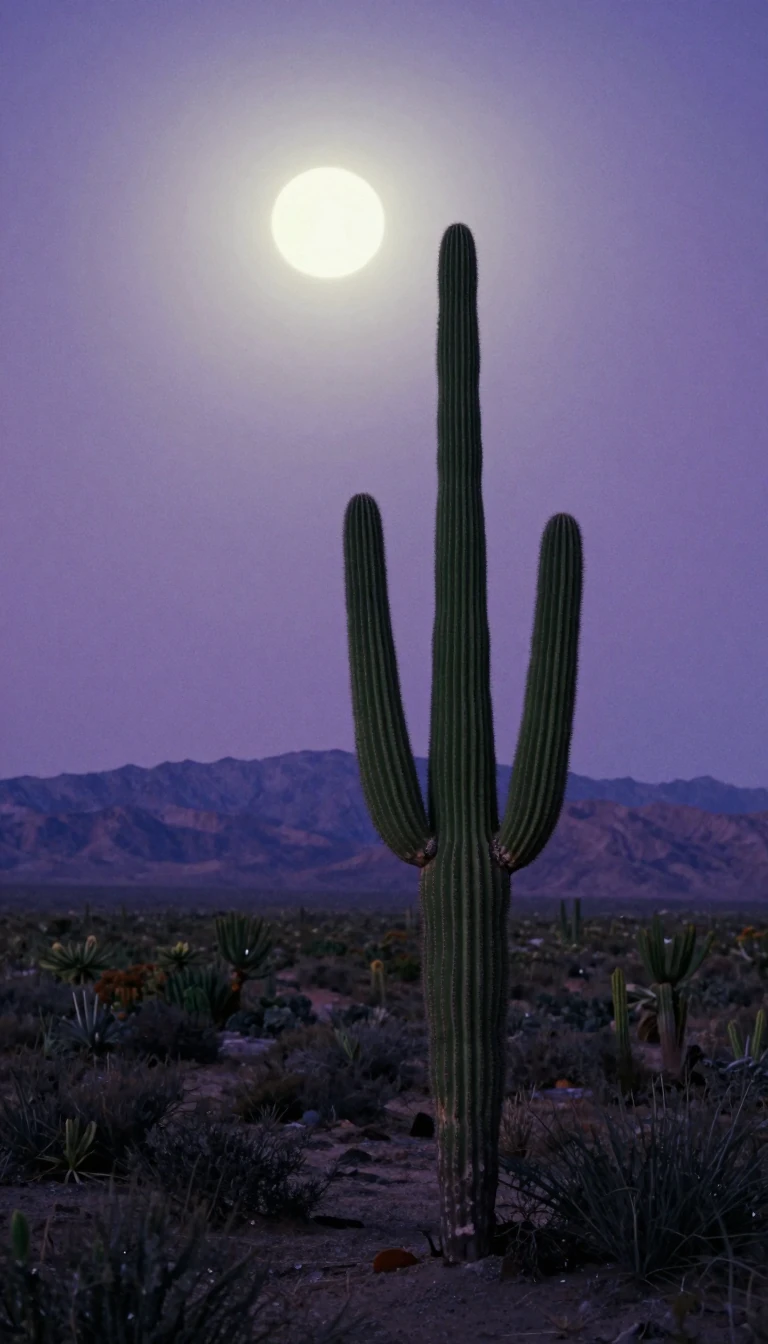
In short: Peyote is a slow-growing, spineless cactus native to the Chihuahuan Desert, containing mescaline and over 50 other alkaloids. For thousands of years, Indigenous peoples have used it as a visionary sacrament. Today, it remains a protected element of religious practice, bridging the gap between ancient tradition and modern legal frameworks.
Known scientifically as Lophophora williamsii, this small, blue-green cactus has been utilized by Indigenous groups for over 5,000 years. Archaeological evidence from Texas, specifically radiocarbon dating of specimens from Shumla Cave, confirms its use as early as 3780 BCE. The plant is deeply integrated into the spiritual lives of groups like the Wixarika, who view it as the soul of their religion, and the Native American Church, which treats it as a divine sacrament used in all-night healing ceremonies.
The cactus is chemically complex, containing a wide spectrum of phenethylamine alkaloids. While mescaline is the primary psychoactive component responsible for its visionary effects, the plant also contains pellotine, which acts as a sedative. Despite its potency, studies have found little evidence of long-term cognitive damage among regular participants in religious ceremonies. However, the plant is not without physical risks, as it can cause significant changes in heart rate and blood pressure, and its use has occasionally been linked to adverse reactions in individuals with pre-existing mental health conditions.
Conservation is a growing concern, as wild populations in south Texas have declined due to over-harvesting. Because the plant takes up to ten years to reach maturity, cultivation and grafting techniques are being promoted as vital alternatives to protect the species. Meanwhile, the legal status of peyote remains unique. While mescaline is a controlled substance, U.S. federal law and regulations, such as 21 CFR 1307.31, provide specific exemptions for its use in authentic religious rituals, ensuring that this ancient practice continues to be protected under the law.
Opens the Intellect+ feed with this card first. Swipe up for the next one.
Sources
- Summary by Intellect · source: Peyote
To cite this card, link to https://intellectplus.co.uk/app/culture-peyote.
How we source, check and correct cards: Editorial standards.
General information, not professional advice. Spotted an error? Flag the card or see corrections and complaints.
Intellect Plus is a visual educational discovery platform for exploring fascinating facts and ideas. Brain Food, Not Brain Rot. What is Intellect Plus?
Related
More in US culture · More in Cultures · Latest · A–Z · All topics
