Why did the world's greatest navigators suddenly stop sailing for 1,700 years?
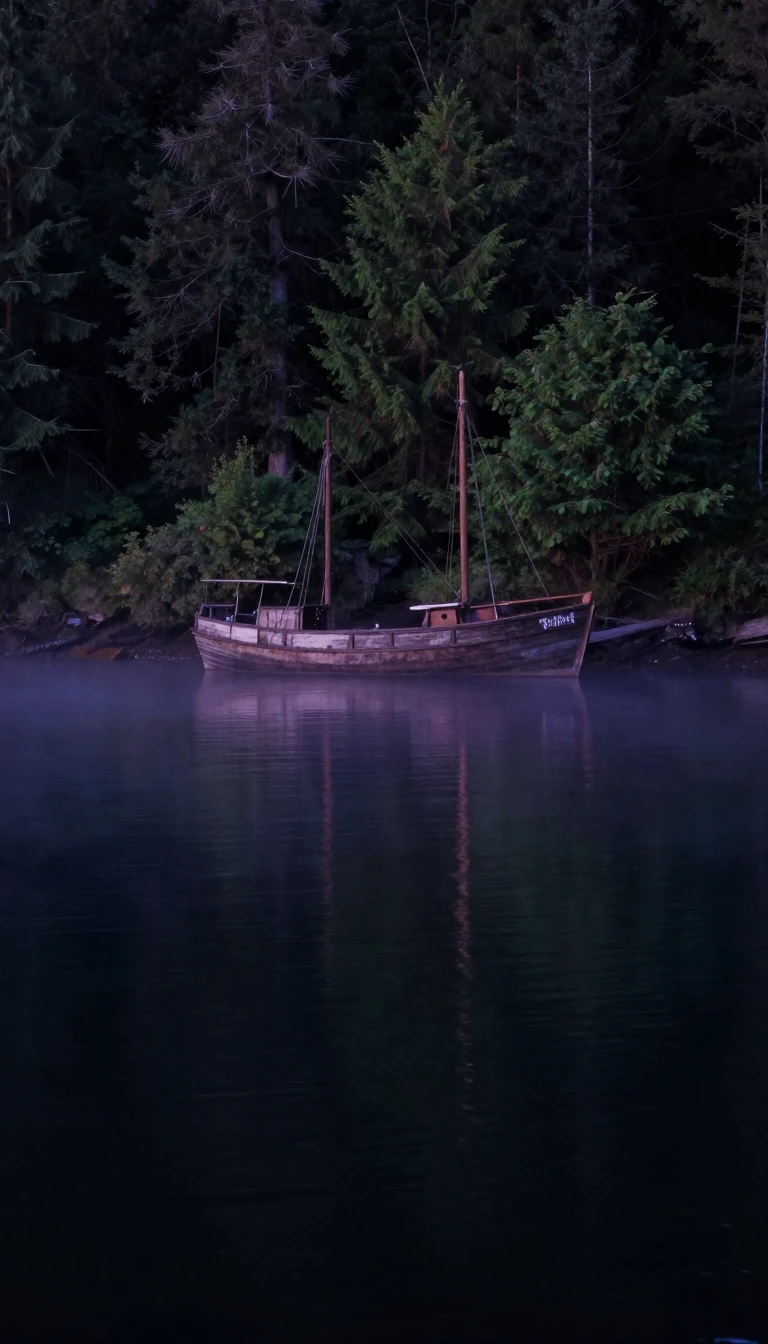
In short: Polynesians were the ancient world's premier mariners, crossing vast oceans without instruments. Yet, after rapidly colonizing western islands, they inexplicably halted their expansion for nearly two millennia. New research suggests this 'Long Pause' ended when climate shifts forced these master voyagers to chase favorable rains toward new, lush horizons.
The ancestors of modern Polynesians, associated with the Neolithic Lapita culture, reached Fiji, Samoa, and Tonga by around 900 BC. For the next 1,500 years, this remained the limit of their eastward expansion. During this period, the Lapita people mysteriously abandoned their signature dentate-stamped pottery. This hiatus, known as the 'Long Pause,' has long puzzled archaeologists, as these people possessed the sophisticated maritime technology—including catamarans and outrigger boats—required to traverse the Pacific.
Recent analysis of ancient lake sediment provides a compelling explanation for the resumption of travel around 900 AD. Researchers found that the western Pacific experienced severe 'drying shocks' and multi-decade droughts during this time. Conversely, eastern islands like the Marquesas and the Cook Islands enjoyed lusher, more hospitable conditions. Scientists hypothesize that these climate-driven disparities prompted Polynesian fleets to venture eastward, effectively 'chasing the rains' to find better soil for their staple crops, such as coconuts and bananas.
Other factors likely complemented this climatic push. Biological anthropologists point to evidence of rapid population growth in Samoa around 1,000 years ago, which may have strained local food supplies. Additionally, some experts suggest that advancements in canoe design allowed for safer voyages against the wind. This second era of exploration, lasting until roughly 1250 AD, saw the settlement of Hawaii, Easter Island, and finally New Zealand. Today, genetic and linguistic evidence confirms that these voyagers were part of a broader Austronesian migration that originated in Taiwan, distinct from the debunked theories of South American origins.
The legacy of these navigators persists in their descendants, who number approximately 2 million today. While they share a common Austronesian heritage, their history is marked by a unique founder effect and genetic drift, resulting in a distinct population. Their ability to read stars, currents, and bird movements remains a testament to a culture that mastered the largest ocean on Earth long before the arrival of European explorers.
Opens the Intellect+ feed with this card first. Swipe up for the next one.
Sources
- Summary by Intellect · source: Polynesians
- Also: Ancient Polynesians Took a 1,700-Year Break From Voyaging. This Is Why They Returned to the Sea.
To cite this card, link to https://intellectplus.co.uk/app/culture-polynesians.
How we source, check and correct cards: Editorial standards.
General information, not professional advice. Spotted an error? Flag the card or see corrections and complaints.
Intellect Plus is a visual educational discovery platform for exploring fascinating facts and ideas. Brain Food, Not Brain Rot. What is Intellect Plus?
Related
More in Peoples & civilisations · More in Cultures · Latest · A–Z · All topics
