The architectural art of surviving high treason in Elizabethan England
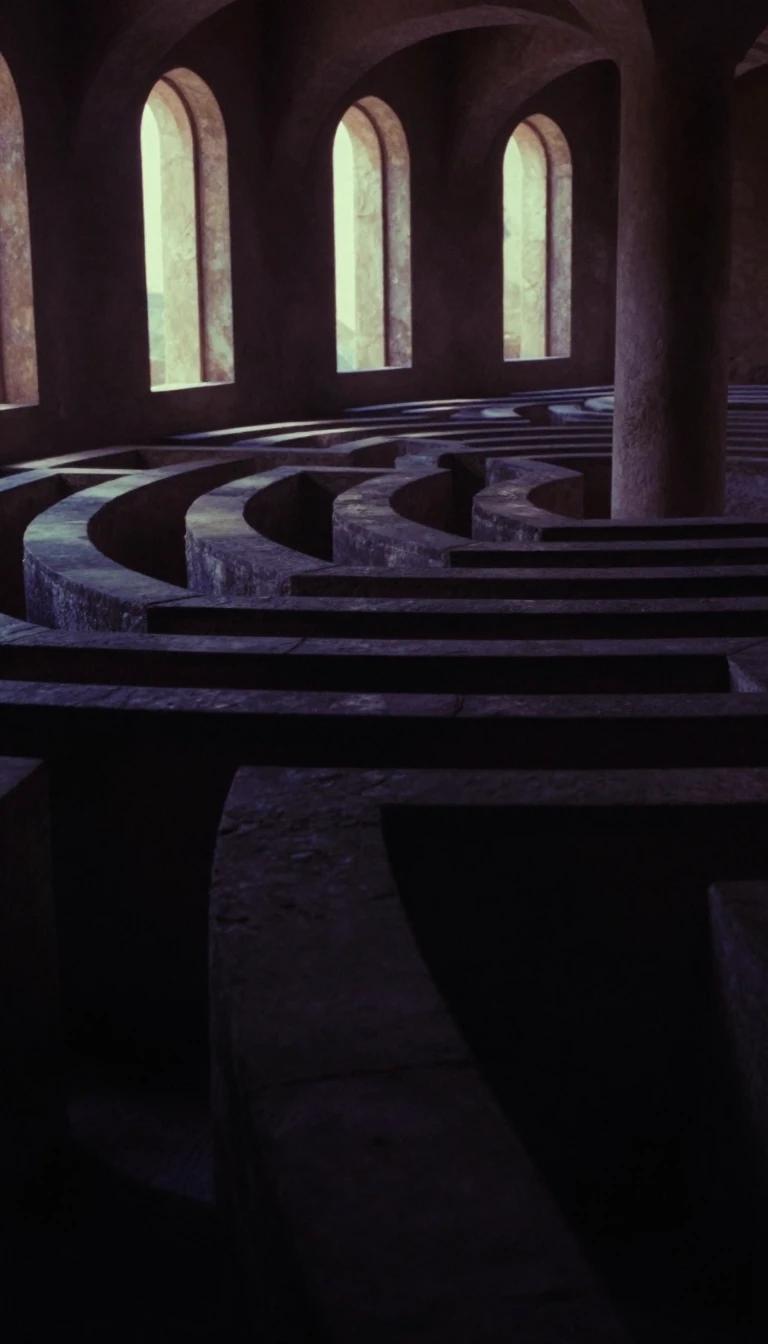
In short: In the late 16th century, sheltering a Catholic priest was a crime punishable by death. To survive, a specialized class of builders emerged, transforming manor houses into complex labyrinths of secret compartments designed to baffle even the most determined state hunters.
Following Queen Elizabeth I’s accession in 1558, religious tensions in England and Wales escalated into a legal crackdown. The 1584 Jesuits, etc. Act transformed the act of providing refuge for priests into high treason, a crime carrying the penalty of hanging, drawing, and quartering. As the state deployed 'pursuivants'—specialized priest hunters—to locate clergy, the Catholic community responded by turning domestic architecture into a defensive tool.
The most skilled architect of these escapes was the Jesuit lay brother Nicholas Owen. His work moved beyond simple hiding spots to sophisticated 'conveyances'—spaces large enough for a person—and 'secret corners' for sacred vessels. While early hides were rudimentary, such as spaces under latrines or inside hollow trees, Owen’s later designs were integrated deep within the fabric of buildings. He even famously repurposed a sewer at Baddesley Clinton to create a functional hiding place.
The effectiveness of these architectural interventions is reflected in the shifting statistics of the era. While the number of active priests grew from 130 in 1586 to 400 by 1610, the number of executions steadily declined. This drop from roughly 100 executions in the 1580s to just 3 by the 1620s suggests that these hidden chambers successfully disrupted the state's ability to capture the clergy. However, the cost of this ingenuity was often high; Owen himself was eventually captured at Hindlip Hall and died under torture in the Tower of London.
Opens the Intellect+ feed with this card first. Swipe up for the next one.
Sources
- Summary by Intellect · source: Priest hole
To cite this card, link to https://intellectplus.co.uk/app/culture-priest-hole.
How we source, check and correct cards: Editorial standards.
General information, not professional advice. Spotted an error? Flag the card or see corrections and complaints.
Intellect Plus is a visual educational discovery platform for exploring fascinating facts and ideas. Brain Food, Not Brain Rot. What is Intellect Plus?
Related
More in Traditions & customs · More in Cultures · Latest · A–Z · All topics
