Why progressive house became the most debated label in electronic dance music history
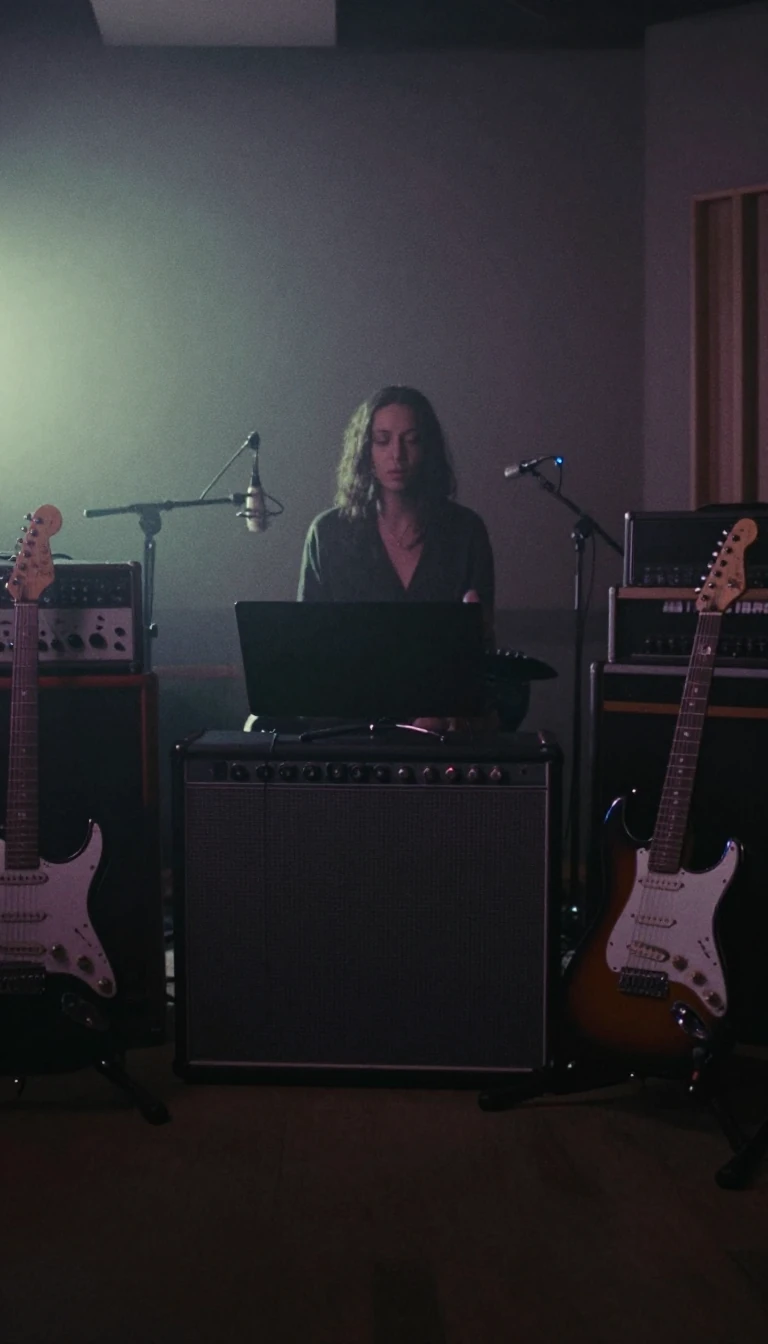
In short: Emerging in the early 1990s as a departure from American acid house, progressive house was originally a marketing term for thoughtful, atmospheric British dance music. Today, the genre is split between its roots in gradual, layered production and the high-impact, mainstream festival sound that dominates modern global arenas.
The term progressive has a long history of signaling artistic ambition. In the 1970s, it distinguished experimental rock from mainstream styles, often by incorporating classical elements. By the early 1980s, Detroit DJs used the label to describe Italo disco, which drew from Giorgio Moroder’s Euro disco rather than the symphonic sounds of Philadelphia soul. By 1990, the term migrated to the United Kingdom, where it became a buzzword for a new breed of house music that felt more thoughtful and trancey than the traditional Chicago acid house sound.
Early pioneers like Leftfield, whose 1990 track Not Forgotten is often cited as a foundational production, helped define a sound characterized by rhythmic layers rather than the anthemic crescendos of trance. Labels such as Guerilla Records, Deconstruction Records, and Hooj Choons were instrumental in the genre's development. By 1994, compilations like Renaissance: The Mix Collection helped solidify the genre's identity. However, the label was not without its critics; DJ Dave Seaman famously noted that by the early 2000s, the genre had become self-important and boring, mirroring the perceived decline of progressive rock.
The 2010s brought a significant shift as digital marketplaces and industry rankings grouped diverse styles under the progressive house banner. This created a divide between the original, atmospheric style—championed by artists like Eric Prydz and Deadmau5—and the high-energy festival progressive house associated with Avicii and Swedish House Mafia. Today, the genre is often blurred, with true progressive house sometimes masquerading as tech or deep house. Despite these changes, the core aesthetic remains rooted in the four-on-the-floor rhythm, utilizing extended build-ups and the subtle addition or subtraction of sound layers to build intensity.
Opens the Intellect+ feed with this card first. Swipe up for the next one.
Sources
- Summary by Intellect · source: Progressive house
To cite this card, link to https://intellectplus.co.uk/app/culture-progressive-house.
How we source, check and correct cards: Editorial standards.
General information, not professional advice. Spotted an error? Flag the card or see corrections and complaints.
Intellect Plus is a visual educational discovery platform for exploring fascinating facts and ideas. Brain Food, Not Brain Rot. What is Intellect Plus?
Related
More in US culture · More in Cultures · Latest · A–Z · All topics
