The desert community that ate as a prophecy of the future
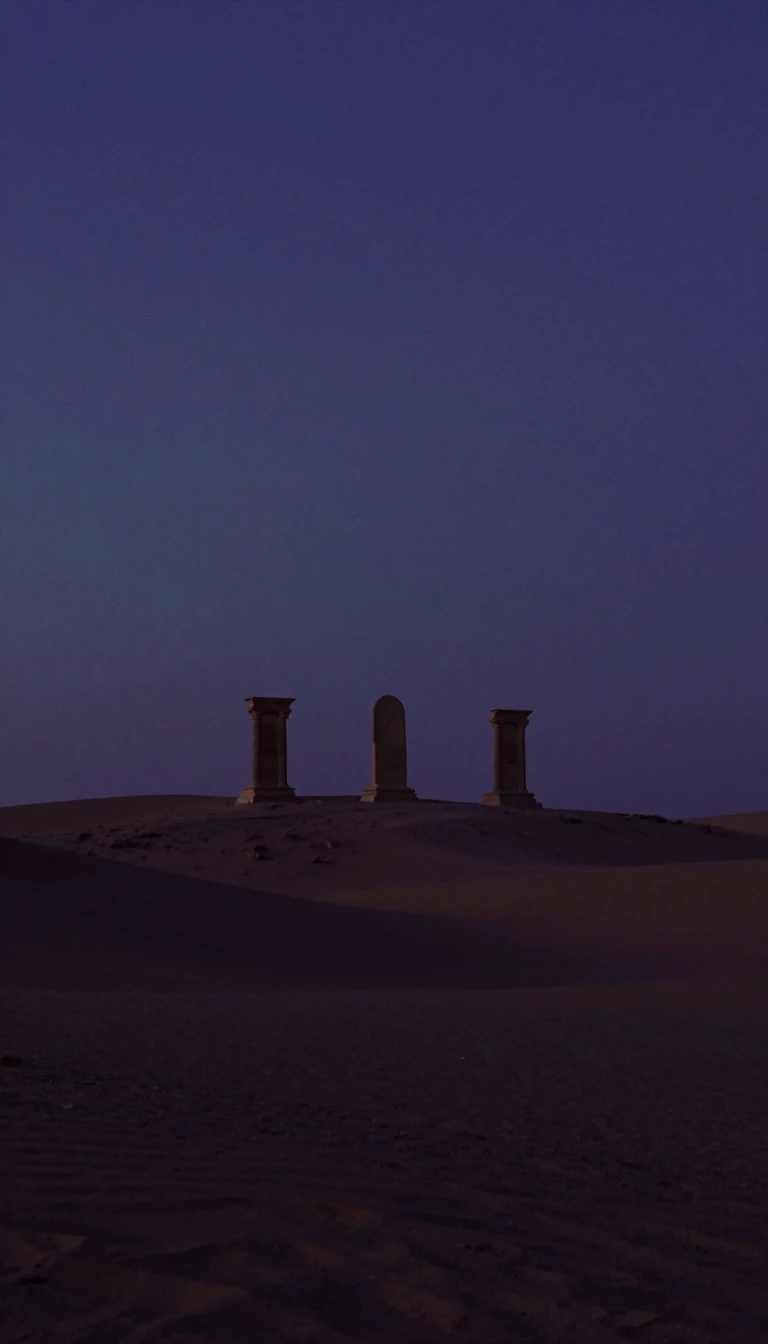
In short: Hidden in the cliffs of the Dead Sea, an ancient sect lived in isolation, practicing rituals of repentance and communal dining. Their abandoned ruins and mysterious scrolls suggest a life defined by apocalyptic visions and a struggle for religious purity.
The archaeological site of Khirbet Qumrān, located on the northwestern shore of the Dead Sea, has been a focal point of historical inquiry since the first Dead Sea Scrolls were discovered in the caves nearby in 1947. Excavations led by French archaeologist Roland de Vaux in the 1950s revealed a complex of structures, including a large rectangular building with a massive stone and brick tower, an extensive aqueduct system, and eight internal reservoirs. The site also contained a scriptorium—a writing room equipped with mud-brick tables and inkwells—and a pantry stocked with hundreds of pottery jars.
Scholars largely identify the inhabitants as the Essenes, a Jewish sect that separated from the mainstream community in the 2nd century BCE following the usurpation of the high priesthood by the Maccabean leaders, Jonathan and Simon. This community, led by the 'Teacher of Righteousness,' sought refuge in the wilderness to escape persecution. Their lifestyle was deeply ritualistic; they practiced baptisms symbolizing repentance and held communal meals that served as prophetic celebrations of a messianic banquet. Their existence was centered on manual labor, prayer, and the study of Scriptures, driven by apocalyptic visions of a future where the true priesthood would overthrow wicked Jerusalem.
The site's history is marked by both natural and political upheaval. While the community flourished during the reigns of Simon Maccabeus and John Hyrcanus, an earthquake in 31 BCE and a fire caused temporary abandonment during the reign of Herod the Great. The settlement was eventually destroyed by Roman legions under Vespasian in 68 CE, though the site remained a garrison for Roman soldiers until about 73 CE. Later, during the Bar Kokhba Revolt (132–135 CE), the ruins served as a base for Jewish rebels.
Opens the Intellect+ feed with this card first. Swipe up for the next one.
Sources
- Summary by Intellect · source: Qumrān | Caves, Scrolls, Map, & Meaning | Britannica
- Also: Qumran
To cite this card, link to https://intellectplus.co.uk/app/culture-qumran.
How we source, check and correct cards: Editorial standards.
General information, not professional advice. Spotted an error? Flag the card or see corrections and complaints.
Intellect Plus is a visual educational discovery platform for exploring fascinating facts and ideas. Brain Food, Not Brain Rot. What is Intellect Plus?
Related
More in Festivals & celebrations · More in Cultures · Latest · A–Z · All topics
