How R. D. Burman revolutionized Indian film music using beer bottles and sandpaper
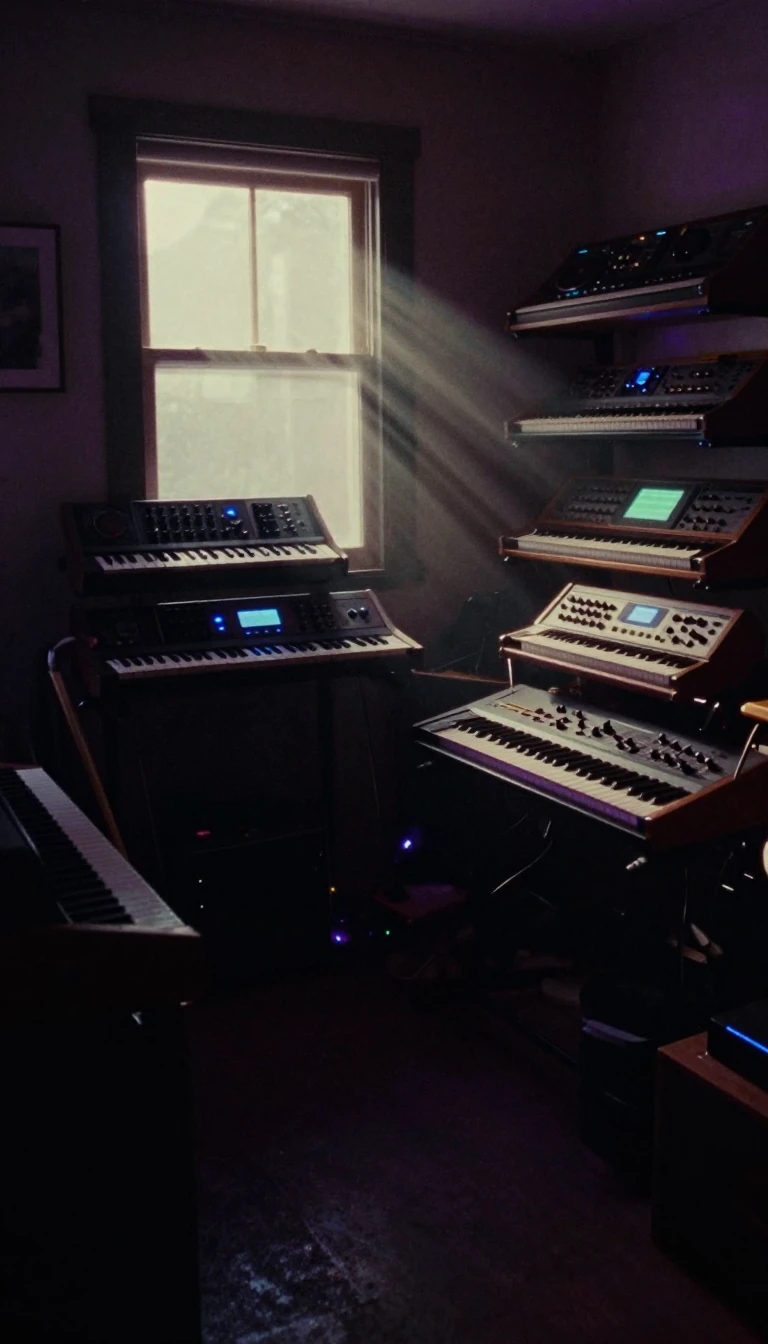
In short: Known as Pancham, R. D. Burman transformed Hindi cinema with a sound that blended electronic rock, jazz, and Bengali folk. He was a master of sonic experimentation, famously using household objects like cups, saucers, and even gargling voices to craft the unique textures that defined a generation of Indian film music.
Born in 1939 to composer S. D. Burman, Rahul Dev Burman—nicknamed Pancham—became a titan of the Hindi and Bengali film industries. His career spanned from the 1960s to the 1990s, during which he composed scores for 331 films. He was instrumental in shaping the careers of legendary playback singers like Kishore Kumar, who became the voice of superstar Rajesh Khanna through Burman's guidance. His work was characterized by frenetic pacing and upbeat rhythms, often incorporating diverse global influences including Latin, Arabic, and Western dance music.
Burman's creative process was defined by an obsessive pursuit of novel sounds. Beyond traditional orchestration, he experimented with unconventional methods to build his soundscapes. He famously blew into beer bottles for the opening of "Mehbooba, Mehbooba," used tinkling cups and saucers for "Chura Liya Hai," and rubbed sandpaper or combs to create percussive effects. These techniques, often introduced to him by studio pianist Kersi Lord, allowed him to weave complex, layered arrangements that stood out in the landscape of Indian cinema.
While Burman faced persistent accusations of plagiarism throughout his career, researchers like Vishwas Nerurkar have argued that such instances were rare—likely fewer than 30 songs out of a prolific output of over 1,500. Critics often note that even when he drew inspiration from foreign tunes, he applied such dexterity and skill that the resulting compositions were fundamentally his own. His legacy remains profound; he is remembered as a revolutionary who bridged the gap between traditional Indian melodies and modern, globalized musical sensibilities.
The impact of his work persists long after his 1994 death. His music continues to be celebrated through tributes, documentaries like "Pancham Unmixed," and frequent remixes by global DJs. In 1995, the Filmfare Awards established the R. D. Burman Award for New Music Talent to honor his influence on upcoming artists. Today, his compositions remain staples in Indian pubs and discos, proving that his innovative approach to sound design was not just a product of his time, but a timeless contribution to the craft of film scoring.
Opens the Intellect+ feed with this card first. Swipe up for the next one.
Sources
- Summary by Intellect · source: R. D. Burman
To cite this card, link to https://intellectplus.co.uk/app/culture-r-d-burman.
How we source, check and correct cards: Editorial standards.
General information, not professional advice. Spotted an error? Flag the card or see corrections and complaints.
Intellect Plus is a visual educational discovery platform for exploring fascinating facts and ideas. Brain Food, Not Brain Rot. What is Intellect Plus?
Related
More in Festivals & celebrations · More in Cultures · Latest · A–Z · All topics
