From chemical weapons to space flight: the strange evolution of Redstone Arsenal
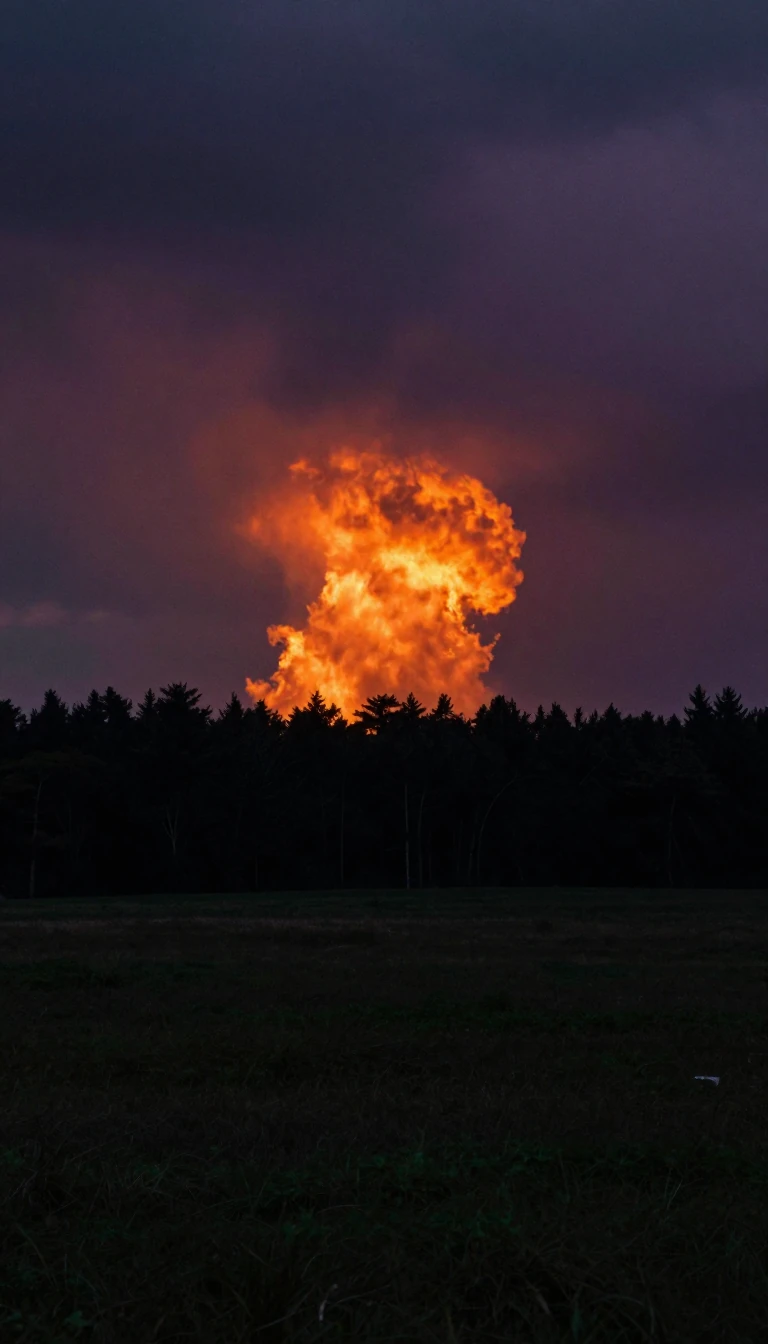
In short: Established in 1941 as a chemical manufacturing site, Redstone Arsenal transformed into the epicenter of American rocket development. By recruiting German scientists after World War II, the base shifted from producing mustard gas to pioneering the ballistic missiles and space launch vehicles that defined the Cold War era.
Redstone Arsenal began as the Huntsville Arsenal, a massive chemical weapons plant established by the War Department in 1941. To clear the land, the military displaced over 550 families, including hundreds of tenant farmers and sharecroppers. During World War II, the facility produced over 27 million items of chemical munitions, including phosgene and mustard gas, earning the Army-Navy E Award four times for its output.
The post-war era brought a radical shift in mission. Under Operation Paperclip, the U.S. brought 127 German rocket scientists, including Wernher von Braun, to the site to develop ballistic missiles. By 1950, the Ordnance Guided Missile Center was established at the arsenal, focusing on surface-to-surface missiles. This work eventually produced the PGM-11 Redstone rocket, which served as the foundation for both military capabilities and early space exploration efforts.
The arsenal's influence extended into the highest levels of Cold War strategy. The Army Ballistic Missile Agency, formed in 1956, developed the Jupiter intermediate-range ballistic missile. Its deployment to Turkey became a pivotal factor in the 1962 Cuban Missile Crisis. Meanwhile, the arsenal's technical team eventually transitioned into the newly formed NASA, cementing the site's role as the primary location for space launch vehicle design throughout the 1960s.
Today, the installation serves as a massive hub for over 75 tenant agencies, including NASA’s Marshall Space Flight Center and the FBI. Beyond its modern military and scientific functions, the site preserves a deep history, maintaining 46 historic cemeteries and archiving 651 prehistoric archaeological sites, some dating back to the Paleo-Indian period. This blend of ancient history, industrial warfare, and space-age innovation makes Redstone Arsenal a unique intersection of American development.
Opens the Intellect+ feed with this card first. Swipe up for the next one.
Sources
- Summary by Intellect · source: Redstone Arsenal
To cite this card, link to https://intellectplus.co.uk/app/culture-redstone-arsenal.
How we source, check and correct cards: Editorial standards.
General information, not professional advice. Spotted an error? Flag the card or see corrections and complaints.
Intellect Plus is a visual educational discovery platform for exploring fascinating facts and ideas. Brain Food, Not Brain Rot. What is Intellect Plus?
Related
More in Festivals & celebrations · More in Cultures · Latest · A–Z · All topics
