Pakistan is defined by its Islamic identity, but its religious landscape remains deeply complex.
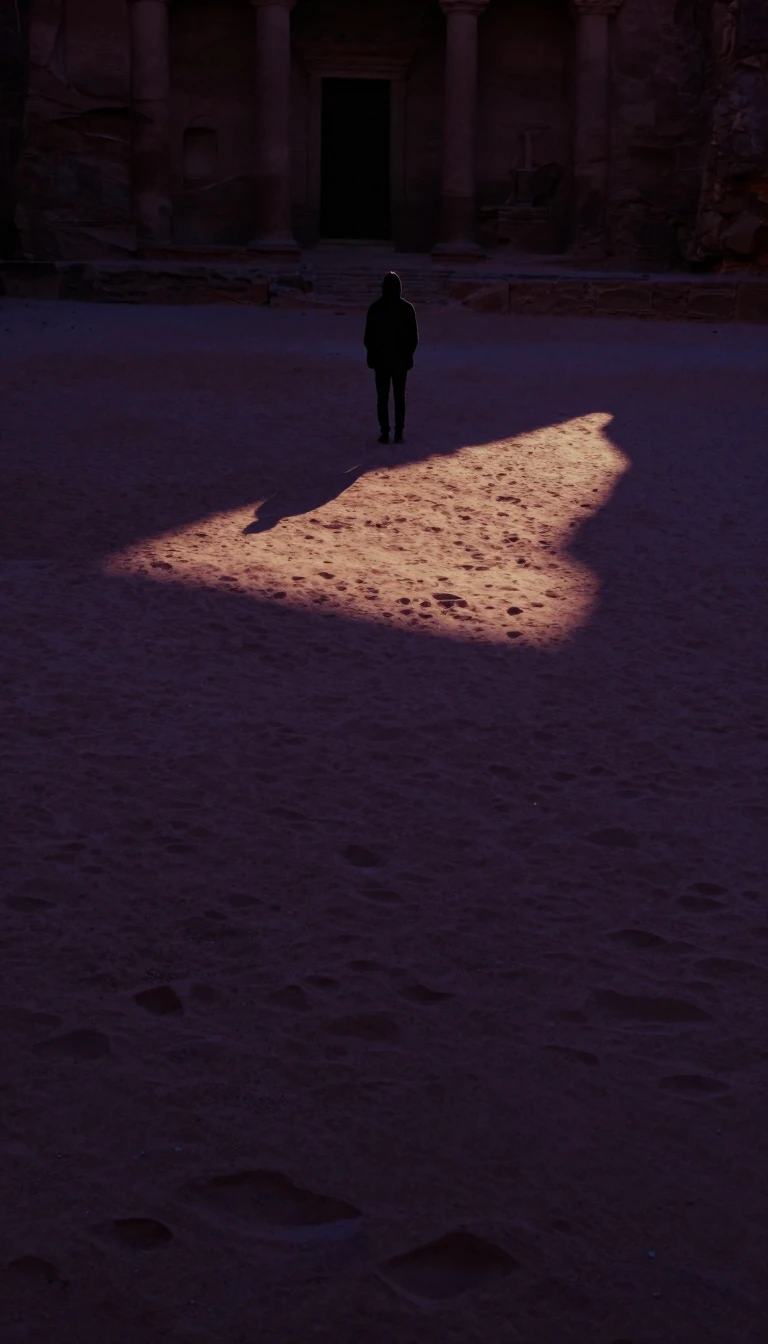
In short: While 96% of Pakistanis are Muslim, the nation’s religious fabric is woven with diverse sects, ancient pre-Islamic roots, and significant minority communities. From the influence of Sufi shrines to the legal status of the Ahmadiyya, religion shapes everything from constitutional law to the daily lives of millions.
Islam is the state religion of Pakistan, with the Constitution requiring all laws to align with the Quran and Sunnah. The vast majority of the population, estimated between 90% and 95%, practices Sunni Islam, primarily following the Hanafi school of jurisprudence. Shia Muslims make up a smaller percentage, with most belonging to the Twelver branch, alongside significant groups like the Ismailis. Despite this majority, the country hosts a rich history of pre-Islamic faiths, including Hinduism, Buddhism, and Zoroastrianism, which predated the arrival of Islam in the 8th century.
The role of religion is institutionalized through the Constitution, which restricts the highest offices of President and Prime Minister to Muslims. The Federal Shariat Court holds the power to strike down laws deemed un-Islamic, though its decisions can be reviewed by the Supreme Court. A notable point of contention involves the Ahmadiyya community. Although they self-identify as Muslims, a 1974 constitutional amendment declared them non-Muslims, and subsequent ordinances prohibit them from calling themselves Muslim or posing as such, subjecting them to legal persecution.
Sufism remains a powerful, popular tradition, characterized by hereditary networks of holy men known as pīrs and vibrant shrine culture. However, this mystical practice often faces criticism from fundamentalist groups, leading to tensions and occasional violence. Meanwhile, the educational landscape is heavily influenced by madrasas, with the Deobandi movement playing a significant role in shaping discourse, particularly in regions like Khyber Pakhtunkhwa and Balochistan. These dynamics reflect a country where traditional practices, modern political activism, and strict legal interpretations constantly intersect.
Minority groups, including Hindus and Christians, face unique challenges. While the 2023 Census recorded over 5.2 million Hindus, they remain concentrated in Sindh province. Reports from organizations like the Pakistan Hindu Council highlight the issue of forced conversions, particularly affecting underage girls. Despite constitutional safeguards for religious freedom, the interplay between state law, social tradition, and the rights of minorities continues to be a defining and often debated aspect of the Pakistani experience.
Opens the Intellect+ feed with this card first. Swipe up for the next one.
Sources
- Summary by Intellect · source: Religion in Pakistan
- Also: Pakistan - Islam, Hinduism, Sikhism | Britannica
To cite this card, link to https://intellectplus.co.uk/app/culture-religion-in-pakistan.
How we source, check and correct cards: Editorial standards.
General information, not professional advice. Spotted an error? Flag the card or see corrections and complaints.
Intellect Plus is a visual educational discovery platform for exploring fascinating facts and ideas. Brain Food, Not Brain Rot. What is Intellect Plus?
Related
More in Peoples & civilisations · More in Cultures · Latest · A–Z · All topics
