How ancient spiritual traditions shaped the cultural landscape of modern Sri Lanka
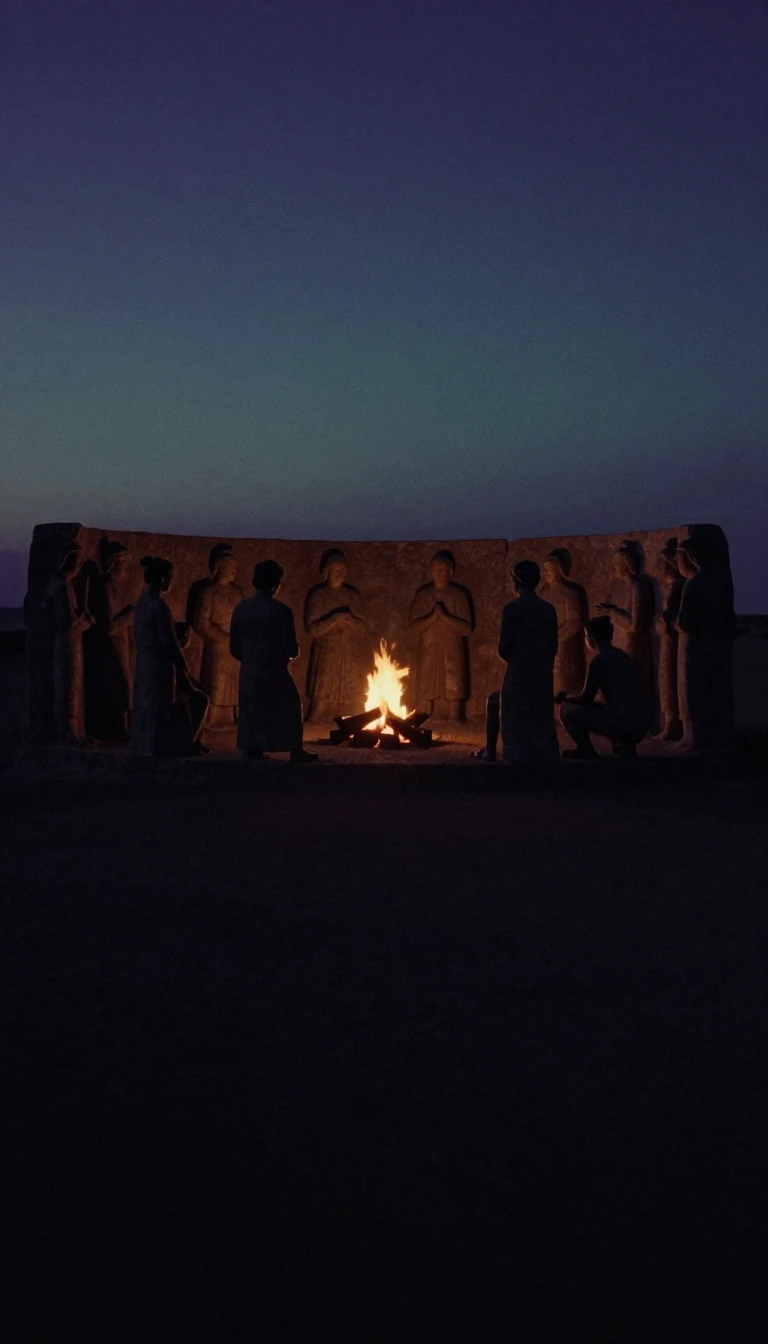
In short: Religion in Sri Lanka is not merely a belief system but a pervasive cultural force. From the sacred rituals of Buddhist temples to the vibrant folk traditions of the hill country, spiritual heritage defines the island's identity, architecture, and arts, creating a complex mosaic that has evolved over many centuries.
Sri Lanka possesses a cultural landscape where religion is a fundamental element of daily life. The most visible markers of this diversity are the Buddhist and Hindu temples, mosques, and churches that dot the island. These sites, including historic centers like Anuradhapura, Sigiriya, and Adam’s Peak, serve as both architectural marvels and active pilgrimage destinations that draw thousands of visitors annually. The nation’s artistic traditions, spanning architecture, sculpture, and painting, are deeply rooted in antiquity and frequently reflect the profound influence of Buddhist inspiration.
The performing arts in Sri Lanka illustrate the intersection of state ceremony and spiritual practice. Kandyan dancing, for instance, has been refined over several centuries through its association with religious rituals in the historic hill capital of Kandy. In contrast, the more improvised devil dancing is traditionally performed during healing rites and exorcisms. These practices coexist with a broader cultural environment that includes both indigenous Sinhalese and Tamil folk traditions, alongside various modern adaptations and imports from Western and Indian sources.
While the island’s heritage is ancient, it is not static. Since the early 20th century, exposure to European literature has influenced local creative writing, leading to a more secular and stylistically diverse body of work. Today, the government supports the arts through the Ministry of Cultural Affairs, with institutions like the National Museum and the Department of National Archives in Colombo acting as primary repositories for the country’s historical documents and archaeological treasures. This blend of ancient tradition and modern institutional support ensures that religion remains a living, breathing component of the Sri Lankan experience.
The interplay between these influences is evident in the country's educational and recreational spheres as well. Fine arts, including music and dance, are integrated into the school curriculum, with advanced training provided by specialized bodies like the Institute of Aesthetic Studies. Meanwhile, popular sports such as cricket, volleyball, and football have become integral to the social fabric, demonstrating how Sri Lanka balances its deep-seated religious history with the demands and interests of the contemporary world.
Opens the Intellect+ feed with this card first. Swipe up for the next one.
Sources
- Summary by Intellect · source: Sri Lanka - Culture, Religion, Cuisine | Britannica
- Also: Religion in Sri Lanka
To cite this card, link to https://intellectplus.co.uk/app/culture-religion-in-sri-lanka.
How we source, check and correct cards: Editorial standards.
General information, not professional advice. Spotted an error? Flag the card or see corrections and complaints.
Intellect Plus is a visual educational discovery platform for exploring fascinating facts and ideas. Brain Food, Not Brain Rot. What is Intellect Plus?
Related
More in Peoples & civilisations · More in Cultures · Latest · A–Z · All topics
