Why the legend of the man who slept for twenty years never grows old
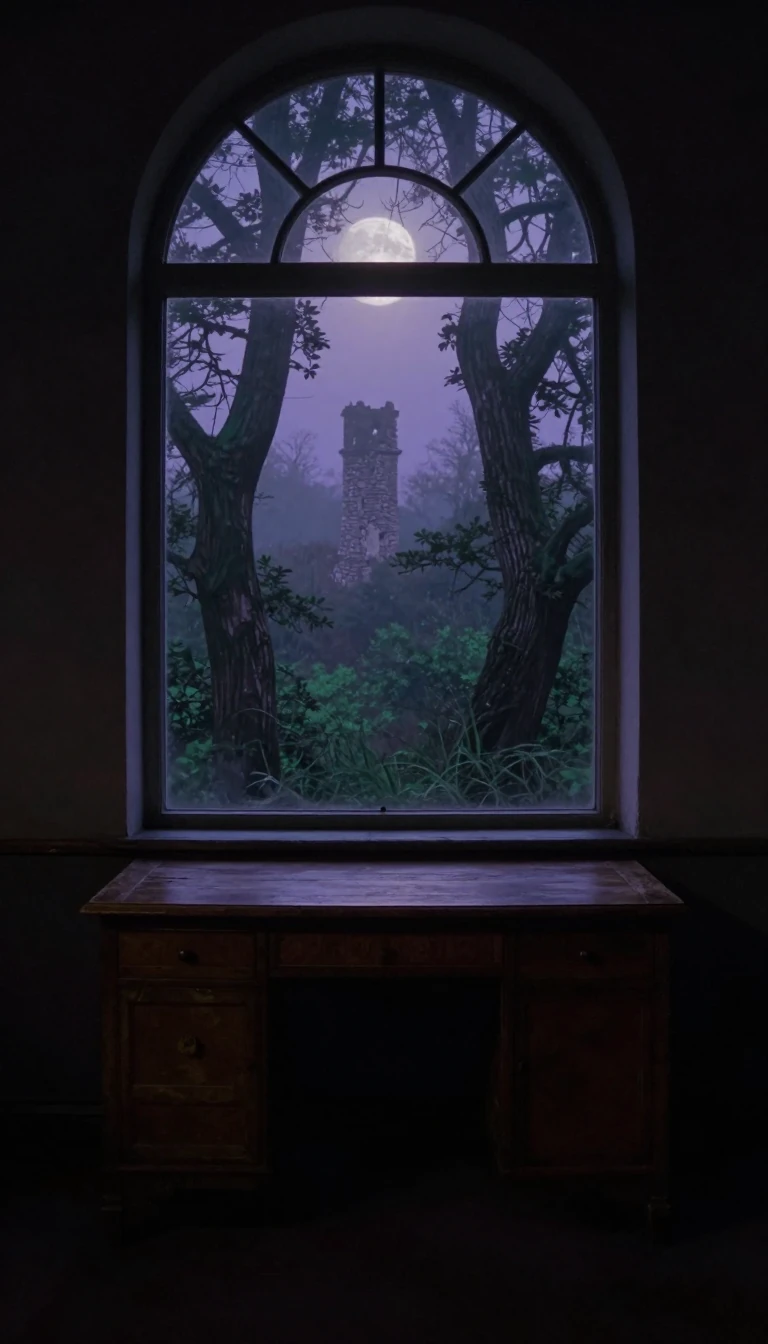
In short: Washington Irving’s 1819 tale of a man who wanders into the Catskills, drinks with ghosts, and wakes up two decades later is a cornerstone of American literature. Yet, this story of lost time is not unique; it is a recurring archetype found in global folklore, religion, and modern science fiction.
Washington Irving wrote Rip Van Winkle in 1819 while living in Birmingham, England, following a period of financial hardship. Inspired by a nostalgic conversation with his brother-in-law, Henry van Wart, Irving composed the story in a single night. Despite the setting in New York’s Catskill Mountains, Irving admitted he had never visited the region when he penned the narrative. The story follows a Dutch-American villager who escapes his nagging wife, Dame Van Winkle, by wandering into the mountains, where he encounters the ghosts of Henry Hudson’s crew from the ship Halve Maen. After sharing their liquor, he falls into a twenty-year slumber, missing the American Revolution entirely.
The motif of the long-term sleeper is remarkably persistent across human history. Scholars often trace the earliest variant to the third-century AD account of Epimenides of Knossos, a Cretan shepherd who allegedly slept in a cave for fifty-seven years. Similar themes appear in the Jewish legend of Honi HaMe'agel, who slept for seventy years, and the Christian and Islamic accounts of the Seven Sleepers of Ephesus, who awoke after two centuries. Other parallels include the Chinese tale of Ranka, the Japanese story of Urashima Tarō, and the Islamic tradition of Uzair. These narratives explore the disorientation of returning to a world that has moved on without the protagonist.
In the modern era, the concept has been reimagined through the lens of physics and technology. Albert Einstein’s theory of relativity provides a scientific framework for the trope, where high-speed travel results in significant time dilation. Science fiction authors have frequently utilized this mechanism, as seen in Robert Heinlein’s Time for the Stars, where space travelers return to find themselves obsolete anachronisms. Whether through the supernatural folklore of ninepin-playing ghosts or the cold mathematics of relativistic space flight, the story of the man out of time remains a powerful vehicle for examining the inevitability of change and the fragility of human memory.
Opens the Intellect+ feed with this card first. Swipe up for the next one.
Sources
- Summary by Intellect · source: Rip Van Winkle
To cite this card, link to https://intellectplus.co.uk/app/culture-rip-van-winkle.
How we source, check and correct cards: Editorial standards.
General information, not professional advice. Spotted an error? Flag the card or see corrections and complaints.
Intellect Plus is a visual educational discovery platform for exploring fascinating facts and ideas. Brain Food, Not Brain Rot. What is Intellect Plus?
Related
More in US culture · More in Cultures · Latest · A–Z · All topics
