Why the headless horseman remains a global icon of dread and folklore
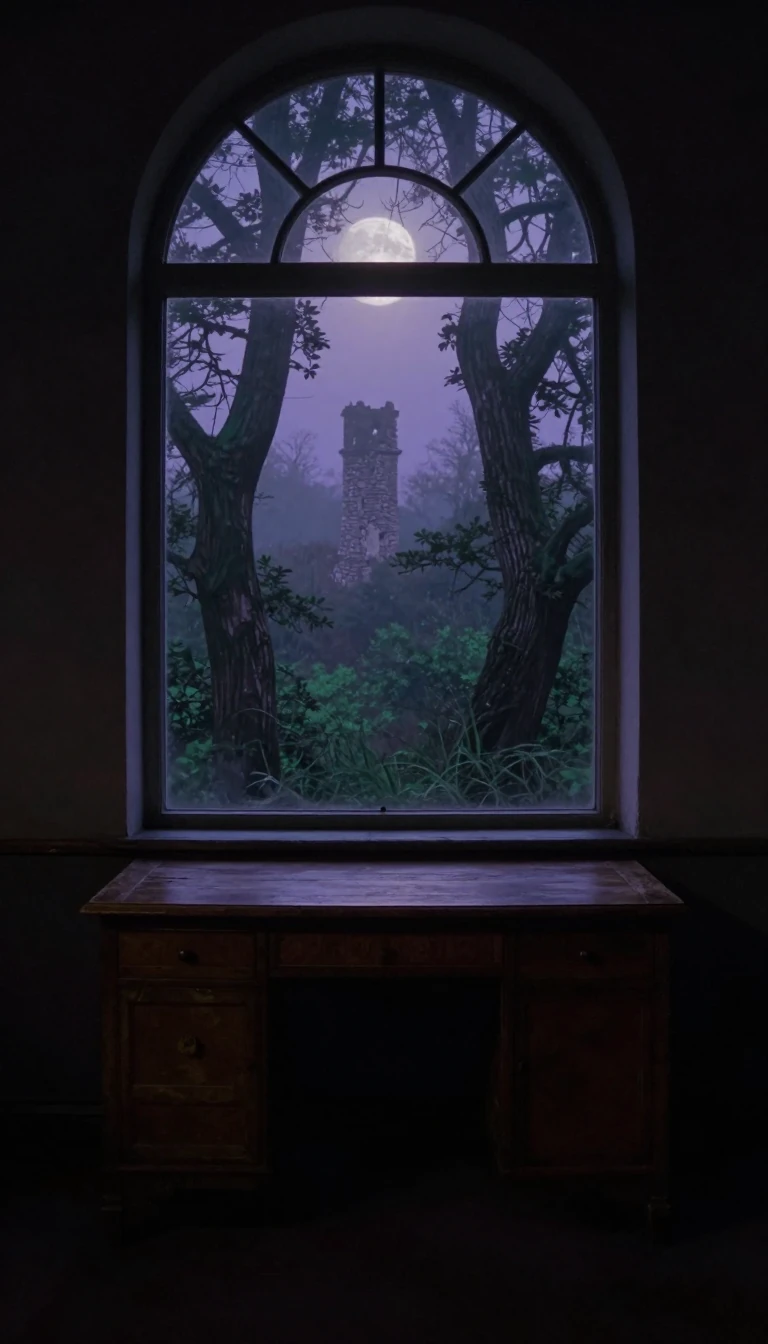
In short: For centuries, the headless rider has galloped through the collective imagination, from Irish fairy tales to American literature. Whether he is a vengeful ghost, a demonic omen of death, or a pumpkin-tossing prankster, this archetype transcends borders, proving that the most terrifying stories are those that lose their heads.
The headless horseman is a persistent figure in global folklore, with roots stretching back to the Middle Ages. In Ireland, the dullahan is a demonic fairy who carries his own head under his arm and acts as a harbinger of death. Similar figures appear across Europe: in Scotland, the decapitated Ewen haunts the Isle of Mull; in Germany, Rhineland legends describe headless revenants who punish the wicked; and in Wales, the headless woman rides a headless horse. These tales often serve as warnings or omens, reflecting a deep-seated cultural fascination with the macabre.
Washington Irving cemented the figure in American consciousness with his 1820 short story, The Legend of Sleepy Hollow. While Irving may have drawn inspiration from European folklore or local rumors of a Hessian soldier decapitated during the Revolutionary War, his version introduced a playful ambiguity. In the original text, the horseman who pursues the schoolteacher Ichabod Crane is implied to be a prank by his rival, Brom Bones, using a pumpkin as a projectile. This duality—between the supernatural and the mundane—has allowed the character to evolve across media.
The legend has proven remarkably adaptable, shifting from 19th-century literature to modern film, comics, and video games. While the 1949 Disney adaptation portrays the horseman as a genuine ghost, the 1999 Tim Burton film reimagines him as a summoned mercenary. Other iterations, such as the comic book Chopper or the television series Sleepy Hollow, recontextualize the rider as a supernatural judge of sinners or an apocalyptic entity. Today, the horseman persists not only in pop culture but in local traditions, such as festivals in Indiana and high school mascots in New York, proving that this headless specter remains a vital, if chilling, part of our shared storytelling tradition.
Opens the Intellect+ feed with this card first. Swipe up for the next one.
Sources
- Summary by Intellect · source: Headless Horseman
- Also: Headless horseman | fictional character | Britannica
To cite this card, link to https://intellectplus.co.uk/app/culture-headless-horseman.
How we source, check and correct cards: Editorial standards.
General information, not professional advice. Spotted an error? Flag the card or see corrections and complaints.
Intellect Plus is a visual educational discovery platform for exploring fascinating facts and ideas. Brain Food, Not Brain Rot. What is Intellect Plus?
Related
More in US culture · More in Cultures · Latest · A–Z · All topics
