Did a secret society of sages ever exist, or was it just a literary prank?
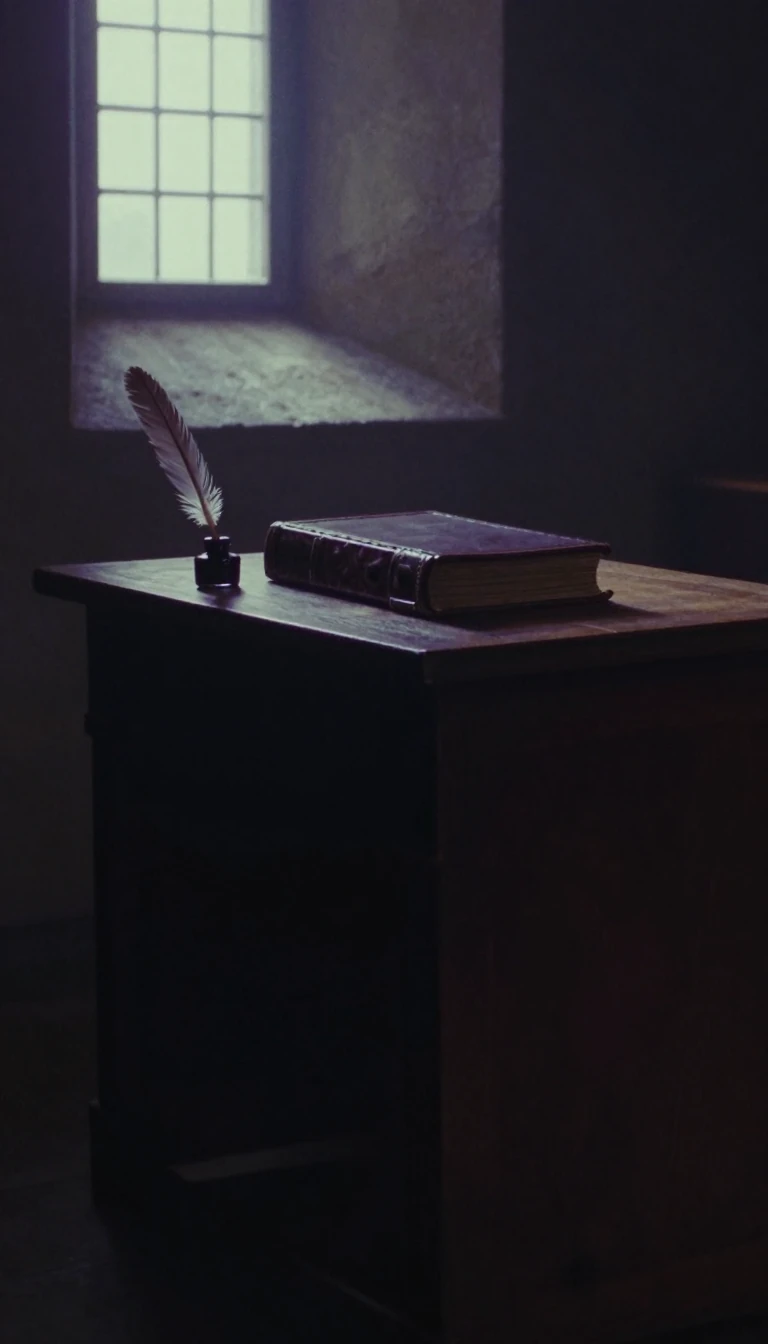
In short: In 17th-century Europe, anonymous manifestos announced a secret brotherhood of alchemists and sages dedicated to a universal reformation of mankind. While these texts sparked a continent-wide frenzy of intellectual debate, the supposed founder later dismissed the entire movement as a cynical, elaborate hoax designed to mock the curious.
The Rosicrucian phenomenon began with three anonymous manifestos published in Germany between 1614 and 1616. These texts, including the Fama Fraternitatis and the Chymical Wedding of Christian Rosenkreutz, described a legendary figure named Christian Rosenkreuz who supposedly founded a secret order in the 15th century. The manifestos promised a 'universal reformation' through esoteric knowledge, alchemy, and Christian mysticism, capturing the imagination of intellectuals during a period of intense religious and political turmoil.
The authorship of these works is widely attributed to the German theologian Johann Valentin Andreae. Though he later claimed the Chymical Wedding was a youthful fantasy and described the broader Rosicrucian movement as a 'ludibrium'—a lampoon or parody—scholars remain divided. Some suggest Andreae disowned the movement to protect his career from institutional backlash, while others argue the manifestos were intended as allegorical satires. Despite this, the 'Rosicrucian furore' led to hundreds of publications and inspired figures like Michael Maier and Robert Fludd to seek out this 'College of Invisibles'.
By the 18th and 19th centuries, the legend had evolved into a foundation for various esoteric and Masonic organizations. Groups like the Order of the Golden and Rosy Cross and the Hermetic Order of the Golden Dawn claimed direct lineage from the original brotherhood, often incorporating complex Qabalistic and Egyptian mysteries. Today, the movement persists through diverse organizations like AMORC, which continues to interpret the original manifestos as a guide for spiritual transformation and the development of latent human faculties.
Whether the Rosicrucians were a genuine secret society or a brilliant literary invention remains a subject of debate. The manifestos themselves advised readers that they spoke in parables, suggesting that the truth might lie in the allegorical pursuit of knowledge rather than the existence of a physical order. This ambiguity allowed the movement to survive for centuries, constantly reinventing itself as a bridge between ancient wisdom and modern spiritual inquiry.
Opens the Intellect+ feed with this card first. Swipe up for the next one.
Sources
- Summary by Intellect · source: Rosicrucianism
To cite this card, link to https://intellectplus.co.uk/app/culture-rosicrucianism.
How we source, check and correct cards: Editorial standards.
General information, not professional advice. Spotted an error? Flag the card or see corrections and complaints.
Intellect Plus is a visual educational discovery platform for exploring fascinating facts and ideas. Brain Food, Not Brain Rot. What is Intellect Plus?
Related
More in Festivals & celebrations · More in Cultures · Latest · A–Z · All topics
