Why did a medieval cathedral city abandon its hilltop home for the valley floor?
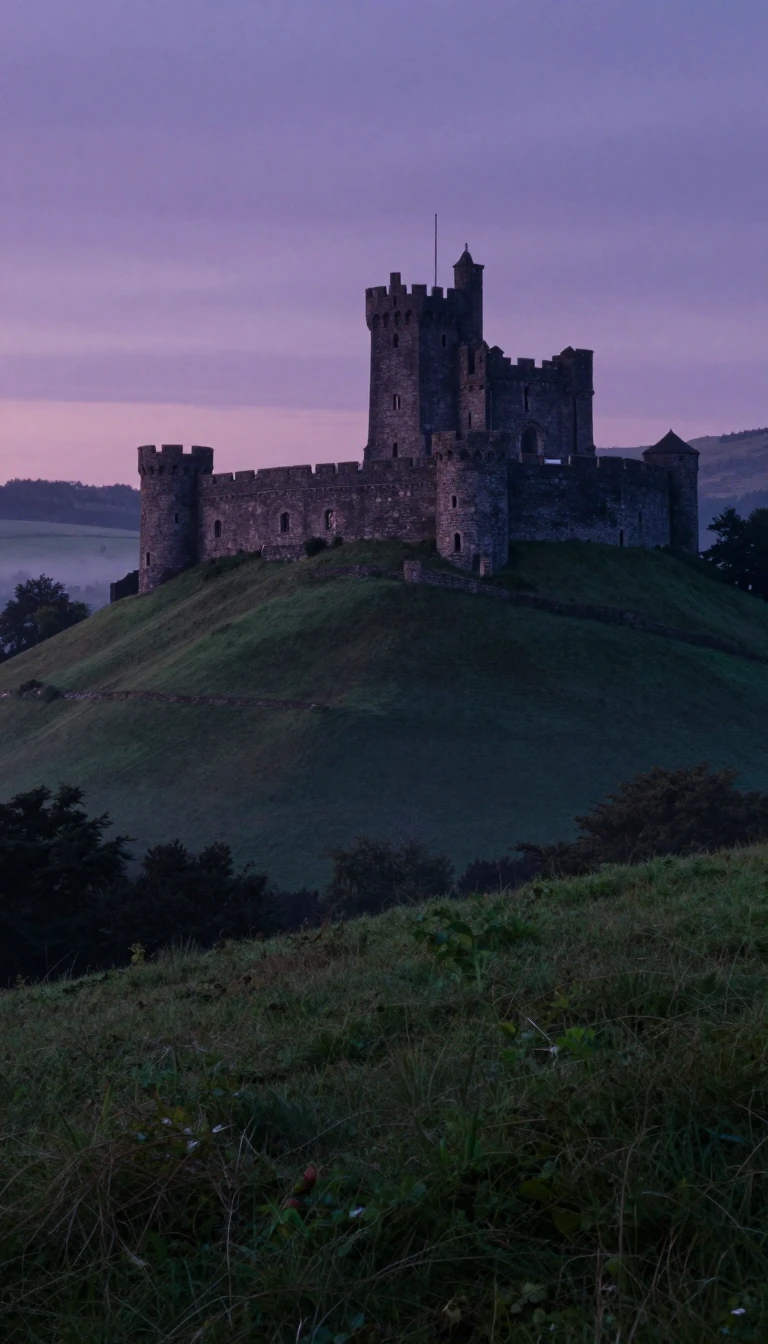
In short: Salisbury is defined by a dramatic migration. In 1220, the city’s clergy abandoned the fortified hilltop of Old Sarum to build a new cathedral in the fertile valley below. This move, driven by ecclesiastical frustration and royal tension, transformed a strategic military site into a masterpiece of Early English architecture.
The story of Salisbury begins at Old Sarum, a site occupied since the Iron Age. Following the Norman invasion of 1066, it became a vital administrative and military hub, housing a castle and the first cathedral, consecrated in 1092. However, the site was cramped and politically fraught. Tensions between the clergy and the castle’s castellan—who often served as the sheriff of Wiltshire—grew so severe that clerics were reportedly barred from re-entering the citadel after processions.
The catalyst for change was Bishop Richard Poore, who moved the cathedral to a meadow known as 'Merryfield' in 1220. The new site, located at the confluence of the rivers Nadder and Avon, offered space for a planned grid-pattern town. By 1227, King Henry III granted a city charter to this 'New Sarum.' The move was so definitive that the original hilltop settlement fell into disuse, eventually becoming a 'rotten borough' that famously retained its parliamentary representation despite having only three households by 1832.
Salisbury’s identity has shifted repeatedly over eight centuries. It became a hub for Spitfire production during World War II, with thousands of aircraft assembled in secret across the city. Today, it balances this rich history with modern challenges, from the 2018 Novichok poisoning of Sergei and Yulia Skripal to ongoing efforts to preserve its medieval heritage. As the city approaches its 800th anniversary, it remains a testament to the enduring influence of its original 13th-century urban planning.
The cathedral itself remains a marvel of medieval engineering. Built on shallow foundations of just 18 inches on a gravel bed, the main structure was completed in only 38 years. It houses one of the world’s oldest surviving mechanical clocks, installed in 1386, and the best-preserved copy of the Magna Carta. The spire, added later, stands at 123 meters, remaining the tallest in the United Kingdom.
Opens the Intellect+ feed with this card first. Swipe up for the next one.
Sources
- Summary by Intellect · source: Salisbury
- Also: salisburycitycouncil.gov.uk — Home | Salisbury City Council
To cite this card, link to https://intellectplus.co.uk/app/culture-salisbury.
How we source, check and correct cards: Editorial standards.
General information, not professional advice. Spotted an error? Flag the card or see corrections and complaints.
Intellect Plus is a visual educational discovery platform for exploring fascinating facts and ideas. Brain Food, Not Brain Rot. What is Intellect Plus?
Related
More in UK & Irish culture · More in Cultures · Latest · A–Z · All topics
