Standing is not a static pose but a constant, complex balancing act
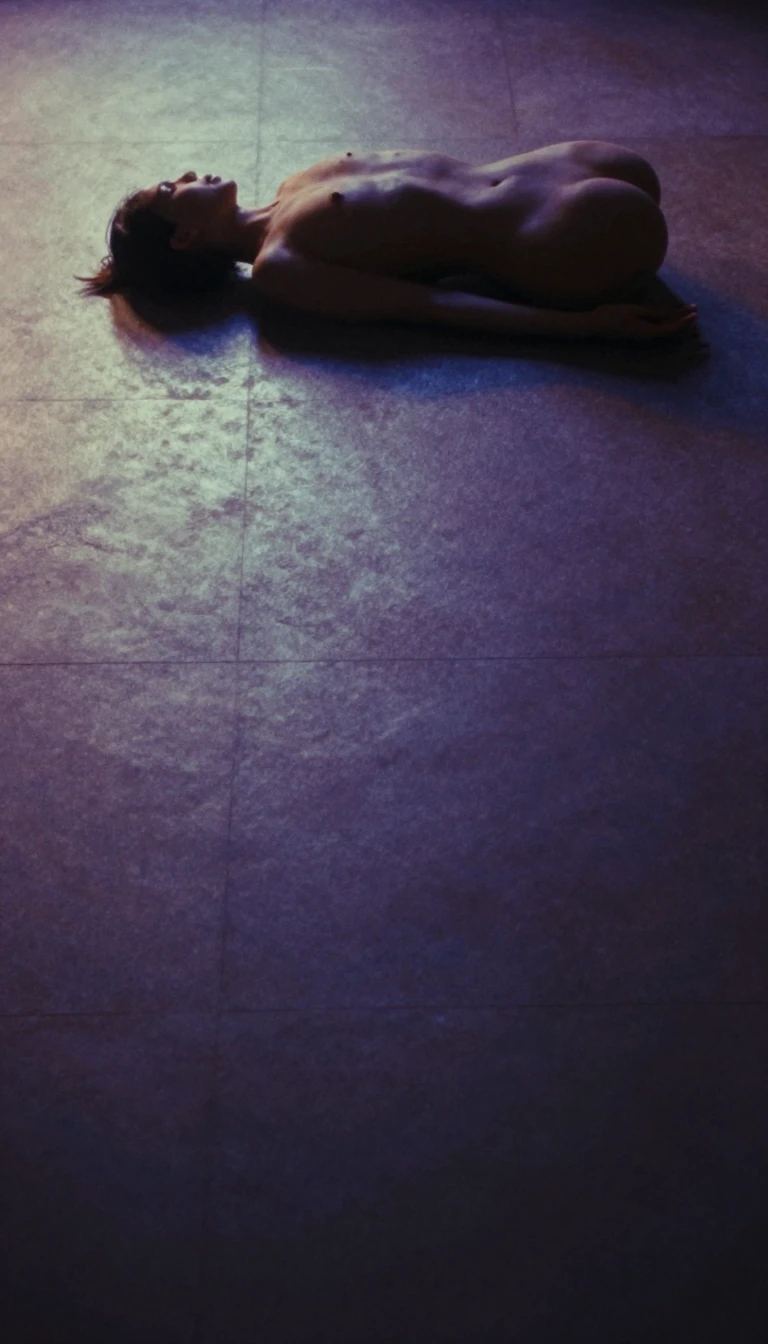
In short: You might think standing still is a passive state, but your body is actually performing a sophisticated, unconscious dance. Because humans are essentially inverted pendulums with a high center of mass, we must constantly sway and adjust to avoid falling. It is a dynamic process of perpetual, minute correction.
Standing, or orthostasis, requires humans to balance on a narrow base of two feet with a center of mass positioned in front of the ankles. Unlike quadrupeds, our upright posture is inherently unstable. If we were truly static, gravity would pull us forward onto our faces. Instead, our bodies engage in a continuous, rhythmic sway, rocking back and forth in the sagittal plane to maintain equilibrium.
For years, scientists believed this was managed by a simple spring-like action in the muscles. However, recent research suggests this local mechanism is insufficient. Current theory posits that the nervous system acts as an active monitor, constantly tracking our velocity and direction. Before we reach a tipping point, the brain sends signals to reverse our tilt. This process involves not just the ankles, but coordinated activity across all joints, including the hips and lower back, where core muscles like the transverse abdominals and multifidi provide essential structural support.
The complexity of this movement is far greater than a simple pendulum model. Analysis reveals that our sway follows a fractal pattern—a motif repeated at different levels of magnification. This fractal structure likely allows for both fine and gross motor control. When this system fails, it can lead to motor dysfunctions where the body struggles to compensate for imbalances. While standing is generally safe, prolonged stillness can trigger physiological shifts, such as orthostatic hypercoagulability, where plasma volume shifts into the extravascular compartment, increasing the concentration of coagulation factors.
Ultimately, standing is a feat of neuro-muscular coordination that begins between 8 and 12 months of age. While we perceive ourselves as motionless, electromyography reveals constant, subtle activity in the calves, hips, and back. We are, in effect, like a ball being volleyed back and forth, kept upright by a minimal but vital exertion of energy that we rarely notice until it falters.
Opens the Intellect+ feed with this card first. Swipe up for the next one.
Sources
- Summary by Intellect · source: Standing
To cite this card, link to https://intellectplus.co.uk/app/culture-standing.
How we source, check and correct cards: Editorial standards.
General information, not professional advice. Spotted an error? Flag the card or see corrections and complaints.
Intellect Plus is a visual educational discovery platform for exploring fascinating facts and ideas. Brain Food, Not Brain Rot. What is Intellect Plus?
Related
More in Communication · More in Cultures · Latest · A–Z · All topics
