Why academics spent decades proving that television actually deserves study
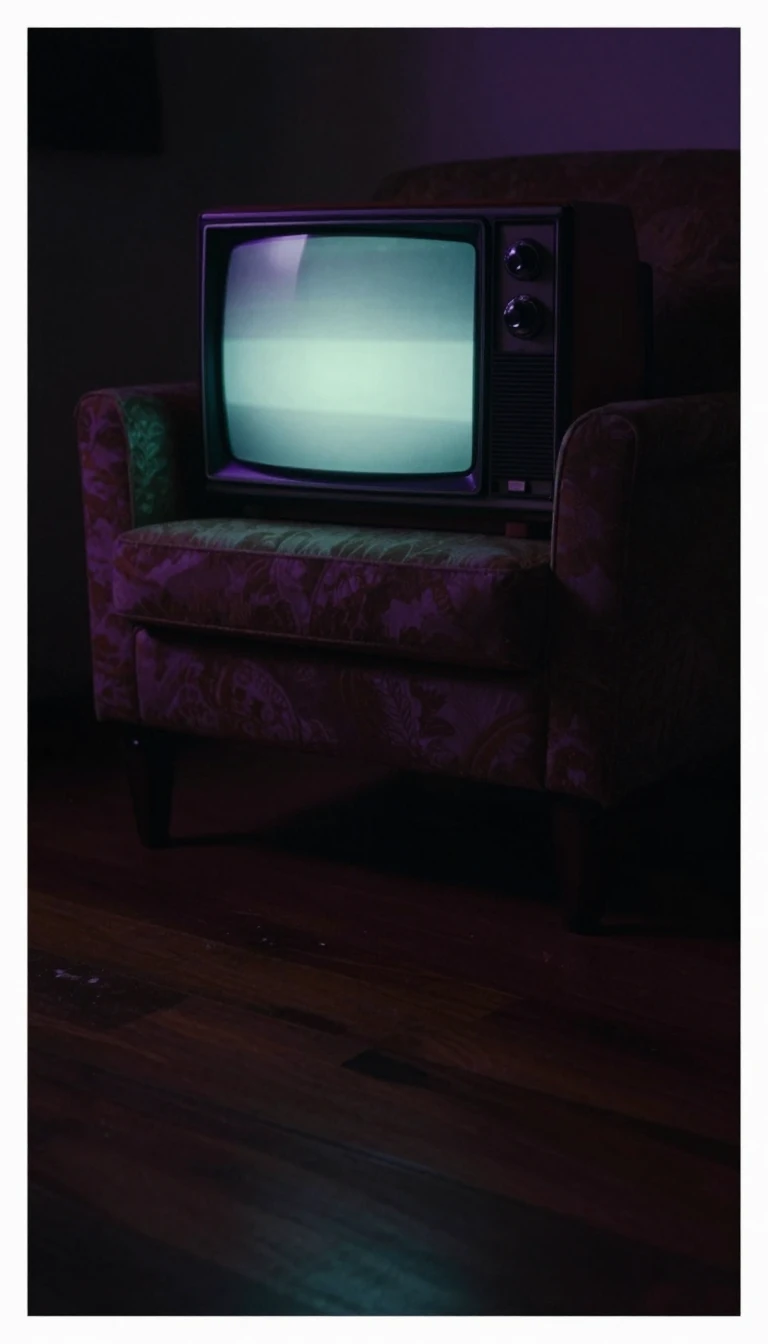
In short: For years, critics dismissed television as a source of social decay. Yet, what began as a controversial medium has evolved into a complex academic discipline. From analyzing cinematic masterpieces to studying how audiences find meaning, television studies explores the profound impact of the small screen on our shared reality.
Television studies emerged as a distinct academic field during the 1970s and 1980s, evolving from three primary streams: journalism, social sciences, and literary or dramatic criticism. While some scholars treat it as a subfield of media or popular culture studies, others distinguish it from mass communication research by focusing on the specific nuances of the medium. Because it is a relatively young discipline, many of its key scholars work across various departments, including sociology, politics, and theatre.
The field is characterized by significant disciplinary hybridity. Early research often focused on the historical role of the television set in 1950s households or the biographies of producers. Over time, the scope expanded to include the study of 'quality television'—works like Twin Peaks or Cathy Come Home—which are analyzed for their cinematic qualities. Other scholars focus on reception theory, investigating how audiences interpret and derive meaning from texts.
The discipline has also been a site of intense debate. Researchers have utilized diverse frameworks, ranging from Marxist theories to the critical sociology associated with the Frankfurt School. Since the 1970s, feminist scholars have specifically examined soap operas and programs featuring female protagonists, such as the police drama Cagney and Lacey. While some observers once predicted the death of broadcast television, many contemporary scholars argue the medium has never been more successful or healthy.
Today, the field encompasses everything from production studies—examining how shows are financed and developed—to new media ethnographies of viewing. It continues to navigate complex questions regarding media ownership, international regulation, and the role of television in the public sphere.
Opens the Intellect+ feed with this card first. Swipe up for the next one.
Sources
- Summary by Intellect · source: Television studies
To cite this card, link to https://intellectplus.co.uk/app/culture-television-studies.
How we source, check and correct cards: Editorial standards.
General information, not professional advice. Spotted an error? Flag the card or see corrections and complaints.
Intellect Plus is a visual educational discovery platform for exploring fascinating facts and ideas. Brain Food, Not Brain Rot. What is Intellect Plus?
Related
More in Journalism and mass media · More in Cultures · Latest · A–Z · All topics
