Does your television habit make you believe the world is more dangerous than it is?
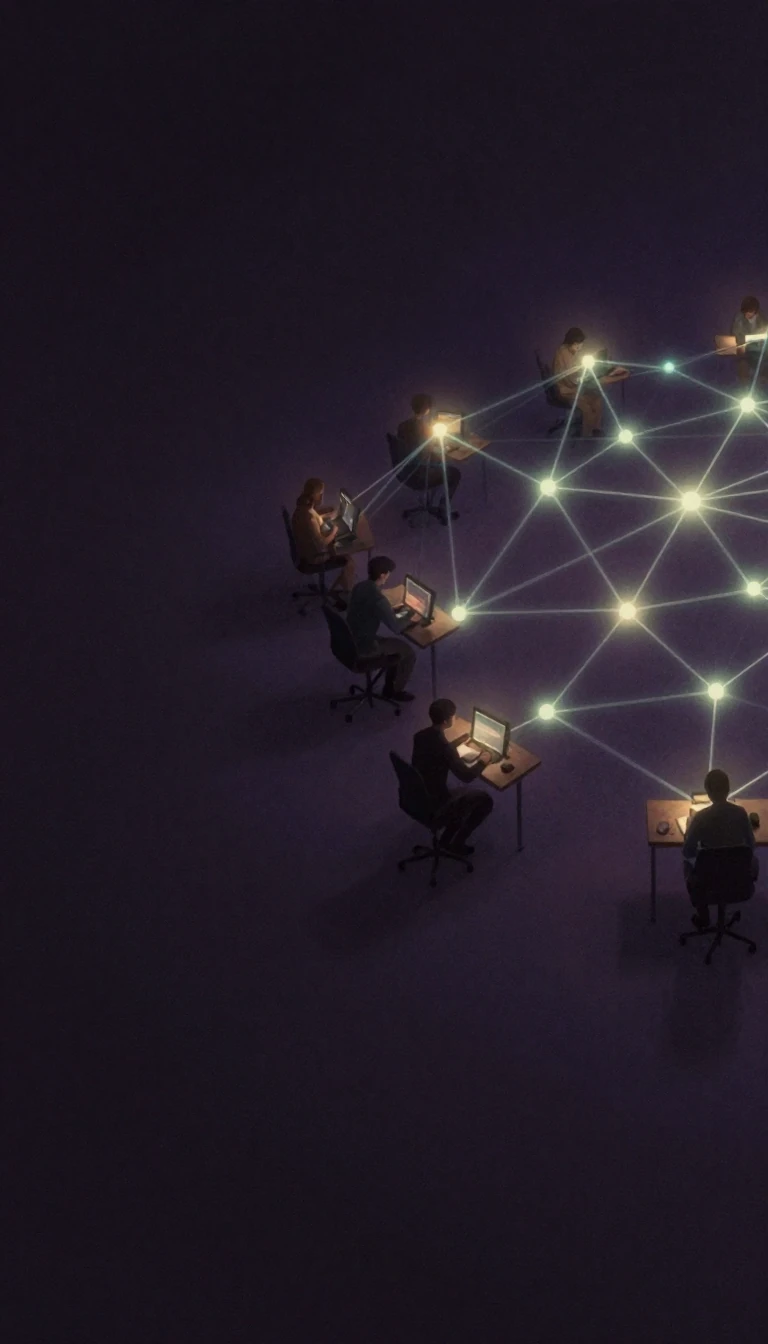
In short: Cultivation theory suggests that heavy television consumption gradually reshapes how we perceive reality. By replacing real-world experience with repetitive, dramatic media patterns, long-term viewers often adopt a distorted, fearful worldview known as the mean world syndrome. It is a subtle, cumulative process that turns the screen into our primary social compass.
Founded by George Gerbner in the 1970s, cultivation theory posits that television has assumed the role once held by family, schools, and churches: the function of enculturation. Gerbner’s research focused on how prolonged exposure to television’s standardized roles and behaviors binds diverse communities into a shared, often homogenized, social reality. This process, known as mainstreaming, ensures that heavy viewers—those watching more than four hours a day—develop outlooks that align more closely with television portrayals than with their actual demographic profiles.
The most famous application of this theory is the mean world syndrome. Gerbner’s surveys consistently revealed that heavy viewers significantly overestimate the prevalence of crime and their own risk of victimization. While light viewers might estimate their weekly odds of being a crime victim at 1 in 100, heavy viewers often predict 1 in 10, despite actual crime statistics showing the risk to be closer to 1 in 10,000. This effect is intensified by resonance, where viewers who have experienced real-world crime find their fears confirmed and amplified by the constant stream of dramatic violence on screen.
Critics note that the theory must account for variables like age, education, and ethnicity, which can alter how individuals process media content. Furthermore, the rise of diverse media platforms has complicated the original focus on total viewing hours. However, the theory remains a cornerstone of communication scholarship. Researchers like Shrum have proposed cognitive mechanisms, such as the availability heuristic, to explain why heavy viewers more readily access vivid, television-derived memories when assessing the world around them. Whether through direct fear or subtle shifts in values, the theory suggests that we do not just watch television; we live within the reality it constructs.
Opens the Intellect+ feed with this card first. Swipe up for the next one.
Sources
- Summary by Intellect · source: Cultivation theory
To cite this card, link to https://intellectplus.co.uk/app/technology-cultivation-theory.
How we source, check and correct cards: Editorial standards.
General information, not professional advice. Spotted an error? Flag the card or see corrections and complaints.
Intellect Plus is a visual educational discovery platform for exploring fascinating facts and ideas. Brain Food, Not Brain Rot. What is Intellect Plus?
Related
More in Psychology · More in Ideas & Philosophy · Latest · A–Z · All topics
