Tensegrity: The structural principle where components float in a network of continuous tension
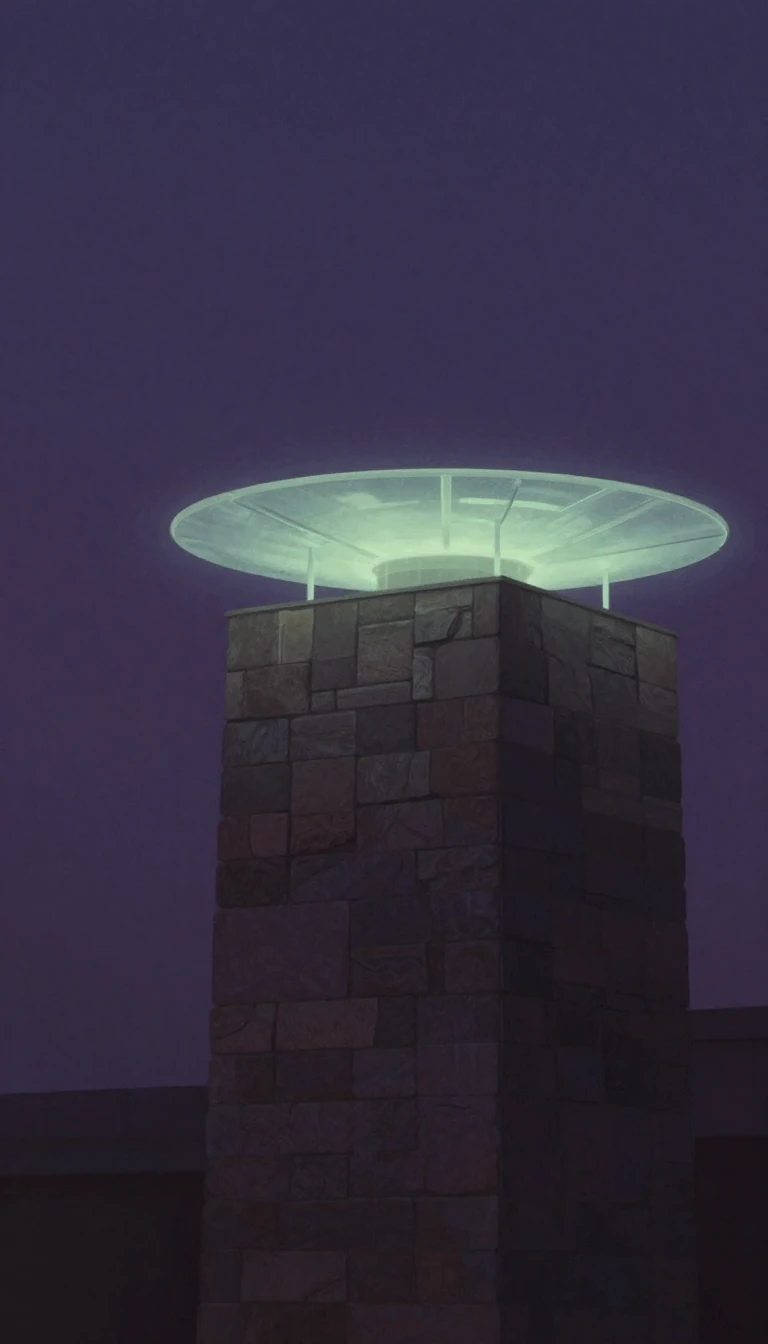
In short: Tensegrity describes structures where rigid bars never touch, held in place by a web of tensioned cables. This principle, which Buckminster Fuller named in the 1960s, appears in everything from human bones to space-age architecture, offering a unique way to achieve maximum strength with minimal material.
At its core, tensegrity—or tensional integrity—relies on isolated components under compression, such as struts or bones, suspended within a continuous network of tensioned members like cables or tendons. Because these compressed elements do not physically touch, the system is held together entirely by the spatial constraints of the tensioned network. This arrangement allows forces to be transmitted over the shortest possible distance, making the structure remarkably efficient and resilient.
While Buckminster Fuller popularized the term in the 1960s, the origins of the concept are debated. Some scholars, including Maria Gough, point to the work of Soviet avant-garde artist Kārlis Johansons, who exhibited structures using these principles as early as 1921. Artist Kenneth Snelson also played a pivotal role, developing his innovative 'X-Piece' in 1948, which influenced Fuller’s own explorations. Today, the principle is applied in diverse fields, from the design of the Kurilpa Bridge in Australia to NASA’s development of lightweight, resilient space rovers.
Beyond engineering, the concept has expanded into biology through 'biotensegrity.' Proponents like Stephen Levin argue that the human musculoskeletal system functions as a tensegrity structure, where bones provide discontinuous support while muscles and fascia maintain constant tension. Similarly, researchers like Donald E. Ingber suggest that cellular shapes and even the self-assembly of proteins can be modeled using these principles. While the application of these mechanical concepts to biological systems remains a subject of scientific discussion, the idea that nature favors structures that minimize material while maximizing stability remains a compelling perspective.
Opens the Intellect+ feed with this card first. Swipe up for the next one.
Sources
- Summary by Intellect · source: Tensegrity
To cite this card, link to https://intellectplus.co.uk/app/culture-tensegrity.
How we source, check and correct cards: Editorial standards.
General information, not professional advice. Spotted an error? Flag the card or see corrections and complaints.
Intellect Plus is a visual educational discovery platform for exploring fascinating facts and ideas. Brain Food, Not Brain Rot. What is Intellect Plus?
Related
More in Traditions & customs · More in Cultures · Latest · A–Z · All topics
