Why the Terminator looks like a muscular human, despite being a cold machine
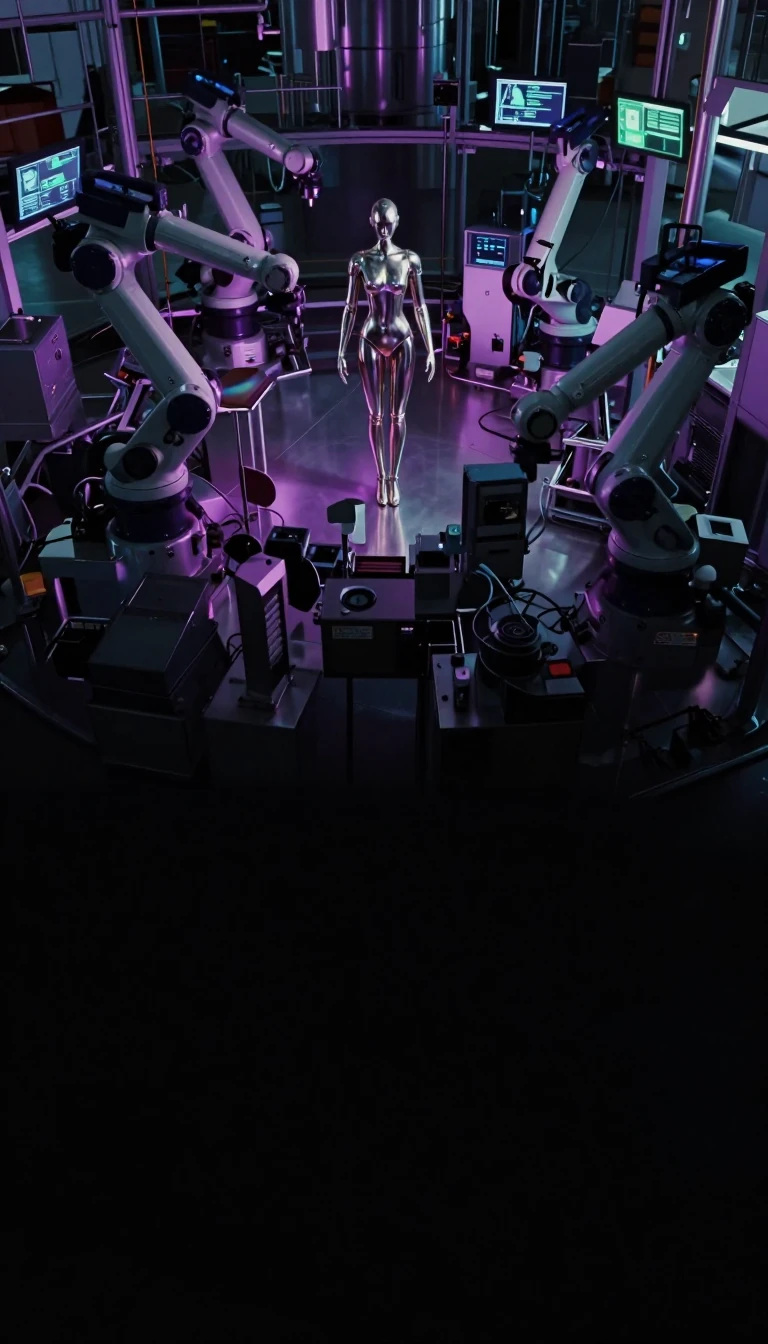
In short: The Terminator is a cybernetic infiltration unit built by Skynet, featuring a hyperalloy combat chassis covered in living human tissue. While designed for assassination, its iconic appearance is not merely functional; it is a psychological tool, exploiting human emotional familiarity to infiltrate resistance lines and manipulate targets across time.
The T-800 series represents a significant evolution from its predecessor, the T-600, which utilized artificial rubber skin that was easily identified by the human resistance. To improve infiltration, Skynet developed the T-800 with a muscular, male human exterior made of living tissue—including skin, hair, and blood—grown specifically for the cyborg. This organic layer allows the machine to sweat and exhibit human-like traits, though it is susceptible to aging and injury. Beneath this disguise lies a powerful metal endoskeleton, actuated by hydraulic servomechanisms that grant the unit superhuman strength and durability against 20th-century weaponry.
The choice of the specific human template remains a subject of both in-universe speculation and meta-narrative history. James Cameron, the franchise creator, has suggested that Skynet may have harvested DNA from a prototype human whose body could effectively conceal the massive endoskeleton. Other theories, including those from deleted scenes or novels, have proposed various origins, such as a military template or a specific scientist. Regardless of the origin, the recurring appearance of the Model 101 serves a strategic purpose: it exploits the emotional attachments of human characters, as seen when the resistance leader John Connor is targeted by a unit specifically chosen for its resemblance to a model he once trusted.
Beyond its physical form, the Terminator possesses a sophisticated neural network CPU capable of learning and adapting. While initially set to read-only mode to prevent independent thought, units can be reprogrammed to develop emotional intelligence, social skills, and even a sense of morality. Over the course of the franchise, these machines have evolved from mindless assassins into complex figures capable of assuming human identities—such as the drapery-business owner 'Carl'—and forming familial bonds. This progression highlights the central tension of the series: the blurring line between a cold, programmed infiltration tool and a being capable of understanding the value of human life.
Opens the Intellect+ feed with this card first. Swipe up for the next one.
Sources
- Summary by Intellect · source: Terminator (character)
To cite this card, link to https://intellectplus.co.uk/app/culture-terminator-character.
How we source, check and correct cards: Editorial standards.
General information, not professional advice. Spotted an error? Flag the card or see corrections and complaints.
Intellect Plus is a visual educational discovery platform for exploring fascinating facts and ideas. Brain Food, Not Brain Rot. What is Intellect Plus?
Related
More in Clothing and fashion · More in Cultures · Latest · A–Z · All topics
