Why the ancient prohibition against graven images was never just about art or statues
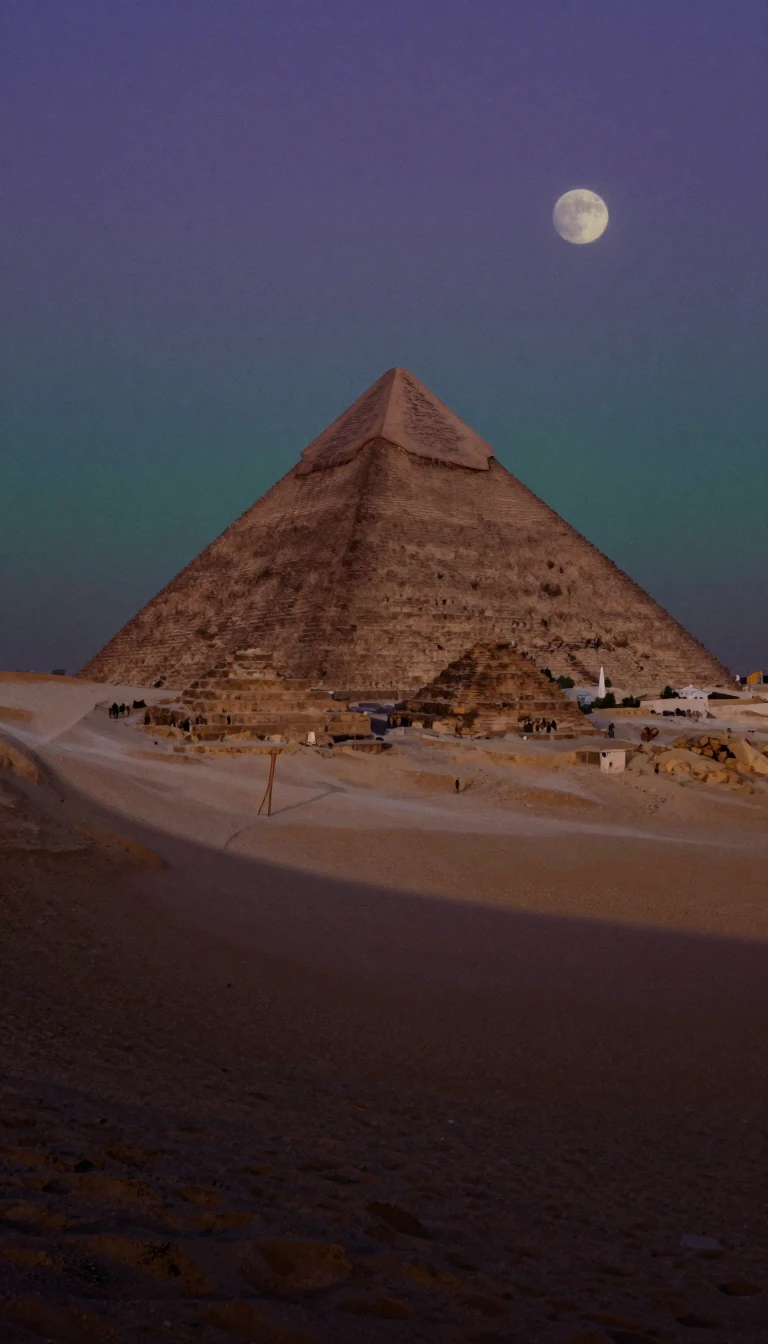
In short: The biblical command against graven images was a radical rejection of the material world as a vessel for the divine. It demanded that followers abandon the physical idols central to neighboring cultures, insisting instead that God could only be known through history, words, and the lived actions of humanity.
The second commandment, prohibiting the creation of any graven image or likeness of things in heaven, earth, or water, served as a defining boundary for the Israelites. Unlike the surrounding Canaanite, Egyptian, and Mesopotamian cultures, which maintained cult idols—often fastened with iron nails or silver chains to prevent them from falling—the Israelites were instructed that God had no shape or form. Because the divine was considered incomparable, any physical representation was viewed as a fundamental distortion of God’s essence.
Idolatry in the biblical context extended far beyond mere sculpture. It encompassed the worship of created things like rocks, trees, animals, or even human beings. The prophets, including Jeremiah and Isaiah, frequently characterized this practice as 'spiritual adultery' or 'vanity,' using contemptuous terms like 'pellets of dung' to describe idols. The danger, according to the psalmist, was psychological: those who worshiped inanimate, unseeing objects would eventually become like them—unfeeling and unable to perceive truth. This prohibition was so central that the Mishnah later classified idolatry, alongside murder and adultery, as a sin to be resisted even at the cost of one's life.
The interpretation of this law evolved significantly over time. While early rabbis in Judea strictly opposed human figures in temples, later communities, such as those in third-century Babylon, displayed more flexibility, as evidenced by the art found in the Dura synagogue. In the New Testament, the concept expanded further. Paul the Apostle redefined idolatry to include internal states like greed and sexual immorality, arguing that prioritizing earthly desires over the Creator was a form of idol worship. By shifting the focus from physical objects to the orientation of the heart, the tradition moved from a simple ban on carving stone to a comprehensive demand for exclusive devotion to the divine.
Opens the Intellect+ feed with this card first. Swipe up for the next one.
Sources
- Summary by Intellect · source: Thou shalt not make unto thee any graven image
To cite this card, link to https://intellectplus.co.uk/app/culture-thou-shalt-not-make-unto-thee-any-graven-image.
How we source, check and correct cards: Editorial standards.
General information, not professional advice. Spotted an error? Flag the card or see corrections and complaints.
Intellect Plus is a visual educational discovery platform for exploring fascinating facts and ideas. Brain Food, Not Brain Rot. What is Intellect Plus?
Related
More in Peoples & civilisations · More in Cultures · Latest · A–Z · All topics
