From Roman citizens to British soldiers: the enduring legacy of the tunic
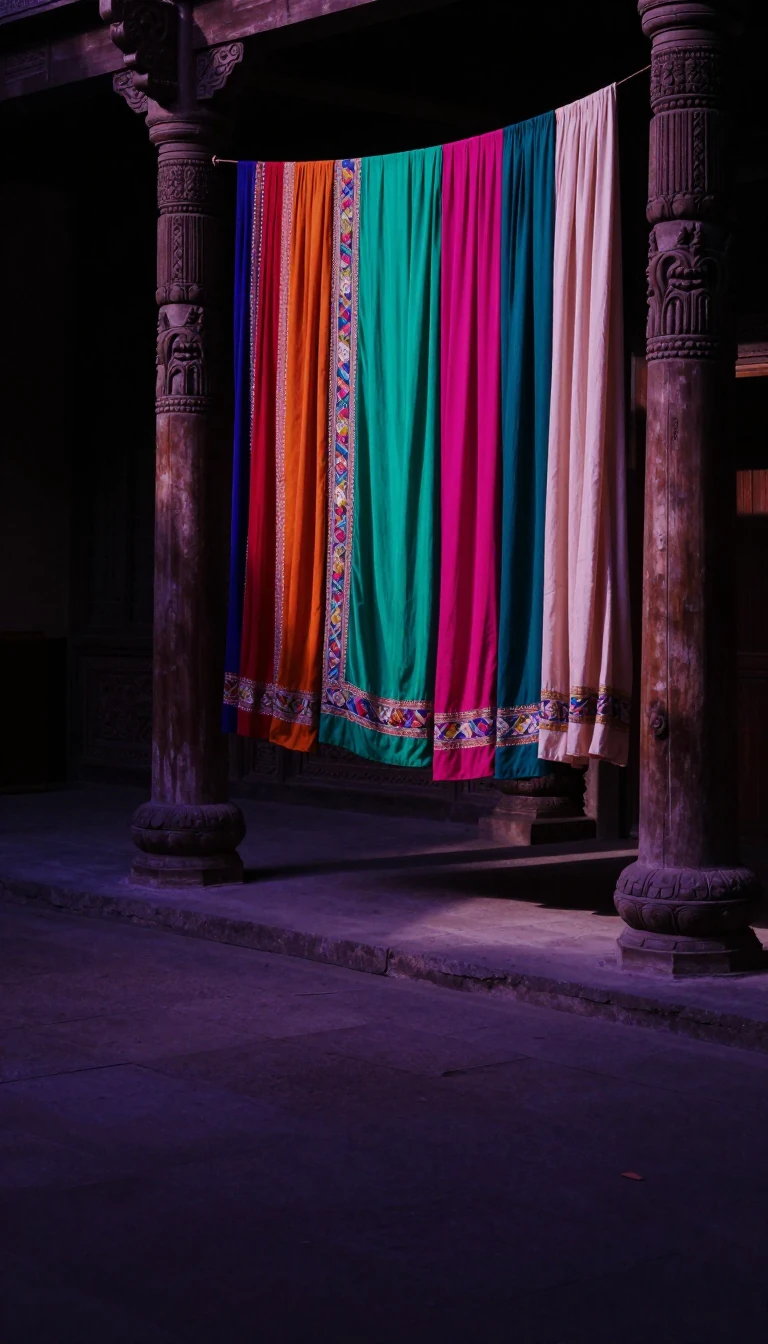
In short: More than just a simple shirt, the tunic has served as a social identifier, a military necessity, and a cultural cornerstone for millennia. From the streets of ancient Rome to the battlefields of the Crimean War, this versatile garment has evolved through centuries of shifting empires and changing fashions.
The tunic's origins are deeply rooted in antiquity, likely deriving from the Latin 'tunica' or a Semitic word '*kittan'. In ancient Rome, the garment was a fundamental staple for both men and women. It functioned as a powerful social signifier; for instance, Roman senators wore the 'laticlavus' featuring broad purple stripes, while the equestrian class wore the narrower 'Angusticlavia'. Length also denoted status, with manual laborers often wearing shorter versions while those in sedentary roles wore tunics reaching the ankles.
As empires rose and fell, the tunic adapted to new climates and cultures. The long-sleeved, pull-over styles used by Celtic and Germanic peoples were eventually integrated into Roman and Byzantine dress. Following the collapse of the Western Roman Empire, these more elaborate, long-sleeved constructions persisted, used by groups such as the Vikings and Normans. In the Indian subcontinent, the garment evolved into the 'kurta', often featuring intricate embroidery and beadwork, while in Vietnam, the 'áo dài' emerged from earlier forms like the 'áo ngũ thân'.
The garment's utility has even influenced modern military history. During the 1850s Crimean War, the British military realized that the waist-length jackets used since the Napoleonic era were inadequate for winter combat. They introduced a longer, mid-thigh jacket and named it the 'tunic' in honor of the ancient Roman 'tunica'. Today, the term survives in various contexts, from the high-collar uniforms of police and military personnel to the liturgical vestments worn by religious clergy.
Opens the Intellect+ feed with this card first. Swipe up for the next one.
Sources
- Summary by Intellect · source: Tunic
To cite this card, link to https://intellectplus.co.uk/app/culture-tunic.
How we source, check and correct cards: Editorial standards.
General information, not professional advice. Spotted an error? Flag the card or see corrections and complaints.
Intellect Plus is a visual educational discovery platform for exploring fascinating facts and ideas. Brain Food, Not Brain Rot. What is Intellect Plus?
Related
More in Clothing and fashion · More in Cultures · Latest · A–Z · All topics
