How the evolution of a tunic mirrored the collapse of an empire
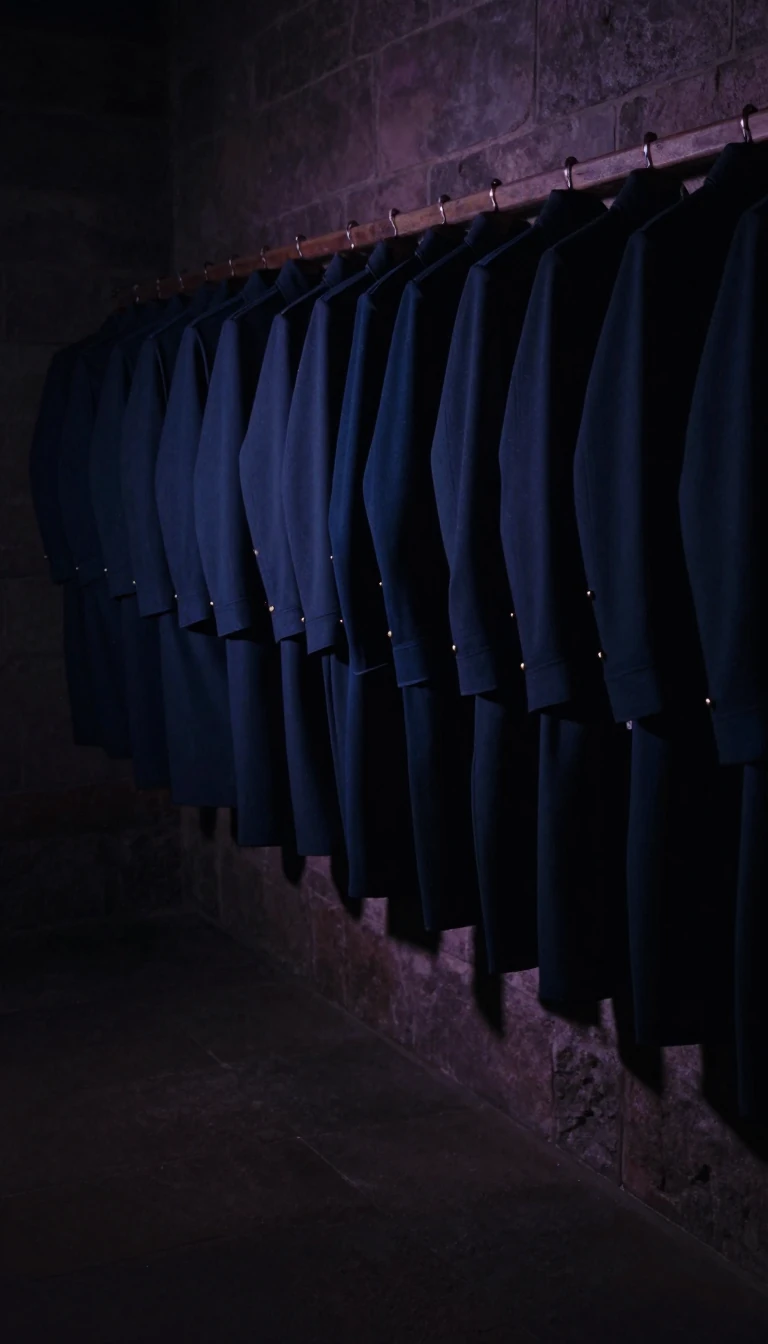
In short: A soldier's uniform is rarely just a garment; it is a physical record of industrial capacity and shifting doctrine. From the tailored elegance of early 1930s designs to the utilitarian scraps of 1944, the German Heer's field tunic reveals a desperate transition from mechanized prestige to survivalist production.
The transition from the Weimar Republic's Reichswehr to the Nazi-era Wehrmacht saw a deliberate modernization of the 'feldbluse' (field blouse). The standardized Model 1936 (M36) was a masterpiece of early mechanized warfare design. It featured a shorter skirt to prevent dirt buildup in vehicles and a sophisticated internal suspension system. This system used hooks and internal straps to distribute the weight of equipment belts across the soldier's torso, eliminating the need for external suspenders.
As the war progressed, the 'M36' became a baseline for various unofficial designations like the M40 and M43. These weren't official Wehrmacht names but labels used by collectors to track the steady simplification of the tunic. For instance, the M40 swapped bottle-green collars for field-grey, while the M41 introduced a six-button front because material quality had plummeted—with some tunics containing 50% or more viscose rayon and recycled shoddy. By the M43, even the complex internal suspension system was often omitted to save time.
The ultimate shift occurred in late 1944 with the M44 pattern. This was the first major design deviation since 1936, moving away from the traditional tunic toward a waist-length jacket similar to British Battledress. It replaced the complex suspension system entirely and used a new 'Feldgrau 44' greenish-brown color. While elite units like the Panzer-Lehr-Division field-tested it in the summer of 1944, it was primarily issued to the 'greenest' of troops: teenage Flakhelfer, Hitlerjugend, and Volkssturm militia during the war's final months.
Opens the Intellect+ feed with this card first. Swipe up for the next one.
Sources
- Summary by Intellect · source: Uniforms of the German Army (1935–1945)
To cite this card, link to https://intellectplus.co.uk/app/wars-uniforms-of-the-german-army-1935-1945.
How we source, check and correct cards: Editorial standards.
General information, not professional advice. Spotted an error? Flag the card or see corrections and complaints.
Intellect Plus is a visual educational discovery platform for exploring fascinating facts and ideas. Brain Food, Not Brain Rot. What is Intellect Plus?
Related
More in World wars era · More in Wars & Conflicts · Latest · A–Z · All topics
