The Soviet Cold War giant that hunted submarines across the world's deepest oceans
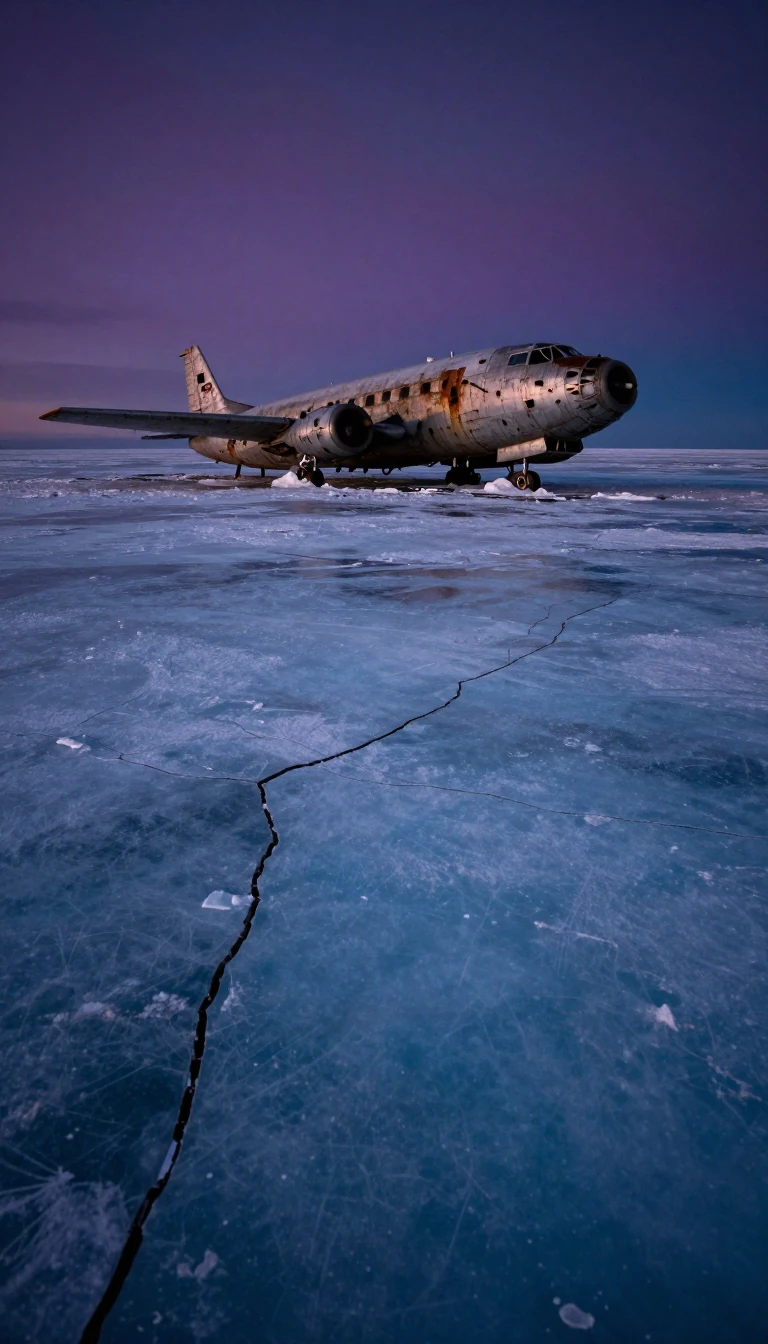
In short: Born from the urgent need to counter American nuclear-armed submarines, the Tupolev Tu-142 evolved from a strategic bomber into a specialized maritime hunter. This massive turboprop aircraft, known to NATO as the Bear, spent decades patrolling the seas, tracking silent targets and relaying critical communications during the height of the Cold War.
The Tu-142 was the Soviet Union's answer to the UGM-27 Polaris, a submarine-launched ballistic missile system that became operational in November 1960. Recognizing the threat posed by these underwater platforms, the Soviet government directed the Tupolev design bureau to create a long-range anti-submarine warfare aircraft. The resulting design was a heavily modified version of the Tu-95 strategic bomber, featuring a stretched fuselage to house complex surveillance equipment, a reinforced undercarriage for rough-field operations, and advanced radar systems like the Berkut.
Development was iterative and often fraught with technical challenges. Early versions struggled with unreliable avionics and limited utility for rough-field landings, leading to significant structural redesigns. By the mid-1970s, production shifted to the Taganrog Machinery Plant, where engineers introduced the Tu-142M. As submarine silencing technology advanced, the aircraft required constant upgrades, including the Korshun-K target acquisition system and the Udar-75 explosive sound system, designed to detect deep-diving vessels. The final production variant, the Tu-142M3, featured more powerful NK-12MP engines and an auxiliary power unit, marking the culmination of a 26-year production run that saw 100 aircraft built.
Beyond its primary role as an anti-submarine platform, the Tu-142 served as a versatile tool for the Soviet and later Russian Navy. The Tu-142MR variant, for instance, acted as a critical communications relay for submerged ballistic missile submarines, equipped with a long trailing wire antenna. The aircraft also saw international service; the Indian Navy operated eight Tu-142s from 1988 until their retirement in 2017. Today, the legacy of this Cold War titan persists, with remaining Russian units still performing maritime patrols and occasionally being intercepted by Western air forces near international airspace.
Opens the Intellect+ feed with this card first. Swipe up for the next one.
Sources
- Summary by Intellect · source: Tupolev Tu-142
To cite this card, link to https://intellectplus.co.uk/app/culture-tupolev-tu-142.
How we source, check and correct cards: Editorial standards.
General information, not professional advice. Spotted an error? Flag the card or see corrections and complaints.
Intellect Plus is a visual educational discovery platform for exploring fascinating facts and ideas. Brain Food, Not Brain Rot. What is Intellect Plus?
Related
More in Traditions & customs · More in Cultures · Latest · A–Z · All topics
