The Mongol Empire was never just a Mongol state.
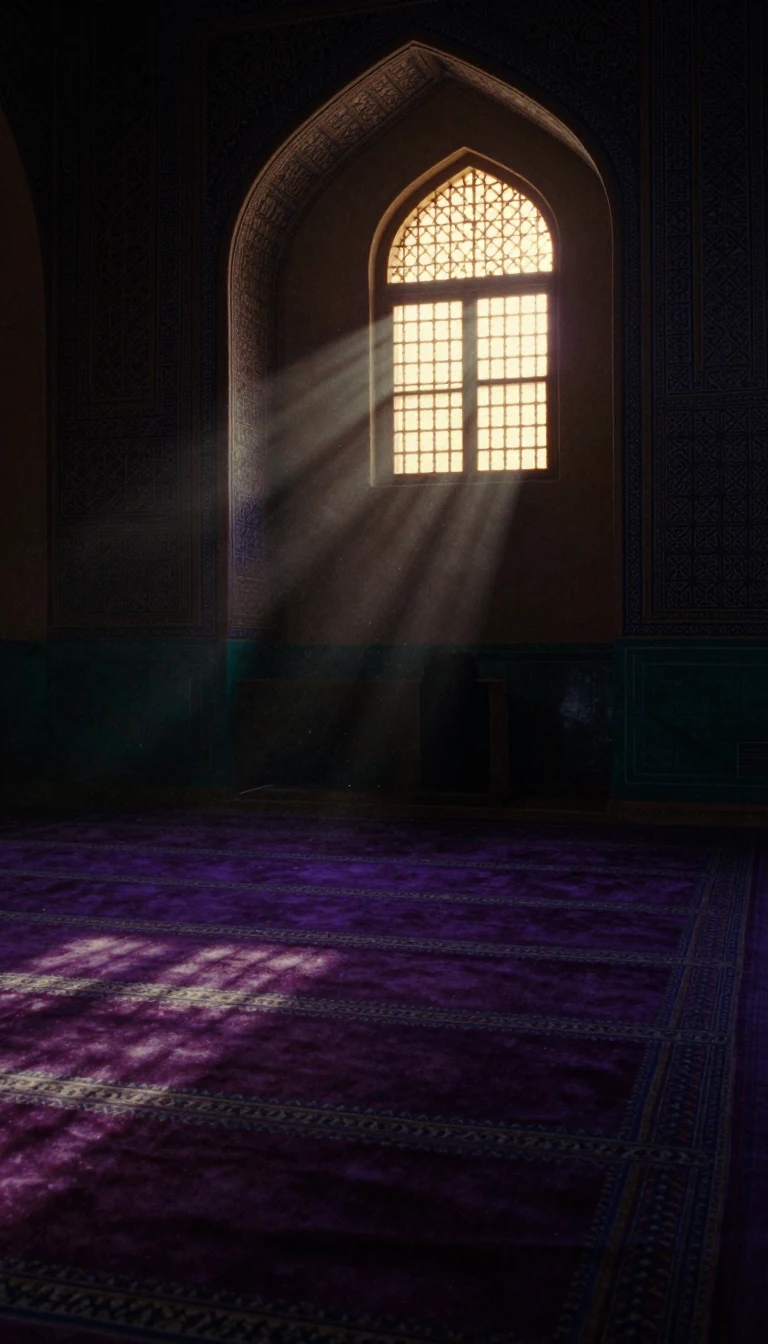
In short: While history often paints the Mongol expansion as a purely nomadic conquest, the reality was an ethnocultural fusion. By the 13th century, the empire had already synthesized Turkic and Mongolic identities into a unique ruling class that would go on to shape the Islamic world for centuries.
The state established by Genghis Khan in 1206 was fundamentally a "Turko-Mongol" or "Inner Eurasian" entity from its inception. Rather than a monolithic ethnic group, it was a multilingual union of Mongolic tribes like the Barlas and Qongirat with Turkic-speaking groups such as the Uyghurs and Naimans. This fusion created a new political identity known as the Mongol ulus, characterized by shared dynastic descent from Genghis Khan and a unique blend of steppe traditions.
As the empire fractured into four major khanates in 1259, these Turco-Mongol identities diverged but remained distinct from pre-existing Turkic states. Unlike the Ottomans or Seljuks, groups like the Kazakhs, Uzbeks, and Tatars did not trace their roots to old Turkic kingdoms; they were "Turkicized Mongols." By the mid-14th century, these elites began adopting Islam and Turkic languages—specifically Kipchak and Karluk dialects—while maintaining Mongol legal structures and political ideologies.
This cultural synthesis had a massive geopolitical reach. The Turco-Mongol ruling class became primary sponsors of Turco-Persian culture, exporting it across the continent. This influence eventually reached as far as North India, where descendants of Timur founded the Mughal Empire. From Crimea to the Tian Shan mountains, this hybrid identity dominated the political landscape for four centuries, blending nomadic heritage with Islamic faith and Persianate high culture.
Linguistically, these groups shared deep structural similarities—such as vowel harmony and agglutination—that predated the Mongol conquests by over a millennium. While modern scholars debate whether these traits stem from a common genetic ancestor or prolonged contact, it is clear that the Turco-Mongol tradition was built upon a foundation of ancient linguistic exchange between the peoples of the Eurasian steppe.
Opens the Intellect+ feed with this card first. Swipe up for the next one.
Sources
- Summary by Intellect · source: Turco-Mongol tradition
To cite this card, link to https://intellectplus.co.uk/app/culture-turco-mongol-tradition.
How we source, check and correct cards: Editorial standards.
General information, not professional advice. Spotted an error? Flag the card or see corrections and complaints.
Intellect Plus is a visual educational discovery platform for exploring fascinating facts and ideas. Brain Food, Not Brain Rot. What is Intellect Plus?
Related
More in Traditions & customs · More in Cultures · Latest · A–Z · All topics
