Are China's famous ghost cities actually just cities waiting for their residents?
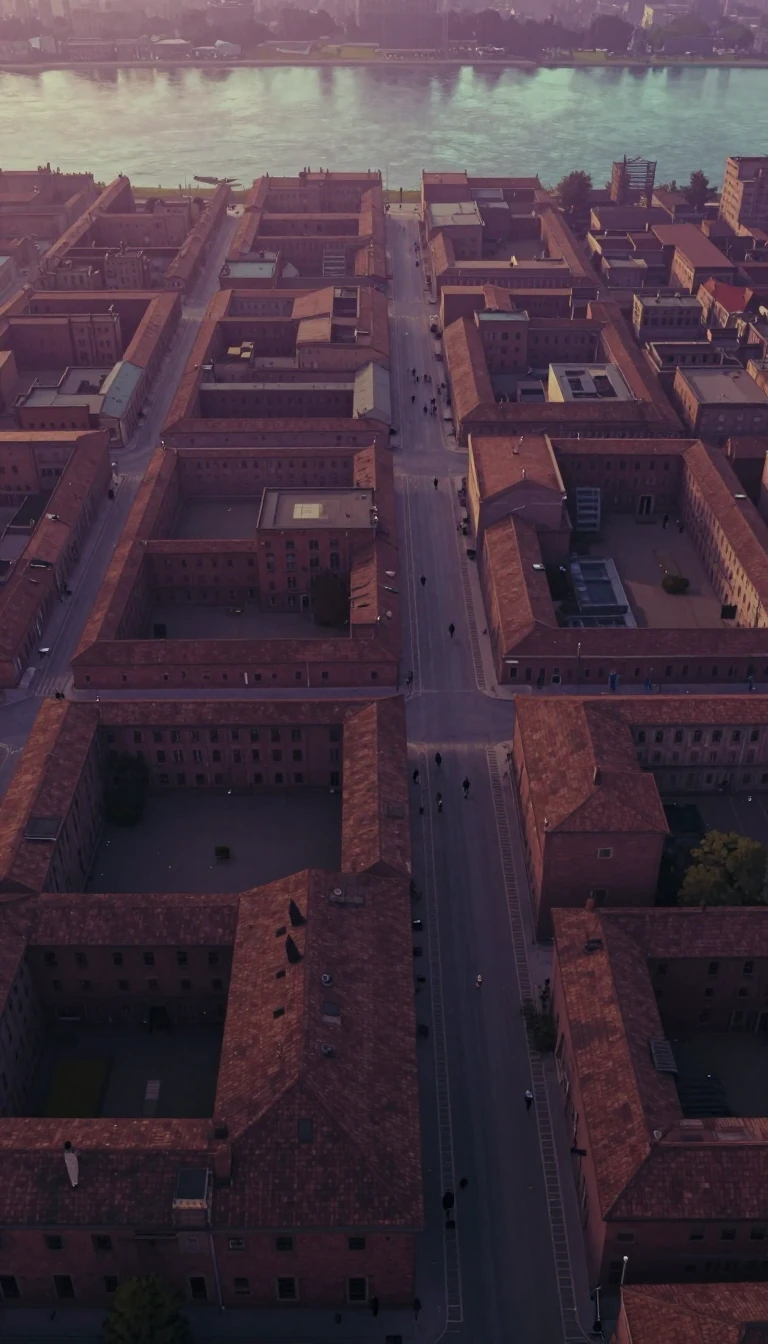
In short: For a decade, international media has pointed to vast, empty Chinese landscapes as evidence of economic instability. But as these massive developments begin to pulse with life, a new narrative is emerging: these aren't abandoned ruins, but ambitious urban projects built decades ahead of demand.
The term 'ghost city' is often a misnorith. While the label suggests abandoned places left to decay due to economic decline, many of China's underoccupied developments are actually newly constructed districts. Critics like author Wade Shepard argue the 'ghost city' narrative is a media invention that fails to account for the long-term nature of Chinese urban strategy, which often involves building infrastructure 15 to 20 years before full occupancy is expected.
The scale of this urban shift is immense. To reach a target urbanization rate of 75% by 2035, China may need to construct between 40 and 50 million new housing units. This rapid expansion is driven by a massive demographic transition; in 1978, only 18% of the population lived in cities, a figure that climbed to 64% by 2020. To manage this, the government often moves administrative offices and schools to new districts to catalyze private investment.
The reality on the ground is often more nuanced than 'empty.' While some areas like Dantu have remained mostly empty for a decade, others have undergone dramatic transformations. The Ordos Kangbashi district, famously labeled a ghost town in 2009 when it had 30,000 residents, saw its population surge to 153,000 by 2017. Similarly, the Zhengdong New Area, once described as desolate in 2013, reached a population of 1.3 million by 2023. Rather than total vacancy, many areas face declining Housing Utilization Efficiency (HUE), which fell from 84% in 2010 to 78% in 2020, indicating inefficient use rather than complete abandonment.
Opens the Intellect+ feed with this card first. Swipe up for the next one.
Sources
- Summary by Intellect · source: Underoccupied developments in China
To cite this card, link to https://intellectplus.co.uk/app/culture-underoccupied-developments-in-china.
How we source, check and correct cards: Editorial standards.
General information, not professional advice. Spotted an error? Flag the card or see corrections and complaints.
Intellect Plus is a visual educational discovery platform for exploring fascinating facts and ideas. Brain Food, Not Brain Rot. What is Intellect Plus?
Related
More in Education · More in Cultures · Latest · A–Z · All topics
